
 German (DE)
 English (US)
 Spanish (ES)
 French (FR)
 Hindi (IN)
 Italian (IT)
 Russian (RU)
 1 hour ago
Long before Jamie Ager entered politics, he was making a name for himself in a very different place: the meat counter of a grocery store in Boone, North Carolina.
It was the early 2000s, and Ager owned and operated Hickory Nut Gap, a regenerative farm near Asheville. Over the next 20 years, he helped build a regional food system that delivered healthier food to thousands of people, improved land stewardship and made farming a bit more profitable.
We’ve long believed that American politics would be a whole lot better if people like him – working folks who care for the land and their communities so well – were representing us.
And now he is. On Tuesday night, Ager won the House race for North Carolina’s 11th congressional district, resoundingly flipping a Republican seat that Donald Trump won handily in 2024.
He wasn’t alone. Democrats tore into Republicans’ rural vote margins, wiping out almost half of Trump’s colossal 40-point advantage in 2024. Of the 21 most rural-populated states that held elections for US Senate, Democrats won in 10 of them, including states like Kansas, Mississippi and Iowa, all long surrendered to the Republican juggernaut.
Rural voters still favor Republicans – but by a whole lot less. They swung 15 points toward Democratic US Senate candidates, compared to their 2024 presidential vote choice. (Nationwide, Republican turnout was down, so we don’t yet know what percentage of the swing was toward Democrats versus the couch).
Non-college voters swung hard as well. For the first time since 2012, a majority (51%) of non-college voters voted for a Democrat for the US House of Representatives, a stunning 17-point improvement over 2024.
The campaign platforms of winning (or leading) candidates in red and purple states demonstrate a clear pattern: concrete economic issues of working and rural people were central.
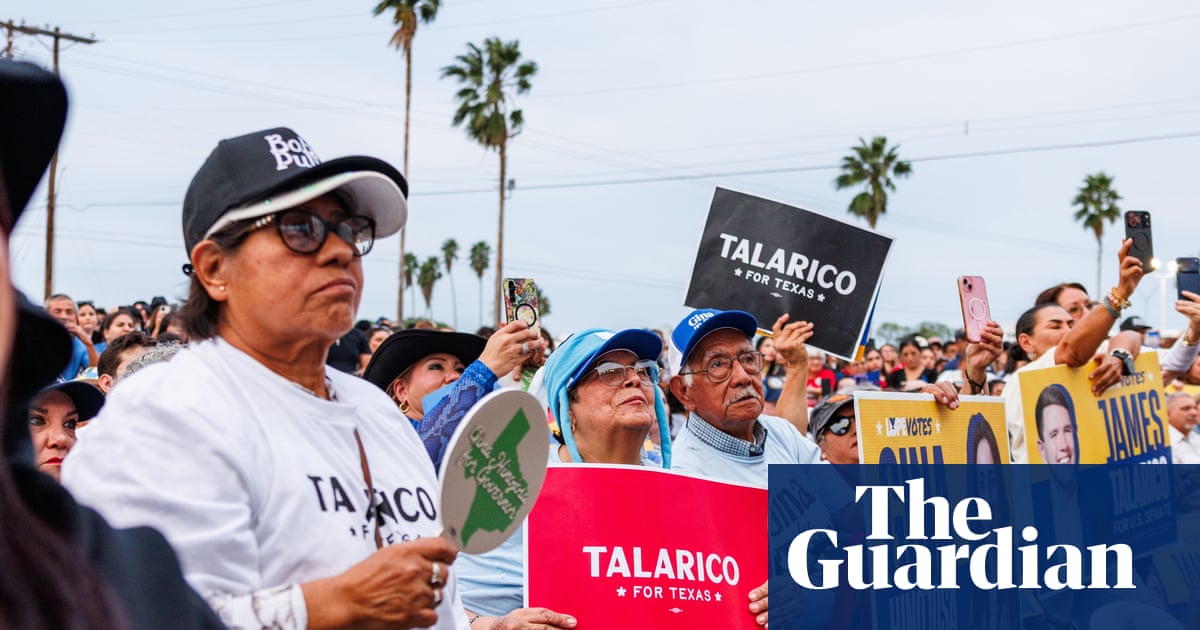
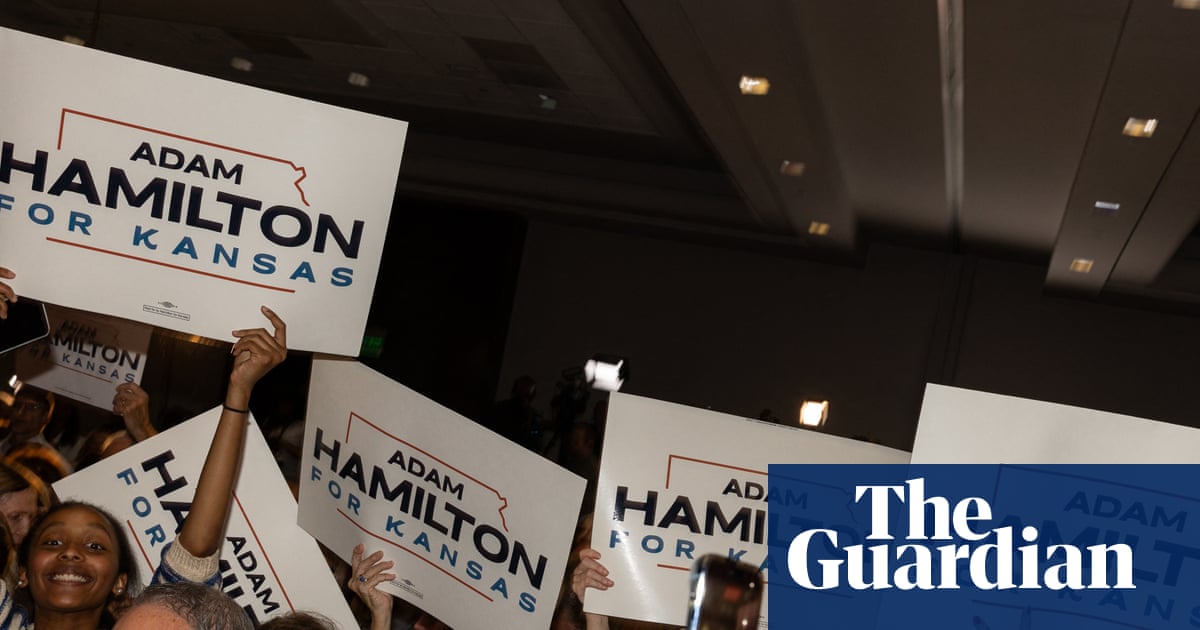
In Kansas, Adam Hamilton’s “prairie populism” railed against the crushing costs of farming inputs, something Iowa’s Josh Turek also stressed. In Mississippi, Scott Colom emphasized the loss of labor and delivery departments in rural communities. Texas’s Gina Hinojosa and James Talarico both spoke out for rural schools against defunding and voucher programs. Keisha Lance Bottoms spoke openly about the rural-urban divide and her own roots in the Georgia countryside.
In South Carolina, Annie Andrews focused on kitchen table economics, rural healthcare and farmland preservation. And Sam Forstag, the first Democrat Montana has sent to the US House since 1994, emphasized the protection of public lands that Montanans rely on for recreation and sustenance.
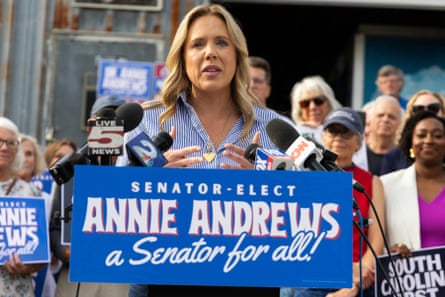
All nine of the Senate candidates who flipped (or are projected to flip) their seats focused unrelentingly on easing voters’ pocketbook pain, reining in corruption, putting the brakes on AI datacenters, and supporting workers, farmers, veterans and small businesses. With the exception of Troy Jackson and Andrews, you’d be hard pressed to find more than a glancing mention of a single culture war issue on any campaign website.
The same goes for the five Democrats who flipped governorships. Hinojosa, Texas’s governor-elect, told the New York Times: “I have no interest in fighting culture wars. There is just one fight [against tech giants], and we are so caught up fighting each other … over the ways we disagree about social issues … I’m not going to perpetuate that any more.”
That stance earned her an eight-point Democratic shift in Texas’s 17 rural counties.
It’s taken Democrats several painful cycles to learn the benefits of sitting down at the kitchen table and staying there, a strategy that will serve them well for the foreseeable future.
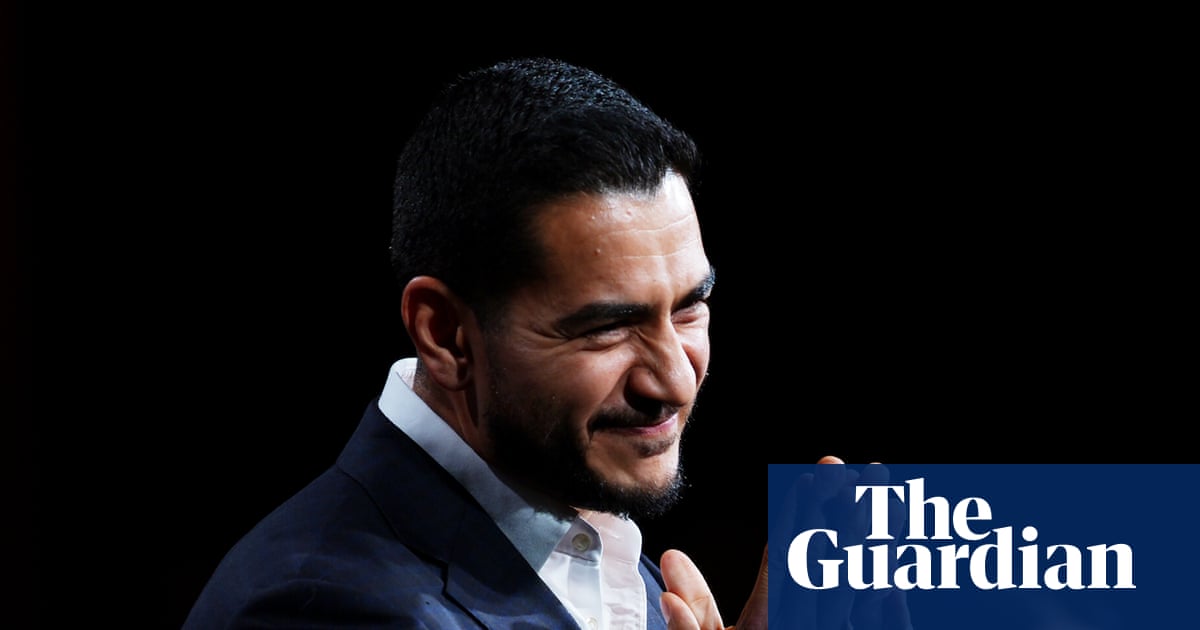
Having learned the hard way that ignoring rural and factory town voters is the road to ruin, House and Senate candidates flocked to small towns. Abdul El-Sayed showed up at barns, union halls and fairgrounds in Michigan’s Upper Peninsula. Colom visited almost every county in Mississippi, held 60 townhalls and even showed up at a small town Maga rally to talk to Trump supporters.
Rob Sand undertook a 100-stop tour across Iowa, including all of its rural counties. Ohio governor-elect Amy Acton met with local agricultural extension districts to advocate for rural broadband and 4-H. Jake Johnson, who flipped Minnesota’s first congressional district, had teams of volunteers fan out across the district for one-on-one conversations with voters, contributing to a six-point swing in their rural county.

For the first time ever, the Democratic Congressional Campaign Committee fielded a rural engagement program that included local organizing in rural districts, mobilizing volunteers and assisting with ad buys and mailers. Grassroots organizations, like Every State Blue, Dirt Road Organizing and many others fought for every vote, mobilizing the base while also reaching out to swing voters and disaffected Trump supporters.
The combined effect of all of these rural outreach efforts was gamechanging: When Democrats play ball in rural areas, they can win or, at least, begin to make significant inroads in those districts.
Democrats won big on Tuesday, most noticeably in rural regions and red states. The actions they take next will determine whether this is a short-lived repudiation of Trump or the start of a movement that finally, truly takes on elite power in service of working people everywhere.
As Corbin Trent, a media strategist and former communications director for congresswoman Alexandria Ocasio-Cortez, put it, the Democrats “have been given the keys by the American people. It’s time to drive the car to a better place.”

















Comments