
 German (DE)
 English (US)
 Spanish (ES)
 French (FR)
 Hindi (IN)
 Italian (IT)
 Russian (RU)
 1 hour ago
For months, Ryan Murphy has been discussing Glee. In July, he expressed his love for the musical comedy drama he created. In September, he said that he had finished writing a pilot for a potential reboot, adding that he had reached out to some of the cast about a reunion. And now it is official: Disney+ and Hulu have commissioned a Glee revival.
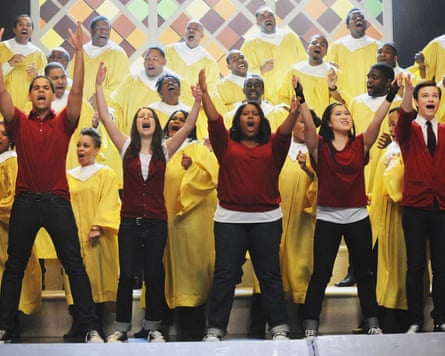
Glee, which ran for six seasons between 2009 and 2015, was a cultural juggernaut during its initial tenure. The show won six Emmys, four Golden Globes and made stars of actors including Lea Michele, Jonathan Groff, Chris Colfer, Darren Criss and the late Cory Monteith and Naya Rivera. Centred on the trials of New Directions, a scrappy show choir at the fictional McKinley high school in Ohio, the show became known for its peppy covers of show tunes, 80s power pop hits such as Journey’s Don’t Stop Believin’ (a Glee signature), 2010s chart-toppers and some truly baffling mashups (the amalgamation of Scissor Sisters’ Let’s Have a Kiki and Turkey Lurkey Time from Promises, Promises remains … a choice).
Nevertheless, these musical numbers worked: compilation albums regularly scaled the charts, and the cast even embarked on a US and UK tour, which was recorded and later released in cinemas as Glee: The 3D Concert Movie. Even today, the show’s soundtrack cast generates more than 4 million monthly listeners on Spotify.
It’s this longevity that is probably behind Glee’s return. On social media, videos featuring people recreating the show’s take on I Say a Little Prayer – complete with McKinley cheerleaders’ choreography – continue to rack up views, while over a million videos on TikTok are tagged with “#Glee”. Gen Z audiences, meanwhile, have revisited the show – albeit not always so favourably – thanks to streaming services, with recap podcasts and YouTube videos cropping up in response. “That show is interesting because it’s come back around,” Murphy said in July. “So many young people now watch it.”
Still, this extended shelf life is surprising given Glee’s politics: no show exemplified Obama-era optimism and liberal identity politics more. Murphy utilised Glee as a vehicle for representation, filling the show with characters from marginalised backgrounds. This was particularly apparent with the show’s numerous LGBTQ+ characters. Glee’s arrival on TV in the year after Proposition 8, which banned same-sex marriage in California, provided Murphy with an opportunity to shift public perception of LGBTQ+ people. While its pro-queer messaging was about as tactful as a neon green American Apparel “Legalize Gay” tank top, there’s little doubt that its emphasis on queer representation – even if said queer people were covering the novelty EDM monstrosity The Fox (What Does the Fox Say?) while wielding puppets – was significant.
Glee cleared the path for Lady Gaga’s Born This Way and Dan Savage’s “It Gets Better” campaign, ushering in an age of hopefulness about the trajectory of LGBTQ+ rights. While it would take until the summer of 2015 for same-sex marriage to be legalised in the US – an issue covered in Glee’s final season with the nuptials between queer couples Brittany and Santana, and Kurt and Blaine – the increasingly queernormative world of Glee presented a utopian future for LGBTQ+ people, one where those in high school were no longer bullied for being queer, young trans people could transition without interference and gays could live in harmony alongside their heterosexual counterparts. A post-Glee world suggested that, no matter your differences, everyone would be equal.
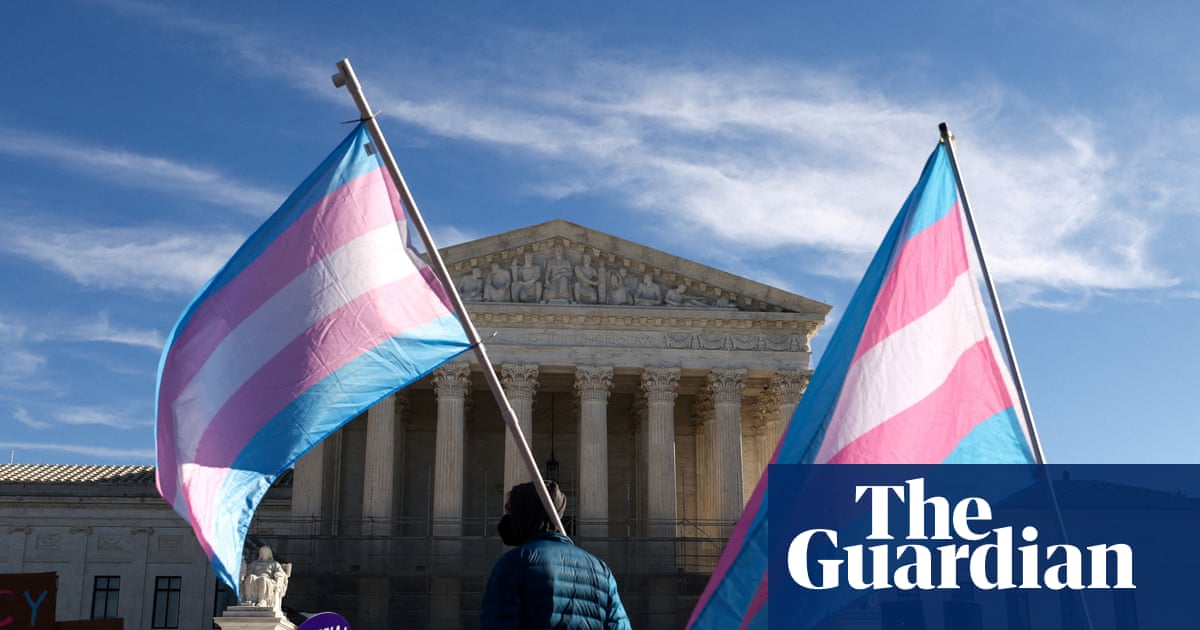
The last 11 years, however, have highlighted what a fantasy Murphy’s egalitarian vision for the future was. The pandemic, a second Trump presidency and vast economic disparity have stoked divisions and cemented inequalities. Anti-LGBTQ+ legislation, both in the US and the UK, has created a hostile environment for the queer community, particularly for trans people, with the Institute for Strategic Dialogue reporting an increase in anti-LGBTQ+ hate crimes in the US, the UK and Europe. In this context, the identity politics propagated by Glee 1.0, which prized individual visibility, regularly weaponised victimhood, and made a (literal) song and dance about liberalism to promote a vision of societal equality, feel dated. Despite any good intentions, it is these very values that, some hypothesise, have contributed to the so-called “war on wokeness”.
Since its conclusion, Glee’s legacy has also tarnished. Along with allegations of on-set bullying, racism and favouritism, a number of the cast have died: Monteith, who played football star Finn Hudson, died from an accidental overdose in 2013; Mark Salling, whose character Noah Puckerman was the school’s bad boy, was arrested for possession of child sexual abuse material in 2015 and later died by suicide; and Rivera drowned in 2020. The writing, too, has been criticised, particularly for how it handled its characters of colour, disability, bisexuality, and the dynamics between students and teachers.
It’s this environment in which Glee returns. Some former stars, including Michele, Heather Morris and Chord Overstreet, are already on board. But whether Murphy will be able to produce something that speaks to our current climate is debatable. The prolific showrunner’s allergy to subtlety, as evidenced by recent output The Shards, All’s Fair and his exploitative Monster anthology series, suggests not.
Instead, this reboot feels like a shallow and desperate attempt by a streaming service to reclaim a dwindling gen Z audience. Meanwhile, Murphy’s ham-fisted identity politics feel incongruous at a time where nuance, tact and self-awareness feel more necessary than ever. Personally, when it comes to the Glee revival, I’ve stopped believin’.












Comments