
 German (DE)
  English (US)
  Spanish (ES)
  French (FR)
  Hindi (IN)
  Italian (IT)
  Russian (RU)
  3 weeks ago
The campaign to keep Folarin Balogun on the field for the United States' World Cup run began just minutes after the team’s leading goal-scorer received a red card that would sideline him for the team’s next match.
Following Wednesday’s victory against Bosnia and Herzegovina, White House FIFA World Cup Task Force executive director Andrew Giuliani alerted President Donald Trump to Balogun’s punishment for a rash tackle — removal from the Bosnia match and a routine one-match suspension that would keep him out of a must-win encounter against Belgium.Trump and Giuliani had been speaking regularly about the World Cup for months. During the planning stages for the tournament, the president received frequent briefings on logistics, security and the U.S. team's prospects. Once the competition began in mid-June, those conversations accelerated to multiple times each week.
By Wednesday night, the White House had committed itself to taking action over Balogun’s red card, which some soccer analysts believed to be a harsh punishment for the infraction. Giuliani, Commerce Secretary Howard Lutnick and senior U.S. Soccer Federation officials — all of whom had watched the Bosnia match in person at Levi’s Stadium near San Francisco — began activating plans to challenge the referee’s on-field decision to issue a red card. Successful appeals of World Cup red cards are exceedingly rare.
That kicked off four days of coordinated lobbying, legal maneuvering and diplomacy that stretched from the Oval Office to FIFA’s headquarters in Zurich — and underscored how invested Trump's inner circle had become in the second World Cup hosted on U.S. soil and the fortune of the U.S. men's national team competing in it. POLITICO spoke to a half-dozen U.S. government and soccer officials who were either directly involved in or briefed on the week’s events.
On Sunday, a day before the U.S. was due to face Belgium with Balogun on the bench, FIFA’s Disciplinary Committee announced that it was suspending Balogun’s one-match suspension for a year. Trump thanked FIFA for “doing what was right and reversing a great injustice.” The Royal Belgian Football Association and European confederation UEFA, of which Belgium is a member, are considering taking action against the FIFA ruling, according to a high-ranking UEFA official granted anonymity to discuss ongoing deliberations.
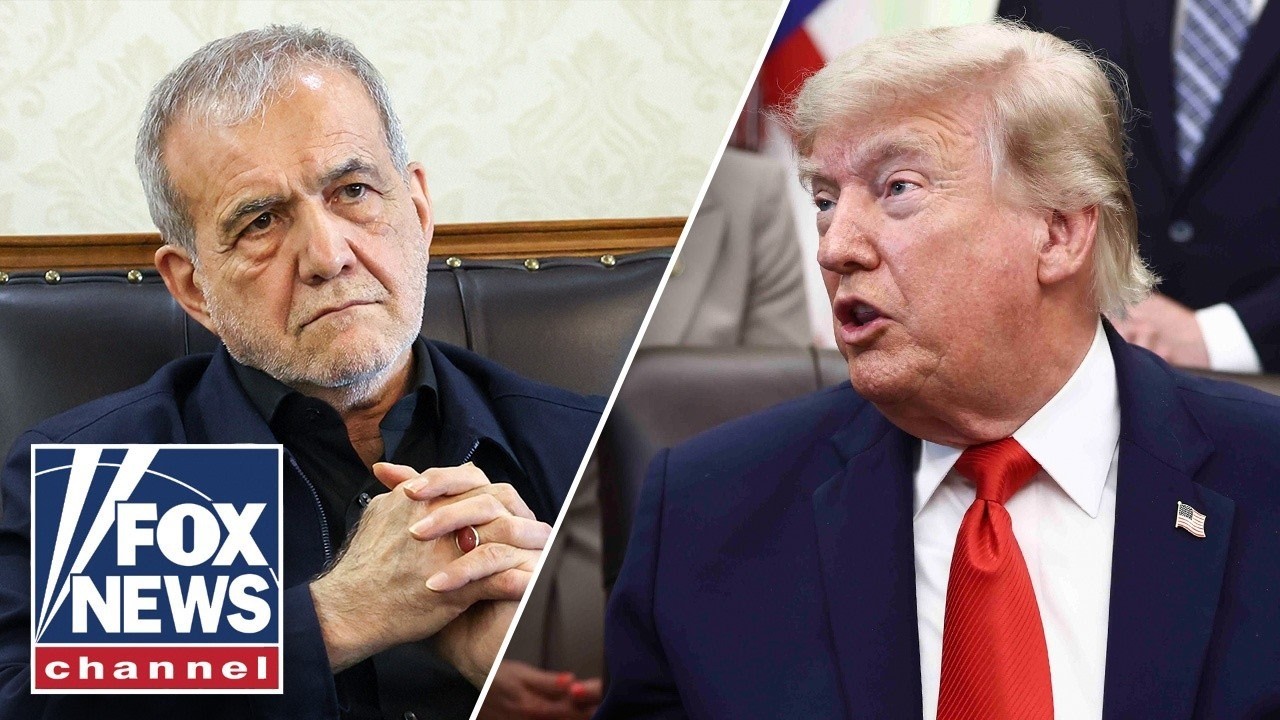
On Thursday, Trump placed a call to FIFA President Gianni Infantino. The two men had built a friendship over nearly eight years, with Infantino becoming a frequent visitor to the Oval Office during Trump's second term. They remained in contact even when events put U.S. government policy in conflict with FIFA’s objectives, according to people familiar with their relationship. That included when the Trump administration launched military strikes against Iran in February, jeopardizing the country’s ability to compete in the World Cup — a personal history that mattered when Trump dialed Infantino about the Balogun matter.
Trump asked about FIFA’s rules around the red card decision and the grounds for a suspension. Infantino listened carefully but made no promises about the outcome. FIFA declined to confirm any specific discussions but reiterated to POLITICO that the decision to suspend the one-match ban was made by an independent disciplinary committee.
As U.S. Soccer’s legal team formally prepared and submitted its appeal to FIFA, Giuliani and Lutnick also offered to make White House attorneys available to assist with legal analysis if needed, according to people involved in the discussions.
At the same time, Giuliani and Scott Goodwin — a hedge-fund manager who had helped to personally pay the salary of U.S. coach Mauricio Pochettino — zeroed in on the officiating history of referee Raphael Claus, who made the red card call on Wednesday. Articles examining previous controversies involving the Brazilian referee circulated among senior government officials as they evaluated every possible argument that could bolster the appeal, according to sources familiar with the discussions.
The matter quickly rose through FIFA’s legal and disciplinary channels. Emilio García, who oversees the legal affairs of soccer’s global governing body, became a central figure in advising Infantino on the available procedural options, according to people familiar with the process. García and other FIFA officials worked to determine whether the circumstances around Balogun’s tackle met the narrow standards that would allow the disciplinary decision to be revisited.By Sunday, the answer had arrived. FIFA announced that Balogun's one-match suspension would be suspended, clearing him to play in the United States' next match. Many, including European soccer officials, argued that the White House’s involvement violated FIFA’s policies about insulating sporting decisions from political influence.
“In order to safeguard the legitimate rights of all participating teams and to protect the fundamental principles of fair play in our sport, both at this FIFA World Cup and at future editions of the tournament, the RBFA is investigating all potential options,” the Belgian association said in a statement released after the ruling.
FIFA insists that the decision was an independent one made by its 18-person disciplinary committee, but it would not say whether the decision was decided through a vote. Unlike other decisions made by the committee, FIFA has not published a report on the decision.
Soon afterward, Trump and Infantino spoke again. They are expected to jointly award the World Cup trophy to the tournament’s winning team after the final match, on July 19.
Tim Röhn contributed to this article.










Comments