
 German (DE)
  English (US)
  Spanish (ES)
  French (FR)
  Hindi (IN)
  Italian (IT)
  Russian (RU)
 Iran warned Monday that an agreement to end the war with the United States was not imminent, after President Donald Trump raised and then lowered expectations that a deal may be close.
While Tehran acknowledged progress but played down the idea that an announcement could come soon, Secretary of State Marco Rubio said a deal was still possible Monday.
As a flurry of diplomacy unfolded from the Middle East to China, Iran’s top negotiators were in Qatar — an increasingly central player in the accelerating efforts to secure a deal that would end the three-month war and restore shipping through the crucial Strait of Hormuz trade route.
Trump was “not in a hurry” and won’t rush into “a bad deal,” Rubio told reporters early Monday on an official visit to New Delhi.
“We’re either going to have a good agreement or we’re going to have to deal with it another way,” Rubio said. “We’d prefer to have a good agreement.”
The U.S. has a “pretty solid thing on the table,” he added. “As I said, we thought we might have some news last night, maybe today.”
The U.S. will give diplomacy every chance to succeed “before we explore the alternatives,” he said, without elaborating.
Trump echoed that message, writing in a social media post hours later that the deal with Iran “will either be a great and meaningful one, or there will be no deal.”
Trump said Sunday that he would not “rush into a deal,” a step back from earlier public statements from the president and officials from both nations that indicated an announcement may be close.

Secretary of State Marco Rubio and his wife, Jeanette Rubio, at the Taj Mahal in Agra, India, on Monday. (Julia Demaree Nikhinson / POOL/AFP via Getty Images)
(Julia Demaree Nikhinson)

Rubio’s four-day trip includes talks with members from the Indo-Pacific alliance known as the Quad. (Julia Demaree Nikhinson / POOL/AFP via Getty Images)
(Julia Demaree Nikhinson)
Emerging details from the possible memorandum of understanding had drawn pushback, with senior Republican lawmakers warning it could be a “disastrous mistake.”
Trump hit back at this criticism early Monday, assailing what he termed “Dumocrats, RINOS, and Fools who know nothing about the potential deal.”
Iranian officials were cautious.
Iranian Foreign Affairs Ministry spokesman Esmail Baghaei told reporters the focus of the negotiations was on ending the war and “at this stage we are not discussing the details of the nuclear issue.”
“It’s true that we have reached conclusions on many issues under discussion, but no one can claim that this means an imminent agreement is about to be signed,” Baghaei said, according to comments carried by the hard-line Student News Network.
The agreement in the works does not detail how the Strait of Hormuz will be managed, he said, adding that it should be “a matter for its coastal states.”
Tehran’s effective closure of the key waterway has wreaked havoc on global energy markets, but oil prices fell more than $5 to two-week lows Monday as optimism about a deal grew. The average gas prices in the U.S. dropped slightly to $4.51.
Iran’s top negotiators, Parliament Speaker Mohammad Bagher Ghalibaf and Foreign Minister Abbas Araghchi, arrived in the Qatari capital, Doha, on Monday as part of the ongoing negotiations, a diplomat briefed on the visit told NBC News.
In recent days, Qatar has taken an increasingly active role alongside Pakistan in mediating between the U.S. and Iran.

Iranians gather in Tehran on Sunday to commemorate those killed in the war launched by the U.S. and Israel and in previous conflicts. (Majid Saeedi / Getty Images)
(Majid Saeedi)
The framework of a potential agreement, according to a senior administration official, would give the two sides 60 days to reach a full peace deal that the official said “will deliver on President Trump’s priorities and ensure the United States and the region are safer and more prosperous going forward.”
The agreement would commit Iran to not developing a nuclear weapon, the senior administration official said, and commit it to giving up the “nuclear dust” — Trump’s term for enriched uranium — though it would leave details on how this may happen to talks over the following 60 days.
The official said the framework would also get the Strait of Hormuz “de-mined and back open for business.”

Vessels in the Strait of Hormuz are visible near the beach of Bandar Abbas, Iran, on Friday. (Majid-Asgaripour / WANA via Reuters)
(Majid-Asgaripour)
In exchange, the U.S. would gradually lift its naval blockade and offer Iran long-sought financial relief for its ailing economy, though the official said this would only happen once Tehran followed through on its side of the agreement.
If the deal does go into effect soon, the 60-day window effectively pushes the next ceasefire deadline to late July or early August.
That would mean dragging out the war even closer to the November midterm elections, and certainly in the middle of campaign season for some Republicans who want Trump to wrap up the conflict as it drags down the party’s poll numbers.
Pakistani Prime Minister Shehbaz Sharif, a key mediator in talks, was in Beijing on Monday to meet with Chinese President Xi Jinping. There have been growing calls for China to apply more pressure on Iran to end the war, given its significant influence with Tehran.
A key priority for Iran has been ending Israeli attacks on Lebanon, where the U.S. ally says it is targeting the Tehran-backed Hezbollah militant group but has also killed thousands of people and driven a million from their homes.
Baghaei said Monday that Lebanon would be included in any memorandum of understanding.
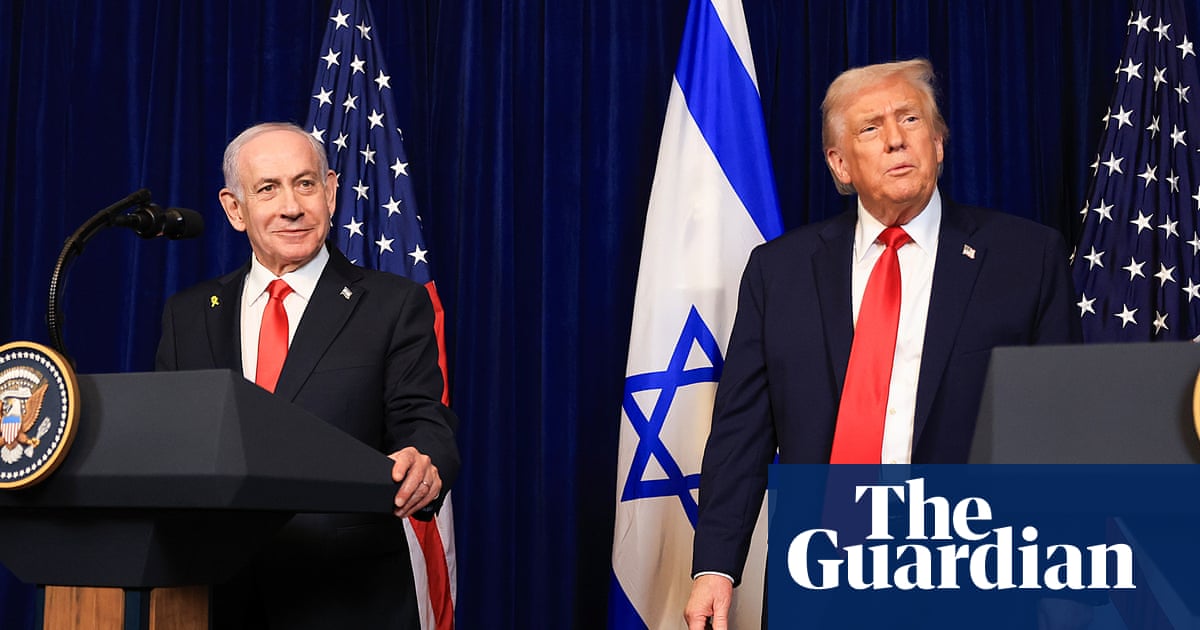
Israeli Prime Minister Benjamin Netanyahu said Sunday that he and Trump agree that “any final agreement with Iran must eliminate the nuclear danger” and that “Trump also reaffirmed Israel’s right to defend itself against threats on every front, including Lebanon.”
The pair discussed the talks in a call Saturday night, amid growing reports of divisions between the allies.
This article was originally published on NBCNews.com









Comments