
 German (DE)
 English (US)
 Spanish (ES)
 French (FR)
 Hindi (IN)
 Italian (IT)
 Russian (RU)
 1 hour ago
For years the black T-shirt was consigned to the clothing category of plain basics. A hidden layer rather than the main event. But modern politics has pushed it to the frontlines as a sartorial shortcut to signal power.
The progressive Democrat Abdul El-Sayed, who this week became the first Muslim elected to the US Senate in history, made a tight black T-shirt his signature look throughout his year-long campaign trail. Styling it with jeans and friendship bracelets made by his children, El-Sayed described his attire as “minimal look, maximal politics”.
In sharp contrast to the Maga aesthetic of boxy suits, El-Sayed’s T-shirt softens the lines between politics and the public. It’s anti-establishment without being alienating.
“Black radiates authority, seriousness, a certain no-nonsense masculinity,” says Johnny Davis, the luxury director of Esquire magazine.
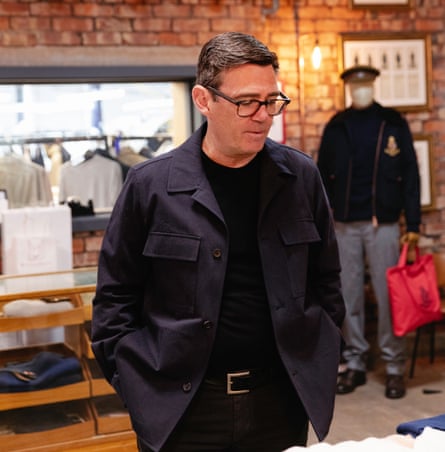
A black T-shirt has also become a key part of Andy Burnham’s “man of the people” look – so much so that Kemi Badenoch once described the prime minister as a “pair of eyelashes and a black T-shirt”.
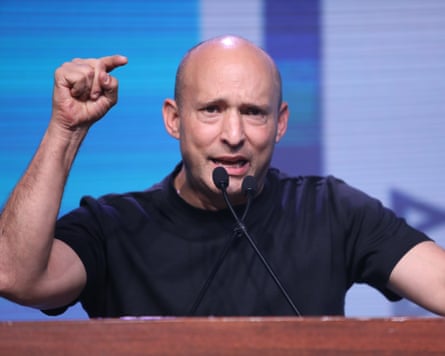
In July, the former Israeli prime minister Naftali Bennett swapped his usual smart shirts and suits for a black T-shirt and jeans as he attempted to make a political comeback. Bennett’s wardrobe shift was a deliberate decision by his campaign managers to make him appear “younger, more accessible and energetic”, according to reports.
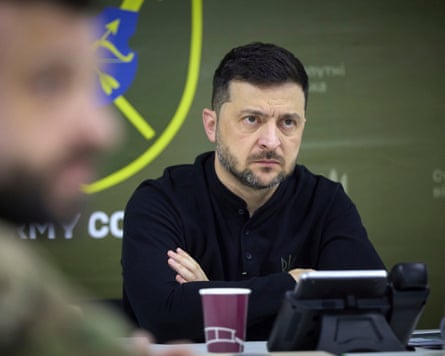
Ukraine’s president, Volodymyr Zelenskyy, meanwhile, has turned a black T-shirt into a symbol of patriotism and solidarity.
For Davis, a black T-shirt brings to mind the Hollywood star Jason Statham, Keanu Reeves’s hitman character John Wick, and the Black Flag punk singer Henry Rollins. “It suggests someone who is going to ‘get the job done’, whatever it takes,” he says.
When asked in an interview why he wore a black T-shirt, El-Sayed said it was “the ideal shirt for somebody who has got to be in a bunch of different kinds of spaces and places all day, every day”.
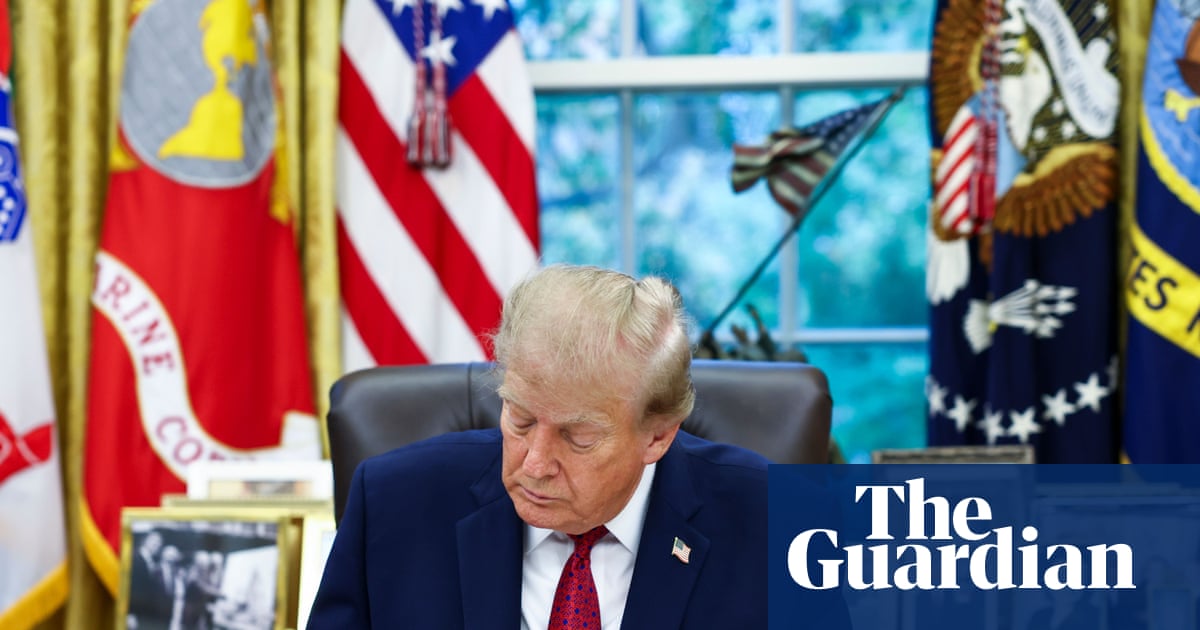
Contrasting El-Sayed’s style with Trump’s, Davis says: “One represents an almost exaggerated version of traditional corporate power dressing; the other is trying to establish a completely different idea of authority. It’s a line in the sand.”
Previously, when politicians including Barack Obama needed to visually convey they meant business, they took their jackets off and rolled up their shirt sleeves. In May Keir Starmer drew comparisons to John Major when, during a make-or-break speech after a dire set of election results, he appeared on stage without a jacket, the cuffs of his shirt deliberately folded back.
Davis says a black T-shirt feels like the next evolution of that, but this time around “you don’t even need to roll your sleeves up”.
El-Sayed’s T-shirt features a V-neck collar and is tightly fitted, highlighting what the BBC described as his “jacked” physique. Echoing an action hero aesthetic, David Hellqvist, a men’s editor and the author of Blue-Collar Modernism, says El-Sayed’s choice of a form-fitting T-shirt is a reflection of his confidence. “He is very comfortable in his own skin and showing off his body.” Hellqvist says this echoes his political approach. “He doesn’t need to tell people he is going to roll up his sleeves and start fixing problems. They can already see he is doing it.”
So why a black T-shirt rather than white? Hellqvist says black is the colour of “intent and purpose”. Davis says white has too many James Dean and Marlon Brando associations. “It’s a bit 1950s sex symbol and too try-hard.” The repeated use of a black T-shirt also helped to make El-Sayed feel familiar, whether the viewer was watching him on a TV screen or meeting him at a rally.
Davis compares it to Steve Jobs and his uniform look of a black polo neck and jeans. “It’s personal branding disguised as not caring about clothes, which is quite a trick,” Davis says. “It suggests you’re too busy doing something important to waste time thinking about what to wear. Once you establish a signature look, you become instantly recognisable.”










Comments