
 German (DE)
  English (US)
  Spanish (ES)
  French (FR)
  Hindi (IN)
  Italian (IT)
  Russian (RU)
 Democrats in the Senate introduced a bill Thursday that would raise the federal minimum wage to $25 per hour in five years, drawing a contrast with Republicans at a time when many workers say they're struggling to make ends meet.
The legislation is identical to a bill House Democrats put forward earlier this year, and shows a growing faction of the party is coalescing around $25 as their goal for a wage floor. The federal minimum wage is currently just $7.25 per hour and hasn't moved in 17 years.
Politics: Video Of JD Vance's Painfully Awkward Moment With Wife Usha Is Making People Cringe
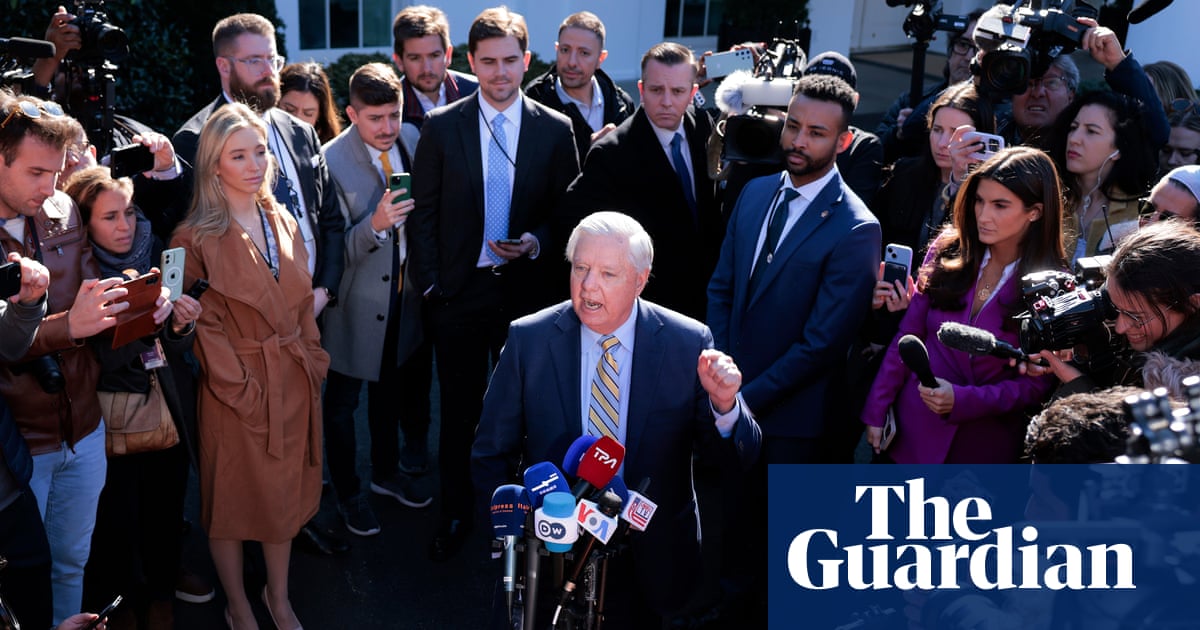
"There is no reason that somebody should go to work full time in this country and not be able to pay their bills," Sen. Chris Murphy, one of the bill's sponsors, said at a press conference outside the U.S. Capitol on Thursday. "It is time that everybody that works makes a dignified wage."
The bill has no chance of becoming a law while Republicans control either chamber of Congress and President Donald Trump resides in the White House. But it's part of a broader push by Democrats to show they're attuned to the needs of working people heading into the midterm elections, with the economy and cost of living top of mind for many voters.
In addition to the minimum wage boost, progressives in Congress are also pushing for increasing overtime pay, capping childcare costs, banning surveillance pricing by retailers and establishing a government-run generic drug program. Those proposals are part of an "affordability" agenda meant to squeeze Trump and Republicans at a time when his war in Iran has pushed inflation higher and caused gasoline prices to spike.
Sixty percent of respondents in a recent NPR/PBS/Marist poll said they disapprove of Trump's handling of the economy. Only a third said they approve, a lower share than former President Joe Biden ever received.
"We all know that Donald Trump has inflated all of the costs of living in this country," said Richard Blumenthal (D-Conn.), another bill sponsor. "People cannot make ends meet on less than $25 an hour."
Like this article? Keep independent journalism alive. Support HuffPost.
Sen. Chris Murphy, a Democrat from Connecticut, is one of the lead sponsors of the minimum wage bill. Bloomberg via Getty Images
The idea of hiking the federal minimum wage is very popular, though most Republicans have resisted doing so and argued it would kill jobs. A growing number of states have increased their own wage floors through legislation and voter referendums in lieu of federal action, but the $7.25 rate still prevails in 16 states that don't mandate a higher one.
Democrats spent years pushing for a $15 minimum wage ― the goal of the Fight for $15 labor campaign in fast food ― but they have moved their sights higher as inflation has eaten into workers' purchasing power.
Politics: GOP Senator Calls Out Trump To His Face In Testy Capitol Hill Meeting
The current proposal would provide a long phase-in period and give smaller employers more leeway. Big companies with 500 or more workers or $1 billion in gross annual revenue would need to pay at least $25 by 2031. Smaller employers wouldn't need to reach that until 2038.
After the phase-in, the minimum wage would be pegged to two-thirds of the national median hourly pay so that it would rise over time.
The bill would also eliminate the "tipped" minimum wage for restaurant servers and other workers who earn gratuities.
A $25 minimum wage would have a huge impact on workers around the country. According to the Economic Policy Institute's wage tracker, an estimated 66 million workers earn less than $25 per hour, which is the equivalent of a salary around $50,000.














Comments