
 German (DE)
  English (US)
  Spanish (ES)
  French (FR)
  Hindi (IN)
  Italian (IT)
  Russian (RU)
  2 weeks ago
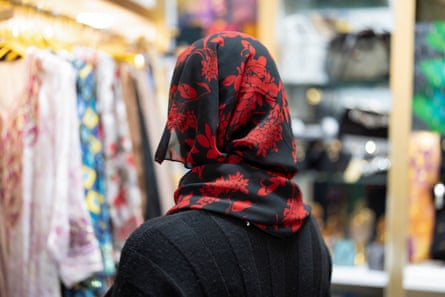
On Tuesday morning, just a few stalls were open among the dozens that normally sell food, rugs, clothing and jewelry at Karmel mall, a Somali community hub in Minneapolis. Longtime Minnesotans said they had never seen the mall as quiet as it has been in recent days, almost jarringly still.
The bustle was replaced by unease and fear over the Trump administration’s menace toward Somalis and increased immigration agents in the city, tasked with targeting Somalis for deportation.
On a typical weekday morning, people would be shopping, having breakfast, aunties would be selling rugs or skirts or scarves, said Zaynab Mohamed, a Minnesota state senator who is Somali American. Now, people are staying home if they can afford to. “People don’t want to deal with ICE agents coming into their businesses and violating their rights,” she said.
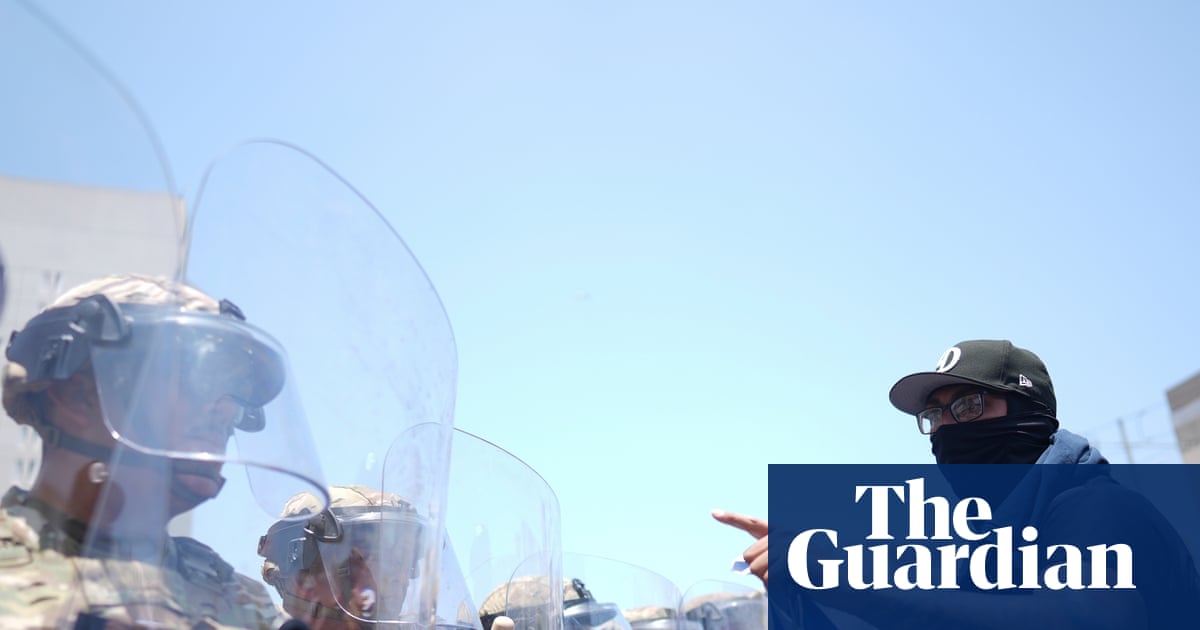
Outside the mall, volunteer block watchers monitored for signs of ICE activity, ready to alert text chains and start filming if agents come for any of their neighbors. Signs on the entrances to the mall warn that ICE can’t enter without a court order.
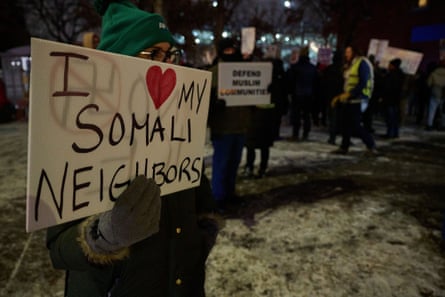
“If we see any suspicious activity, or specifically attempted abductions, we record, alert the proper channels and blow our whistles to disrupt that, which I did have to do last Thursday,” said Miri Villerius, who had been standing watch for hours on Tuesday in the winter cold.
In the week-plus since Trump launched an aggressive, xenophobic attack on the Somali community, local Somali residents have adjusted how they’re living – staying home, carrying documents if they’re out, and skipping appointments.
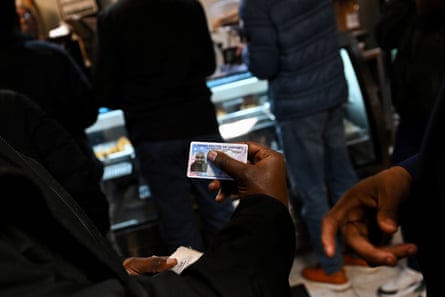
Abdullahi Abdulle, a US military veteran and citizen who is of Somali descent, said there is a very real fear that people will be stopped simply because they look Somali. He is carrying multiple pictures of his passport.
“At this point, Somalis are that scapegoat – they don’t look like us, they have different faith, let’s make them the dangerous boogeyman,” he said. “That is what the intention is here.”
Trump didn’t differentiate between citizens and noncitizens when he called the entire Somali community “garbage” and said he wanted them out of the country, then surged immigration agents in the state to seek them out for deportations. About 84,000 people of Somali descent live in Minnesota, and most of them are US citizens or legal residents.
Perhaps because of the large percentage of US citizens and legal residents, the operation has been “both scattered and even chaotic,” Mayor Jacob Frey said. “It’s not like there’s a factory or meat packing plant where they’re able to detain a large number of Somali immigrants.” The Department of Homeland Security claimed on 4 December that it had arrested “some of the worst of the worst criminal illegal aliens”.
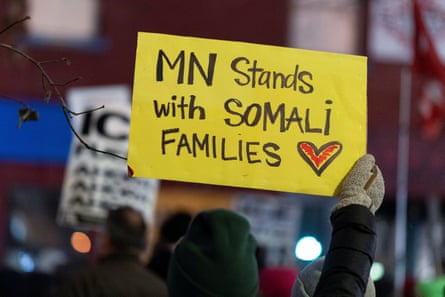
Local leaders, largely Democrats, have spoken up for Somalis and affirmed they are welcome here, pushing back on the narratives about recent fraud cases that involved Somali perpetrators and saying they aren’t representative of the whole.
“Obviously, Minneapolis loves Minneapolis,” Frey told the Guardian. “We love our family members, we love our neighbors, and we stand by them. And I think that’s the response right now that you’re seeing.”
Mohamed implored her colleagues, including Republicans, to speak out in defense of Somalis. Only one Republican state lawmaker has, state senator Jim Abeler, who pushed back on Trump calling them garbage.
“The Somalis I know, and I know many, are nothing of the sort,” Abeler said. “They are businesspeople, drivers, hourly workers supporting their families, investors, nurses, students and clerics. No man, woman or child is more or less in the eyes of our Lord God most high, and none of them are trash.”
The department of Homeland Security crackdown, dubbed Operation Metro Surge, came after rightwing media ramped up coverage of ongoing fraud cases in social services in Minnesota. Many of those charged are of Somali descent. But Trump’s aggression isn’t about fraud, Mohamed said.
When members of other communities commit crimes, they are treated as individuals, not as representatives of the whole community. Trump made clear he was talking about all Somalis – including trying to send US citizens back, she said.
“The fraud that happened in our state hurts taxpayers across the board regardless of their race, and Somali people are victims of the fraud as well,” she said.
Stories of US citizens being detained – including a woman that local media reported was detained for more than 24 hours until her husband could bring her passport card – have circulated among the community.
“You only hear about that in dictatorships and apartheid states and things like that,” said Amiin Harun, an immigration attorney in Minneapolis, “But in the United States, for people to be carrying their passports on them to show their status? Scary.”
Friday prayers, typically a time for large gatherings, have been “half-empty”, Harun said. It’s hard to advise people to stay home – they have to work, support themselves and their families, live their lives, he said. Still, many are “just scared to come out of their houses and go to any public places”, he said.
Munira Maalimisaq, a nurse practitioner who founded Inspire Change Clinic in Minneapolis, said her patients have been canceling appointments because of ICE presence in the area. She started a rapid response program where the medical community can assist people by providing telehealth appointments, home visits or rides to clinics.
Some of those who were avoiding the clinic include a man with a pressure ulcer who had a fever and was vomiting, a woman who fell and broke her ankle, and an elderly woman who had lived in Minnesota for decades who feared her son would be picked up if he drove her to the clinic.








Comments