
 German (DE)
  English (US)
  Spanish (ES)
  French (FR)
  Hindi (IN)
  Italian (IT)
  Russian (RU)
 By Ann Saphir and Howard Schneider
Sept 4 (Reuters) - Between a strong jobs report Friday that adds to the case for U.S. interest-rate hikes and a novel threat from President Donald Trump to stop trade with some countries unless the Federal Reserve cuts rates, Fed Chairman Kevin Warsh faces a squeeze: risk presidential ire by tightening monetary policy at the central bank's meeting in two weeks, or skip it and risk a hit to credibility after his own recent hawkish rhetoric.
The decision, ahead of November elections in which Trump's Republican party is defending slim majorities in Congress, will likely hinge on whether next week's inflation reports show price pressures continue a recent cooling trend, or stay too hot for comfort.
Inflation has run above the Fed's 2% target for 5-1/2 years, and last Friday Warsh said he needs confidence it is moving back to target "clearly and at sufficient speed. Otherwise, we have work to do," a message widely seen as cracking the door open to a rate hike at the Fed's September 15 to 16 meeting.
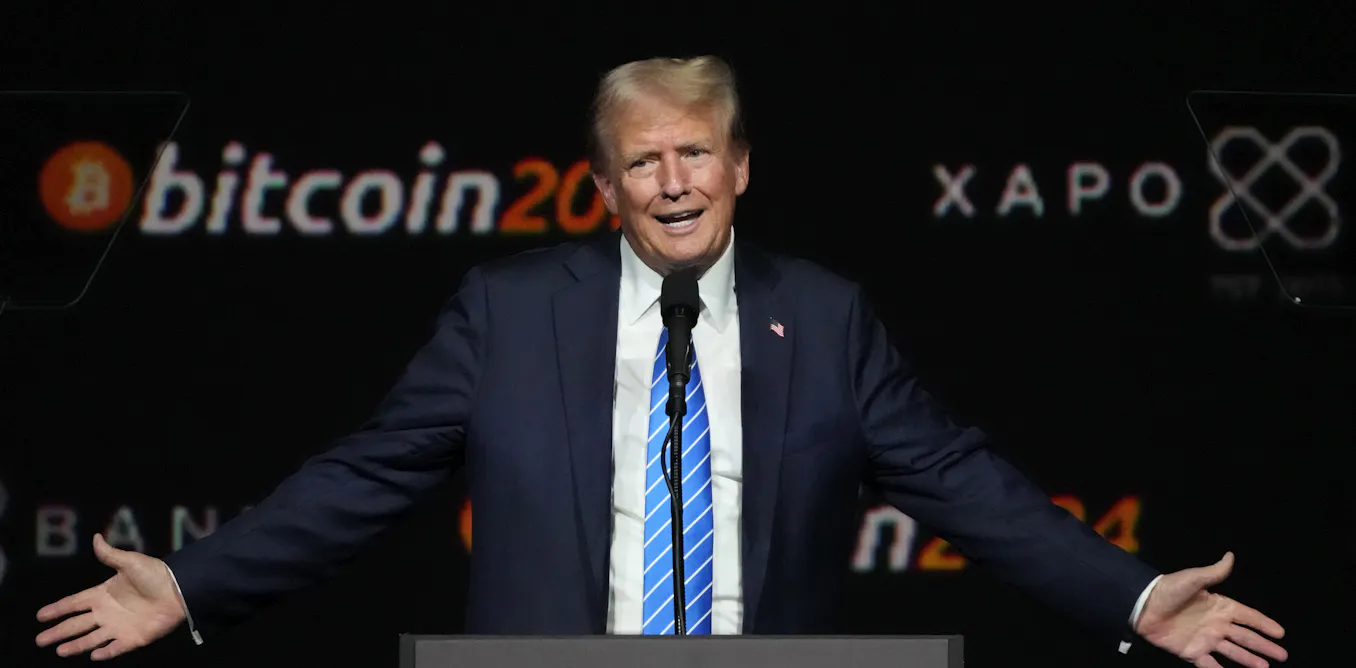
"The Fed Board, with its great new leader, must get smart - BE PATRIOTS for a change," Trump said in a Truth Social post Friday shortly after the Bureau of Labor Statistics reported that employers added nearly three times as many jobs in August as economists had expected.
"High interest rates put the U.S.A. at a very unfair disadvantage, and I won't allow that to happen!" said Trump, who has repeatedly demanded that the Fed cut rates but has refrained from excoriating Warsh personally for not doing so, as he did with Warsh's predecessor Jerome Powell.
"A STRONG COUNTRY MEANS A LOWER INTEREST RATE - IT'S A BETTER CREDIT…Very simple!" he said in language running counter to standard economic thinking, where a healthy economy coupled with high inflation should mean tighter, not looser, monetary policy.
On Friday, he aimed his fire at U.S. trading partners, on which he has levied sharply higher tariffs that have contributed to price pressures more recently exacerbated by an escalation in the U.S.-Iran conflict and a boom in AI-related investment demand. Both the latter have pushed up longer-term U.S. Treasury yields, making government borrowing more expensive and exacerbating an affordability crisis for U.S. households that is eroding Trump's political support.
"We should have the LOWEST RATE of any country in the World ... LOWER THE RATE OR I'LL STOP TRADING WITH COUNTRIES WITH WHICH WE HAVE A DEFICIT," Trump said. Such a trade embargo would be the type of action that could send the global economy into a slump and cause a recession in the U.S.









Comments