
 German (DE)
  English (US)
  Spanish (ES)
  French (FR)
  Hindi (IN)
  Italian (IT)
  Russian (RU)
 President Trump is facing criticism from inside his own party over reports of an emerging deal with Iran.
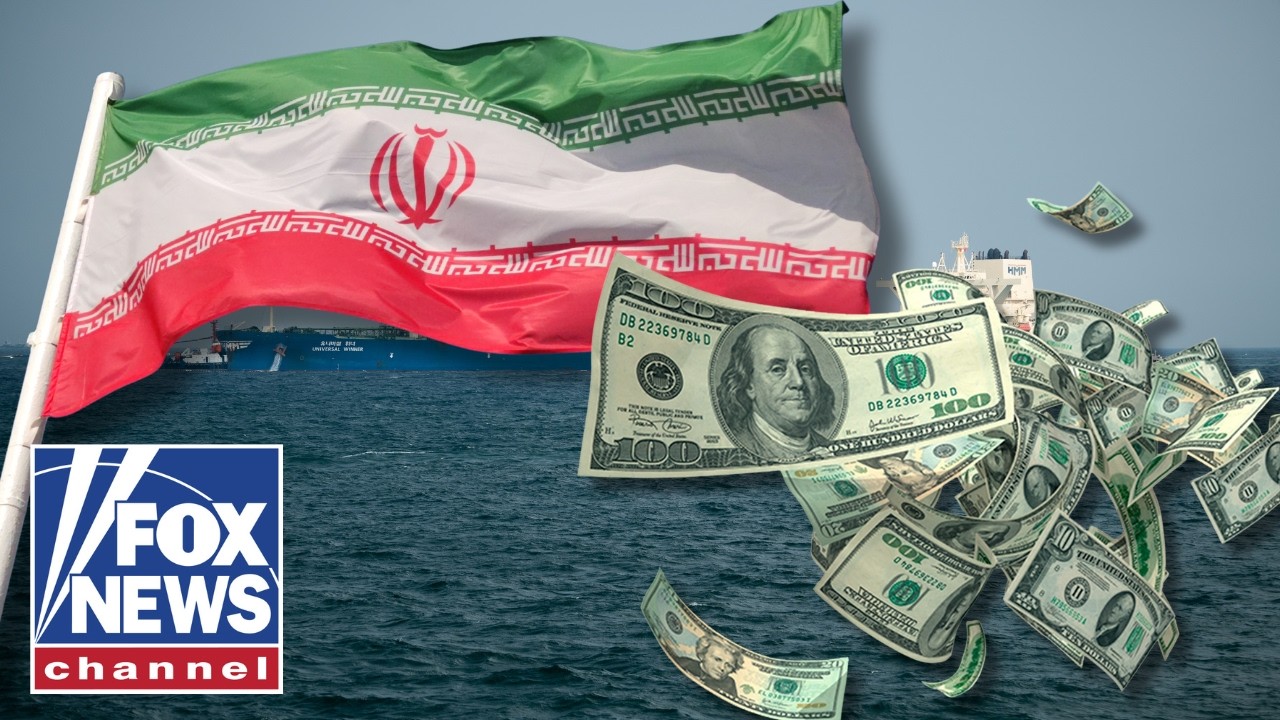
The framework, as it has been described in reports this weekend, would set up a 60-day cease-fire while talks on Iran's nuclear program continue. It would not immediately require Tehran to give up the nuclear material already inside the country, a point that has drawn pushback from some Republicans.
Republican Sen. Ted Cruz of Texas said Saturday on X that he was "deeply concerned" about what he was hearing from inside the administration.
"If the result of all that is to be an Iranian regime—still run by Islamists who chant ‘death to America’—now receiving billions of dollars, being able to enrich uranium & develop nuclear weapons, and having effective control over the Strait of Hormuz, then that outcome would be a disastrous mistake." Cruz wrote. "The details are still coming out — and I pray the early reports are wrong — but the fact that Biden's Rob Malley is praising the deal is not encouraging." Malley served as former President Joe Biden's special envoy for Iran, and was a key architect of the Obama-era 2015 nuclear agreement that Trump withdrew from in 2018.
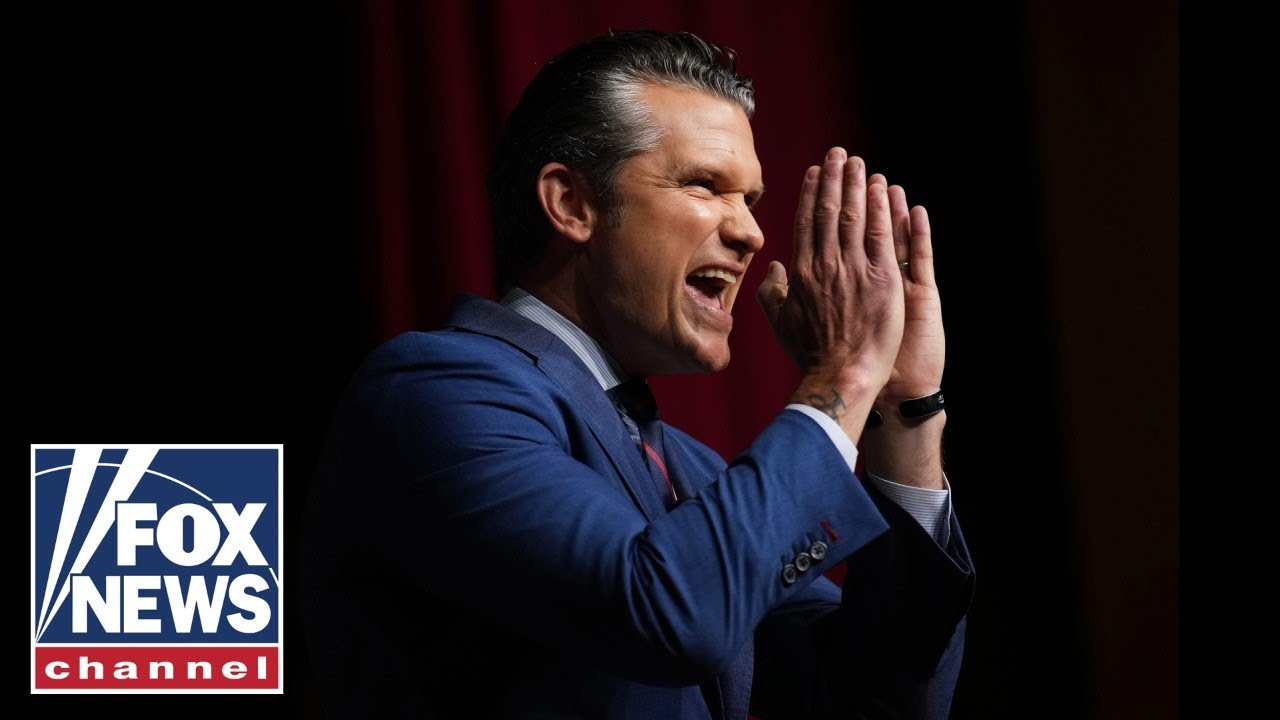
Republican Sen. Thom Tillis of North Carolina said Sunday on CNN that he would not support the deal as he understands it, and called out Defense Secretary Pete Hegseth by name.
"We were told about 11 weeks ago by Hegseth and the Department of Defense that they had obliterated Iran's defenses, and it was just a matter of time before we had the nuclear material," Tillis said. "Now we're talking about a posture where we may accept the nuclear material remaining in Iran. How does that make sense at all?"
Tillis also questioned the structure of the 60-day cease-fire and the expectation that Iran would clear the Strait of Hormuz before final terms are set.
"There are a lot of things that need to be explained," Tillis said. "Any agreement with Iran that isn't subject to ratification by Congress is going to be doomed to fail, just like the agreement we're trying to replace, which was the failed agreement by Obama."
Sens. Lindsey Graham of South Carolina and Roger Wicker of Mississippi also criticized the reported terms over the weekend.
"The rumored 60-day ceasefire — with the belief that Iran will ever engage in good faith — would be a disaster," Wicker wrote on X, warning that "everything accomplished by Operation Epic Fury" — the joint U.S.-Israeli military campaign against Iran — "would be for naught."
Sen. Lindsey Graham, a longtime Trump ally, warned that an early deal could shift the balance of power in the Middle East in Iran's favor and become a "nightmare for Israel."
"It makes one wonder why the war started to begin with if these perceptions are accurate," the South Carolina Republican wrote on X.
In a follow-up post Sunday, Graham softened his stance and pivoted to praise, tying his support to a major expansion of the Abraham Accords. If Saudi Arabia, Qatar and Pakistan were to join the pact as part of the deal, he wrote, it would be "beyond transformative for the region and world" and "a brilliant move by President Trump."
Former Secretary of State Mike Pompeo, who served under Trump during his first term, also criticized the emerging deal Saturday, suggesting it resembled the Obama-era agreement. “Not remotely America First,” he said. White House Communications Director Stephen Cheung pushed back, telling Pompeo to "shut his stupid mouth.”
Trump responded Sunday morning on Truth Social, without naming any of his critics. He rejected comparisons to the 2015 Iran nuclear deal, calling that agreement "one of the worst deals ever made" and "a direct path to Iran developing a Nuclear Weapon."
"Not so with the transaction currently being negotiated with Iran by the Trump Administration — THE EXACT OPPOSITE, in fact!" Trump wrote. "The negotiations are proceeding in an orderly and constructive manner, and I have informed my representatives not to rush into a deal in that time is on our side."
Trump said the U.S. blockade of the Strait of Hormuz would remain in place "until an agreement is reached, certified, and signed," and floated the possibility that Iran could join the Abraham Accords. The Abraham Accords are a series of Trump-brokered diplomatic agreements first signed in 2020 under which several Arab and Muslim-majority countries — including the United Arab Emirates, Bahrain, Morocco and Sudan — formally normalized relations with Israel. Iran, a longtime adversary of Israel, would represent a dramatic addition to the pact.
Secretary of State Marco Rubio pushed back on the criticism Sunday, defending the administration's negotiating posture. "The idea that somehow this president — given everything he's already proven he's willing to do — is gonna somehow agree to a deal that ultimately winds up putting Iran in a stronger position when it comes to nuclear ambitions is absurd," Rubio said. "That's just not gonna happen."










Comments