
 German (DE)
 English (US)
 Spanish (ES)
 French (FR)
 Hindi (IN)
 Italian (IT)
 Russian (RU)
 2 hours ago
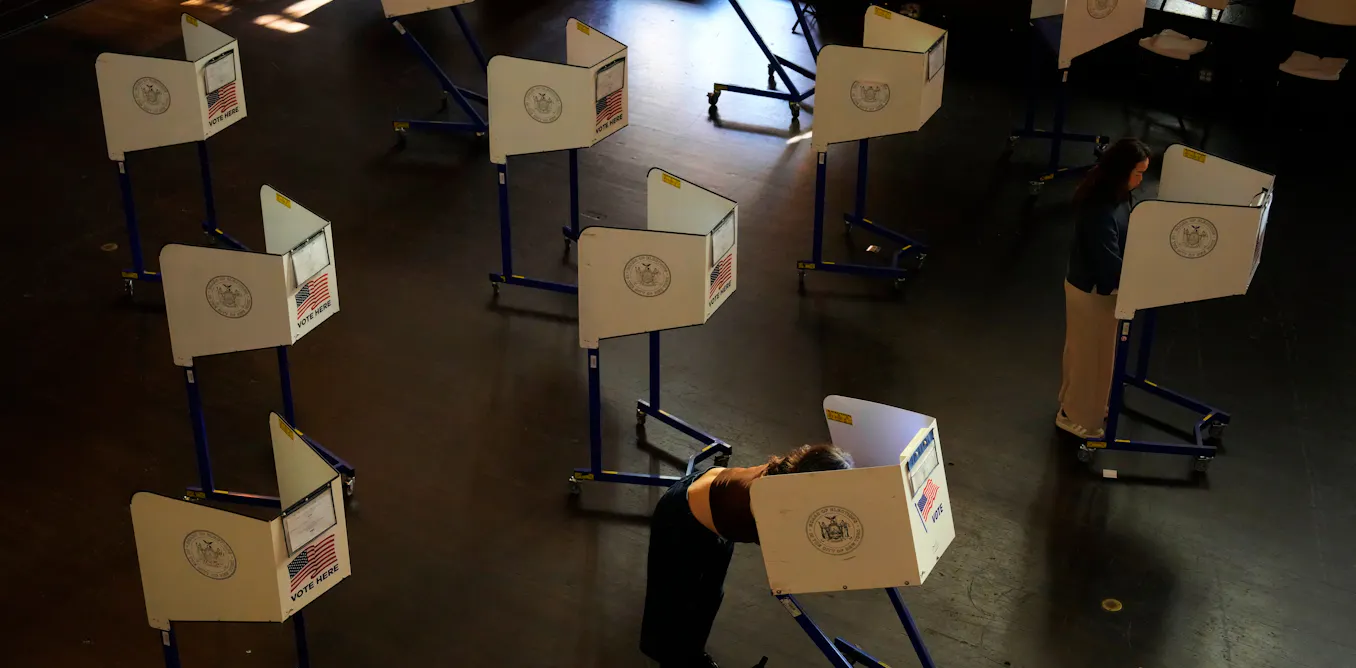
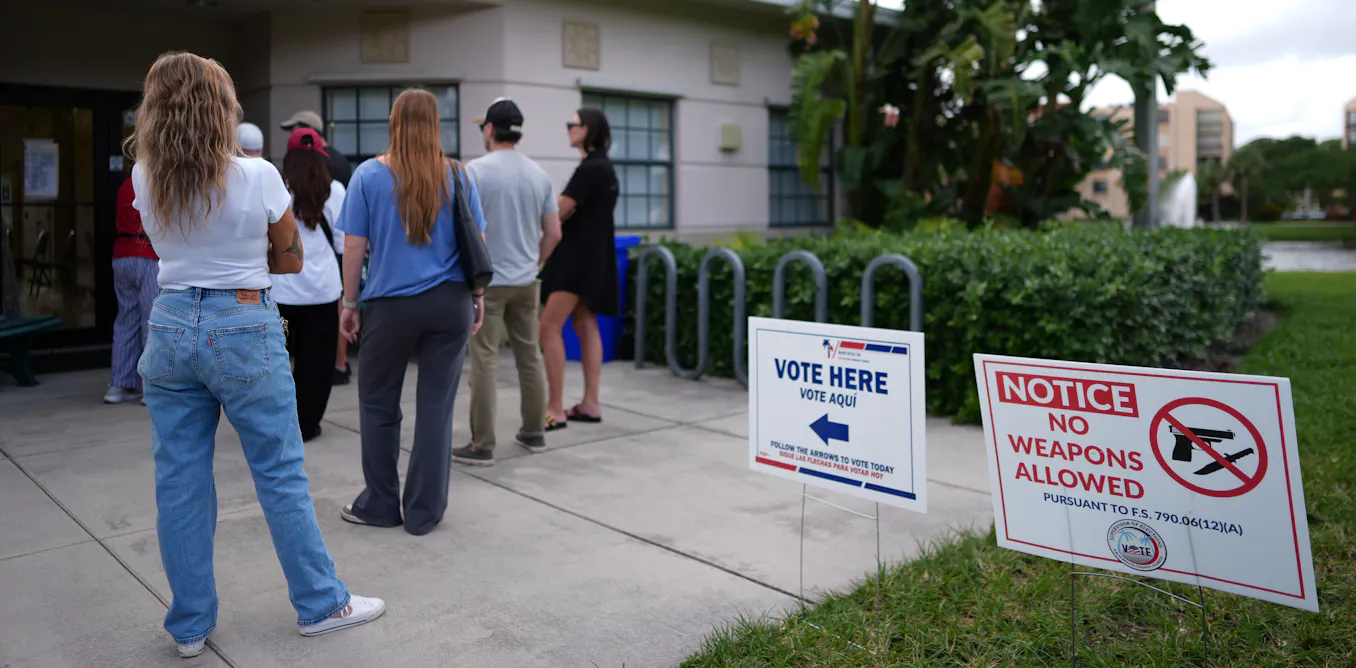
Donald Trump is a president without parallel, but history can still be instructive. Lame duck presidents often focus on foreign policy to escape domestic discontent and establish a legacy in an area where a hostile Congress offers less of an obstacle. Mr Trump, who was stunningly rebuffed by voters in Tuesday’s midterms, might seek satisfaction in construction projects, the 2028 presidential race and his family’s future. Or, amid the humiliation and with Republican critics growing louder, he could distract attention with fresh adventurism – perhaps escalating against Cuba – or more likely a vengeful new offensive against Iran.
Mr Trump won’t put in the legwork or attention to detail demanded by, say, Bill Clinton’s push for lasting peace in the Middle East. But he loves the glitz of state visits, spectacular military action, hobnobbing with strongmen and (unearned) credit for dubious “peace deals”. With a potential three-way meeting with Vladimir Putin and Xi Jinping mooted for the Apec summit in China this month, Ukraine, Taiwan and others have reason to be nervous.
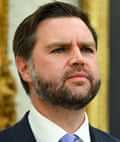
“The reason we lost [the midterms] is the war,” wrote JD Vance, the vice-president, on X. Mr Trump himself acknowledged Iran’s impact. Though voters don’t always connect action overseas to consequences at home, the link to higher prices was clear. Resuming the bombing would only deepen the crisis. The president has so far withstood Benjamin Netanyahu’s blandishments to renew their illegal war, and the Israeli prime minister is now fighting for political survival after last month’s election. But a negotiated exit looks more difficult than ever. A more militarised and hardline regime in Iran has seen the advantages of broadening the conflict and is crowing over Tuesday’s results.
Mr Trump has accelerated the expansion of executive authority over war, rejecting congressional constraint, and now says he will be “Mr Veto” if the legislature proves a problem. But Democrats’ seizure of Congress, which controls government spending, nonetheless gives them significant new power. They can increase pressure by tying their goals to “must-pass” legislation, though threatening a government shutdown over foreign policy comes with political risks. Control of appropriations committees will enable closer scrutiny of what is being spent, and where. Anti-interventionist Republicans will be reinvigorated – though the president vetoed a bipartisan resolution to end support for Saudi Arabia’s war in Yemen in his first term.
At a minimum, the Democrats can increase transparency and accountability for this administration’s crimes and follies, including its treatment of Ukraine and attacks on alleged drugs boats. Investigating the Trump circle’s links with foreign powers and business people could prove especially powerful: voters are increasingly concerned about corruption now that critics have tied it to the affordability crisis.
The midterms are an unusually powerful reminder that foreign and domestic policy cannot be sundered and that voters as well as the leaders they pick shape a country’s relationship with the world. Mr Vance was also striking in stressing the need to “change our relationship to Israel”. Like Mr Trump’s abrupt claim that the US would end military aid by the end of the year, that is a belated response to a seismic shift in public opinion – with most Americans now holding unfavourable views of their ally thanks to Israel’s genocidal war in Gaza, and Mr Netanyahu’s pursuit of permawar in the region.
American voters, and people around the world, must hope that newly elected Democrats will be deft in using their new levers to shape US actions. But when voters’ opinions are so strongly held and expressed, that moulds policy too.
-
Do you have an opinion on the issues raised in this article? If you would like to submit a response of up to 300 words by email to be considered for publication in our letters section, please click here.











Comments