
 German (DE)
  English (US)
  Spanish (ES)
  French (FR)
  Hindi (IN)
  Italian (IT)
  Russian (RU)
  3 weeks ago
Forty-five years ago, John Hinckley Jr attempted to assassinate Ronald Reagan as he left the Hilton hotel in Washington, injuring the US president and three others. Obsessed with the actor Jodie Foster, and seeking to gain her attention, the shooter had initially pursued Reagan’s Democratic predecessor, Jimmy Carter.
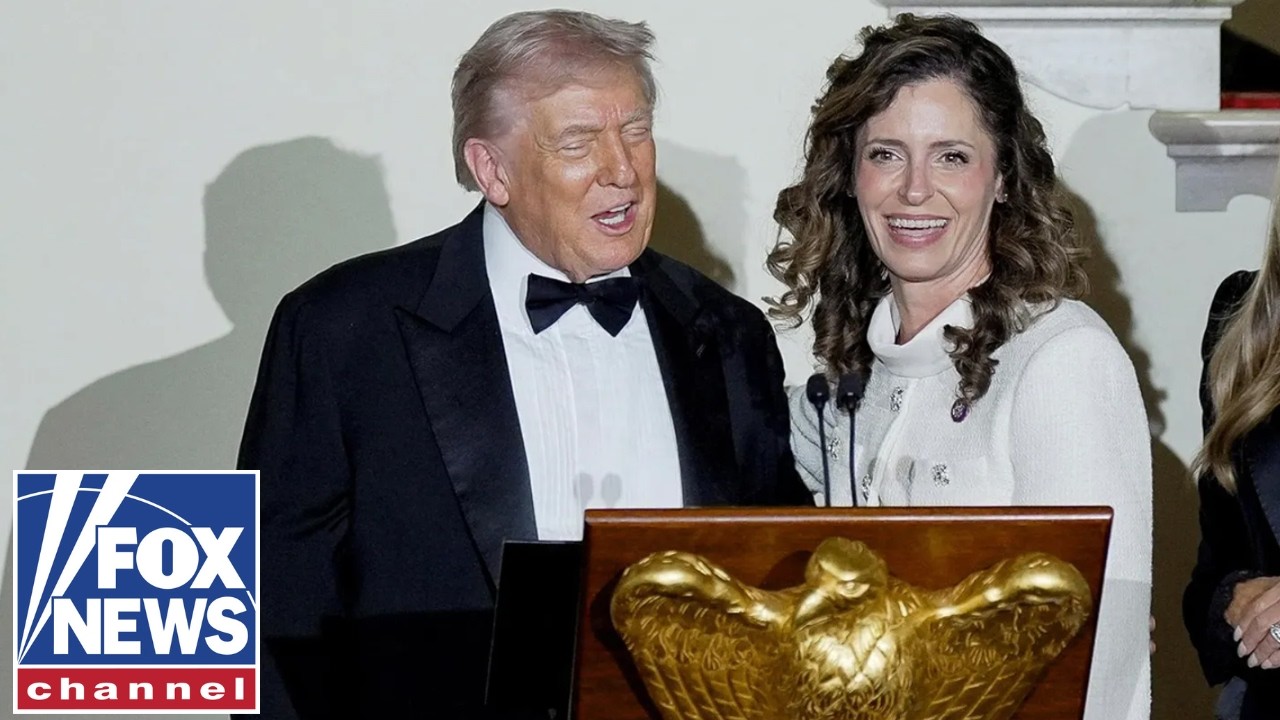
On Saturday night, the hotel again rang to shots as it hosted the annual White House correspondents’ dinner. Tuxedo-clad politicians and journalists dived under tables as bangs were heard from the lobby, and Donald Trump was rushed from the stage. A secret service agent was shot, though saved by his ballistics vest. The echoes of the 1981 attack are a potent reminder that violence has long been a tragic strand of the American political tradition. Gun violence is grimly familiar. This does not diminish the seriousness of an incident that was widely and rightly condemned. Rather, it highlights its importance.
Mr Trump survived two assassination attempts in 2024, with a bullet grazing his ear in the first incident, in which a man attending a campaign rally was killed. The acting US attorney general, Todd Blanche, said that law enforcement believed the Washington shooter was targeting administration officials, likely including the president. But the 1981 case underlines the importance of fully understanding an assailant’s motives and background, particularly given reports that the 31-year‑old suspect is not cooperating.
This shooting raises fresh questions about protecting politicians and whether security for Mr Trump is sufficient. It has prompted a review of security for King Charles’s visit, due to begin in the capital on Monday. Following the shooting, Mr Trump said that would-be assassins target “the most impactful people”. But violence has claimed the lives of Democrats and Republicans at all levels of politics. Last year alone saw the killings of a Democratic Minnesota state representative, Melissa Hortman, and her husband, and of Charlie Kirk, the rightwing activist and Trump ally who founded Turning Point USA.
Most Americans believe that harsh and violent language in politics contributes a lot to violent actions, says the nonpartisan Public Religion Research Institute. The president should set the tone for civility. Instead, Mr Trump has encouraged polarisation, used dehumanising rhetoric, and failed to denounce violence by the right. Following white supremacist violence in Charlottesville, in which an anti-racism protester was murdered, he spoke of “very fine people on both sides”. He declared his “love” for the 6 January seditionists even when, under pressure, he finally suggested that supporters go home. Five people died and scores of police officers were injured in the 2021 attack on the Capitol.
The shooting also demonstrates once more the calamitous effect of gun culture. The US has 120 firearms for every 100 residents. While shooting homicides fell last year, on average they killed 40 people each day. A 2024 study by the violence research programme at the University of California, Davis suggested that many recent firearms purchasers were open to political violence.
Yet figures from the Polarization Research Laboratory suggest that fewer than 1% of Americans support acts such as partisan murder. It warns that the fear of such acts discourages political activity and could be used to curb essential freedoms. Protecting democratic actors and democracy itself must not be accepted as contradictory impulses, but mutually supportive ones.










Comments