
 German (DE)
  English (US)
  Spanish (ES)
  French (FR)
  Hindi (IN)
  Italian (IT)
  Russian (RU)
 President Donald Trump is juggling twin crises — a partial government shutdown and unpopular war, neither with any end in sight — as his approval ratings continue to sink and the midterms approach.
Trump's most significant action on the record-breaking Department of Homeland Security shutdown has been to order airport baggage screeners be paid anyway, all but ensuring that the agency will stay unfunded for now. And the war in Iran, which the U.S. and Israel started Feb. 28, has moved beyond an easy resolution amid oil price spikes, escalating regional conflicts and more U.S. troops being deployed.
The consequences of Trump’s leadership are piling up. Trump’s approval ratings have sunk to the lowest point of his second term, with 59 percent of voters in a Fox News poll last week saying they disapprove of his job as president, and GOP control of Congress is in jeopardy.
“So many of the calculations that the administration is taking are not political,” said a person close to the White House, who, like others interviewed, was granted anonymity to speak candidly about their growing concerns. “For all the political people out here, like me and others that are like, ‘okay, guys, but what about the election?’ It doesn't seem like they're operating or executing the administration’s policies with an election on their mind.”
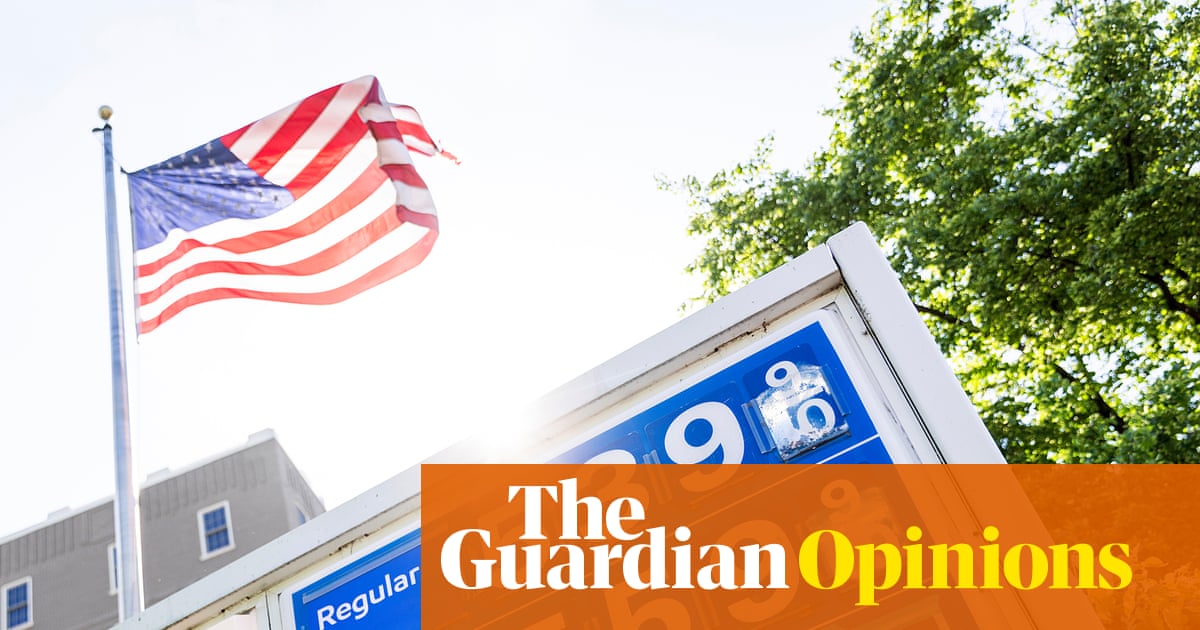
The president’s increased barnstorming to sell his economic agenda, which chief of staff Susie Wiles teased months ago promising a pivot to more of a domestic focus, has not fully materialized. Instead, he embroiled the U.S. in another unpopular war, sparking an outcry from some loud MAGA voices upset over the clear departure from his America First agenda — and the continuing rise in gasoline prices, which just a few months ago were a primary defense the White House deployed against Democrats’ affordability critiques.
It’s also a very different posture from even just a year ago, when Trump and his administration were bullish on the midterms and proactively applying political muscle in service of winning.
“We think we can have four years,” one Trump adviser said at the time, summing up the confidence inside the presidential political shop that Trump’s party would avoid a midterm defeat. “We reject the defeatist attitude of operating from the perspective that this is our only shot and we only got two years.”
Trump’s unconventional approach could make his fears about a Democratic-controlled Congress in the final two years of his term something of a self-fulfilling prophecy. But a second person close to the White House, also granted anonymity to discuss the political team’s thinking, suggested that the president’s go-for-broke strategy may be driven by a knowledge that his window of full GOP-control in Washington is closing.
“The House is not saveable, most likely,” a second person close to the White House said. “The president doesn't admit that publicly, but he certainly knows that it isn’t.”
Meanwhile, a senior administration official, who was granted anonymity to speak about internal discussions, said it’s “far too early to say” if the House will flip.
“Ultimately this is going to be decided in November, and sitting here in March trying to make predictions about how things are going to be in November is a fool’s errand. And the primary measure of how the party is going to do in the midterms is the generic ballot, and the generic ballot is in a tolerable position right now,” the person said.
Beyond the generic ballot, where Democrats continue to hold a five-point edge, more troubling data for Republicans is piling up. Trump’s approval rating in Wisconsin, a key swing state that he won in 2024, slipped to 42 percent last week, according to a survey by Marquette Law School.
“Trump's net job approval in Wisconsin this month is the lowest it's ever been in the first or the second term. He's in a lot worse shape today than he was at the beginning of the year, especially with independents,” said Charles Franklin, Marquette’s longtime pollster.
“Anytime you see an approval getting in the low 30s or even below, you have to say this is a huge warning sign.”
Trump on Wednesday acknowledged the trend working against incumbent presidents in the midterms, but described his presidency so far as successful.
“For whatever reason — I don't know what it is — but a president who wins, Republican or Democrat, almost always does poorly in the midterms,” Trump said at a House GOP campaign dinner. “Nobody knows why, even if it's a successful presidency. And there are those that say this has been the first, I mean, really, the best first year ever for a president. And I agree with them.”
Fourteen months into a second term defined by the president’s heightened ambition and a dearth of dissenting voices, Trump remains in what can only be defined as YOLO mode. But the lack of restraint from an executive who won’t have to face voters again has put his party in danger of losing the House and possibly the Senate too.
“Republicans were always going to be in a difficult situation in the midterms,” said one person close to Trump’s senior team who served in his first term. “But he's taking it from a difficult situation to being almost impossible for Republicans.”
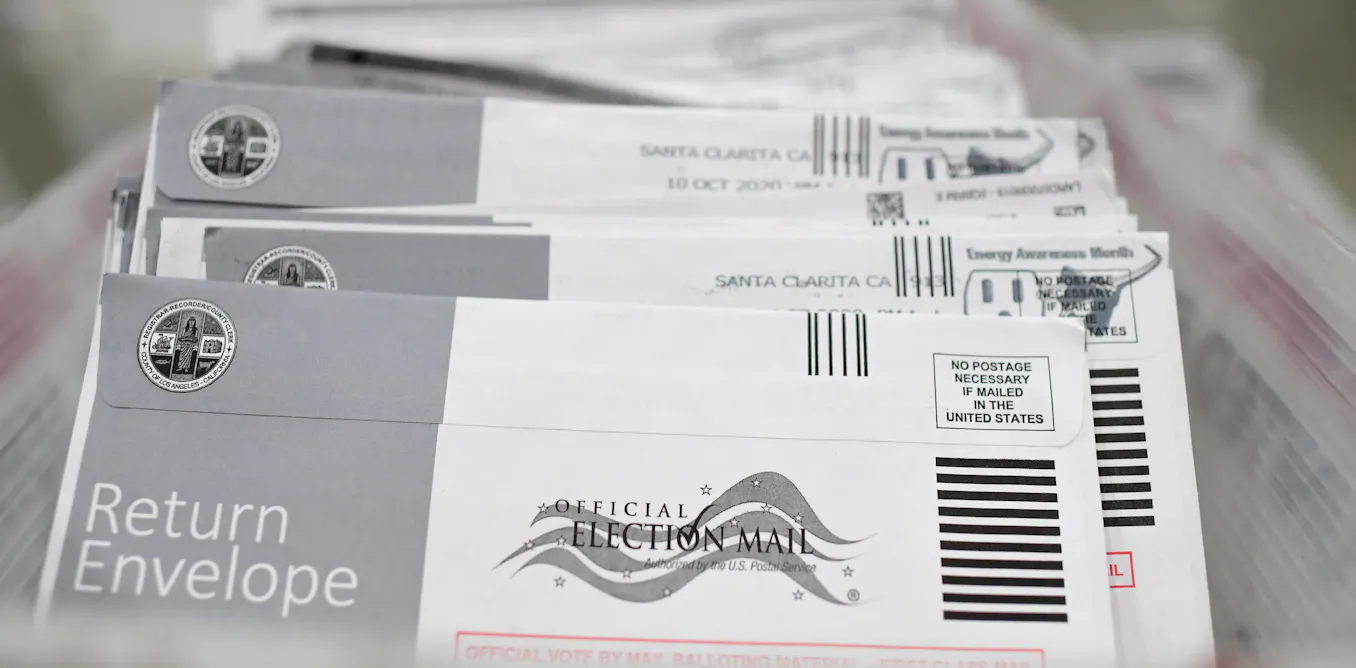
To the extent Trump has focused on the midterms, it’s been to attempt to give the GOP more of a structural advantage — from his failed gerrymandering effort last year aimed at creating additional safe Republican congressional districts to his current push to curtail mail voting and stiffen voter ID requirements.
Trump has called the elections overhaul bill, known as the SAVE America Act, his “top priority,” but it doesn’t have a path to passing the Senate. He’s been virtually silent on a proposal to restrict institutional investors from buying homes, which faces opposition in the House but could give Republicans a win on affordability before November.
Not pushing the housing bill is a missed opportunity to potentially lower costs for consumers, similar to allowing Affordable Care Act premiums to spike after a deal to extend them was backburnered in favor of a full Obamacare overhaul that so far has not come to pass.
The White House insists that the SAVE America act addresses issues that Americans care about when they go to vote in November.
“The president has been absolutely clear that the SAVE America Act is his absolute highest legislative priority, and he's going to keep pushing forward for that. But that doesn't mean he has no other policy preferences or priorities to work on that can address different areas of concern,” the senior administration official said. “Obviously, if you're thinking about things from a midterm context, the security and safety of the midterm elections is of paramount importance.”
The president has also generated significant angst for not endorsing more people in the midterms. He has opted to not weigh in on the GOP primary in Texas, which has turned into a runoff, to help incumbent Sen. John Cornyn or Texas Attorney General Ken Paxton.
In Texas on Friday, MAGA loyalist men at the annual Conservative Political Action Conference gathering expressed their frustration with Trump over Iran in particular. One 30-year old Iraq and Afghanistan war veteran, sporting an “America First” hat, told POLITICO Trump “lied about everything” and that there is “no clear objective” for Iran.
More than six in 10 voters disapprove of Trump’s handling of the Iran war, which analysts believe will have a lasting effect on energy prices even if there’s a deal to end the fighting in the coming days or weeks.
Increasing consumer prices resulting from the war and Iran’s closure of the Strait of Hormuz will likely offset the economic benefits taking effect this year following last year’s passage of the so-called “One Big Beautiful Bill.” And the administration’s focus on the war in recent weeks — not to mention several of the president’s more personal fixations, including White House and Kennedy Center renovation projects — has shifted attention away from any speeches or other messaging efforts addressing pocketbook issues.
“I think they’re jumping from one thing to the next without thinking of the political aggregate, because it no longer mattered,” a person close to the administration said. “When the politics of it all just started falling apart with redistricting, the YOLO was kind of what do we have to lose? If we’re going to do it, why not now?”
The second person close to the White House said that Trump’s thinking on Iran is “divorced from the midterms largely.” “He’s going to do what he thinks needs to be done. He's convinced it needs to be done.”
According to an Ipsos poll this week, only 29 percent of Americans currently approve of how the former real estate magnate is handling the nation’s economy — a lower mark than former President Joe Biden ever received during a term marked by stubborn inflation. And Trump’s personal approval rating has dipped to 36 percent, a level that historically has equated to sweeping midterm losses.
Lawmakers will be faced on the campaign trail with an American electorate that wants to see plans to improve their pocketbooks and bottom line. They are looking to the White House to arm them with messaging on affordability.
“I would start with the one big, beautiful bill. I would start with the extraordinary progress the president's made on the economy,” the senior administration official said on the messaging. “And I would continue with the fact that we have every confidence that the president will sign a housing bill, and that the administration has consistently strongly supported the Senate housing bill.”












Comments