
 German (DE)
  English (US)
  Spanish (ES)
  French (FR)
  Hindi (IN)
  Italian (IT)
  Russian (RU)
  3 weeks ago
The climate crisis is killing people. These deaths are measurable, documented and ongoing. Concluding otherwise is just playing pretend. Studies explain the mechanics, but lived experience supplies the truth. The people who suffer the consequences see the fire rising and water closing in. They need their government’s help.
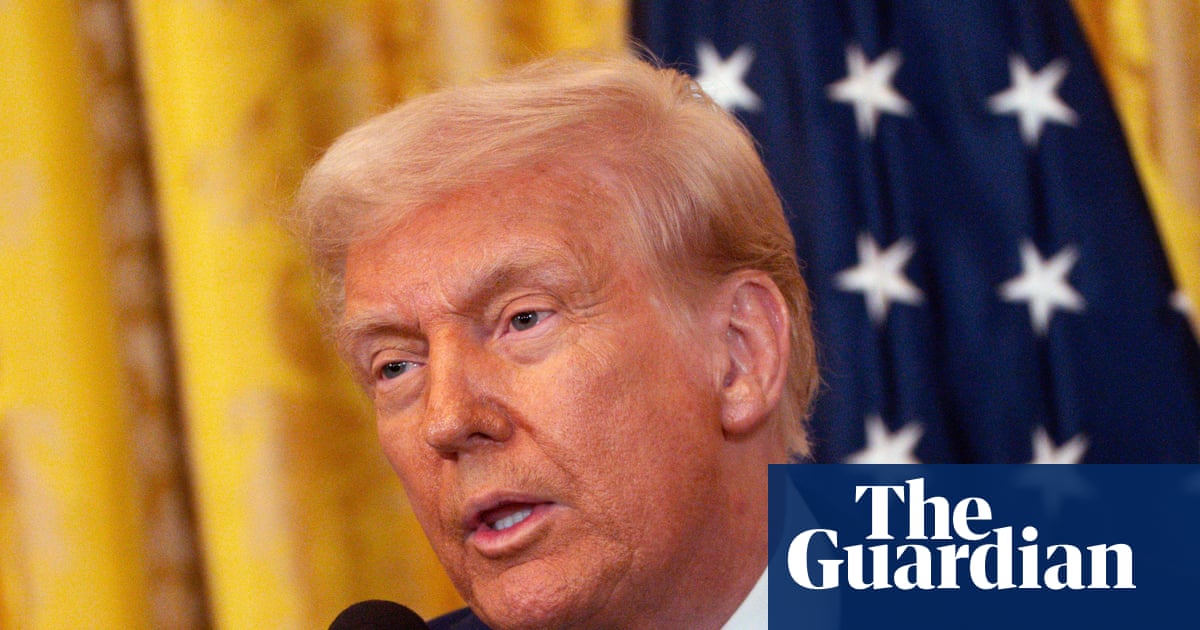
Despite that, the president of the United States stood at a microphone last Thursday and abdicated his duty to them. “It has nothing to do with public health,” he claimed about the climate crisis while announcing that the federal government would repeal the Environmental Protection Agency’s “endangerment finding”, a determination that greenhouse gases endanger human health and welfare. “This is all a scam, a giant scam.”
What he was lying about is a truth the federal government – even under his first administration – has embraced for nearly two decades. The Environmental Protection Agency (EPA) issued the “endangerment finding” in 2009. Drawing upon extensive scientific evidence, the EPA concluded that emissions driving the climate crisis contribute to extreme heat, intensified storms, rising sea levels, wildfires and degraded air quality, all of which carry direct consequences for human life and safety.
The endangerment finding was not rhetorical flourish. It was the legal keystone of modern US climate regulation, the scientific and administrative determination that enabled the federal government to regulate greenhouse gas emissions under the Clean Air Act. It formed the basis for emissions standards governing vehicles, power plants and industry.
Erase that finding, and you do more than undermine the Clean Air Act and the regulatory framework it supports. The move dismantles the authority that made those protections possible in the first place. In the process, the president is withdrawing official recognition of a danger millions of Americans are already living through.
This is on brand. Trump is wont to redefine documented facts, definitions and knowledge until it bears no resemblance to reality. When confronted with his own electoral defeat, he reframes it as fraud and uses government power to buttress that con. When addressing racism, he and his acolytes falsely and exclusively reframe it as discrimination against white Americans. The Trump White House doesn’t so much contest facts as it attempts to erase them.
Now, confronted with a warming planet, the Trump administration is risking something even more consequential: redefining and exacerbating an existing danger to his constituents. Across the country, people are confronting the climate crisis not as a projection but as past and present conditions – living on top of toxic fracking sites, smoke-choked skies and strained power grids.
The climate crisis is not a forecast. It is an incident report. It long ago moved beyond the theoretical, and its harms do not fall evenly.
Black Americans, for example, are more likely to live near polluting infrastructure and suffer disproportionate exposure to toxic air. They experience higher rates of premature death tied to pollution-related illness. Environmental justice advocates warn that dismantling the endangerment finding removes one of the federal government’s last legal shields against these harms – leaving frontline communities more exposed as climate risks intensify.
That vulnerability extends beyond chronic pollution exposure to acute disaster impact. The Eaton fire in California – which destroyed more than 16,000 structures – underscores how climate-intensified catastrophes often fall hardest on communities with the least infrastructure, insurance coverage and political leverage to recover.
There is also a strategic irony embedded in Trump’s latest retreat. In refusing to fight the climate crisis, the administration risks undermining the nationalist politics it claims to champion.
The climate crisis does not stop at national borders. Drought, crop failure and rising seas are already displacing populations abroad, fueling migration flows wealthier nations struggle to absorb. Weakening climate mitigation while simultaneously hardening borders ignores the causal chain connecting the two – a posture that risks intensifying the very displacement pressures it claims to resist.
Racism may color Trump’s politics, but it is probably not the sole driver here. The economic incentives are clear: erasing the finding would benefit polluters and the oligarchs behind them. The administration’s retreat from climate responsibility is hardly passive. As it works to erase the scientific finding that allows the federal government to regulate greenhouse gases, it is simultaneously directing the Pentagon to purchase coal-fired power – using federal muscle to sustain the very industry fueling planetary warming. It is one thing to deny a crisis. It is another to help finance it.
What Trump’s decision most clearly reflects, however, is a governing pattern the president has exhibited for years: distancing himself from responsibility for the harm he commits, even when the consequences are measurable and grave.
Recognition of danger undergirds our laws, enabling enforcement and creating the possibility of accountability. In the absence of findings like the EPA’s 2009 report, the government’s response to climate harm would rest largely on moral duty rather than enforceable obligation – a posture far more vulnerable to political discretion. Without formal recognition of danger, citizens and states lose one of their strongest legal footholds for compelling federal action when disaster strikes.
Should this erasure stand up after the inevitable court challenges, the government’s declared obligation to confront those realities with the full weight of its authority would disappear. The harm would not disappear, however. The only thing that changes is the terrain on which citizens can demand protection. The fires still burn. The heat still kills. The floods still come.
When someone like Trump rescinds the recognition of a documented danger already harming the people he’s charged with serving, it is not a mere change of policy. The president is refusing to do his job.
-
Jamil Smith is a Guardian US columnist










Comments