
 German (DE)
 English (US)
 Spanish (ES)
 French (FR)
 Hindi (IN)
 Italian (IT)
 Russian (RU)
 1 hour ago
Over the past two years, Americans have watched as the Trump administration enacted Project 2025 and the US has descended into a state of lawless authoritarianism. Instead of sinking into a state of paralysis, though, Americans rose up to push back against the attacks, including limitations of voting rights and manipulations of political power through the gerrymandering of congressional districts.
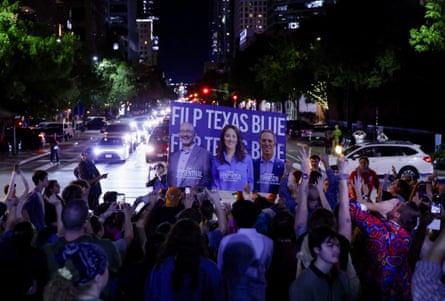
Donald Trump’s actions motivated resistance in the streets in the form of large-scale public demonstrations, along with more localized mobilizations against ICE and the occupation of American cities. On 3 November, the collective response manifested as resistance at the ballot box.
The 2026 midterm elections shifted the majority in both houses of Congress, flipped six state governorships, and elected a historic number of democratic socialists to office. It was nothing short of a revolution within the halls of power in the US.
When people think of revolution, most imagine the violent overthrow of a government by the disenfranchised. 3 November was a revolution from within the system of government that was driven by citizen participation and an electorate demanding social change. This combination of revolution and evolution – call it a [r]evolution – is a common last gasp of a citizenry before they give up.
This [r]evolution began with big changes in who ran for office.
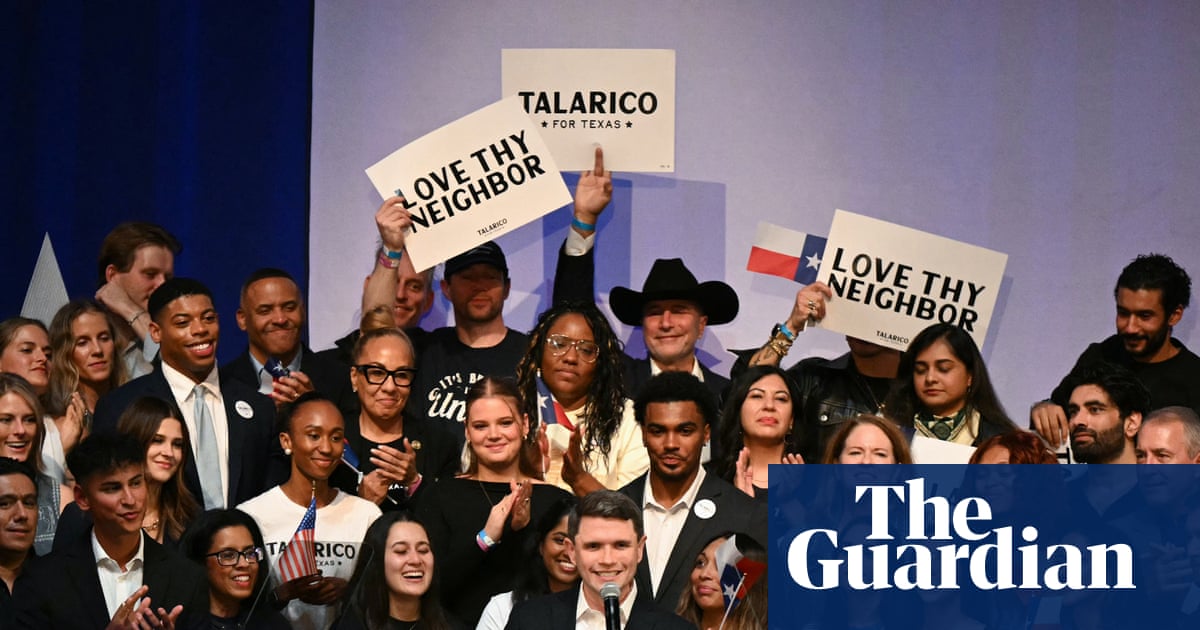
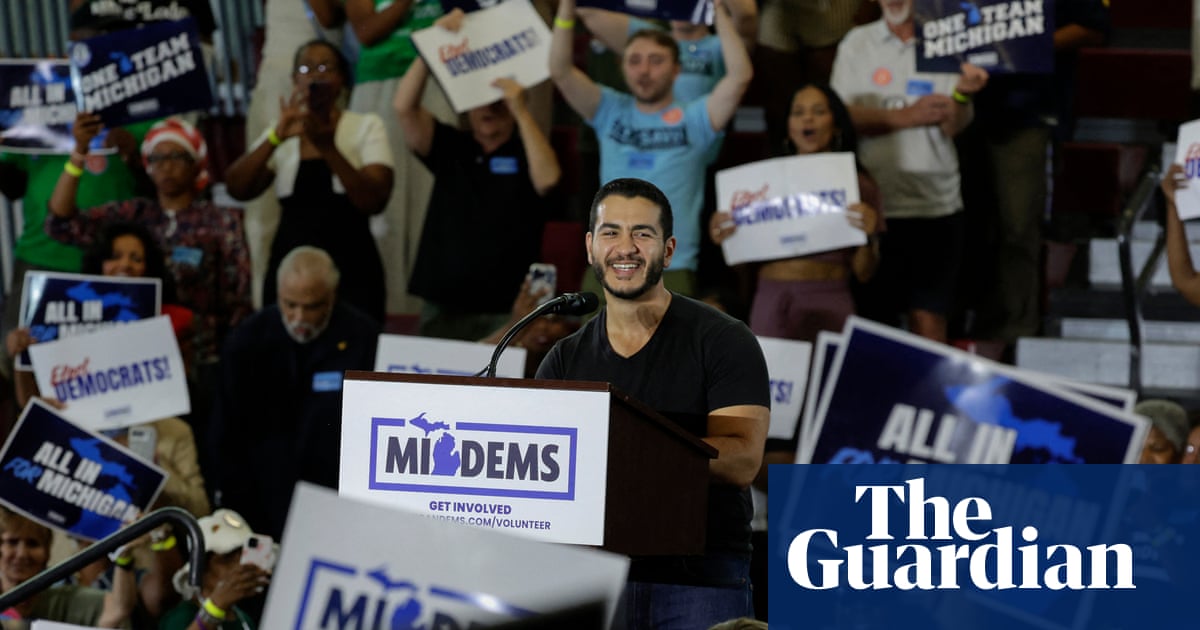
While the Democratic party has historically neutralized its left flank through the primary process, that tactic didn’t work this year. Instead, progressive Democrats (only some of whom identify as members of the Democratic Socialists of America) won victories against mainstream Democrats in New York, Michigan, Colorado, Maine, California, Minnesota, Illinois, Texas, as well as in numerous local races.
Defying the party’s stale playbook, these candidates ran against political corruption and economic inequality, campaigning on promises of fixing the broken healthcare system, getting corporate money out of politics, and ending the electoral college. And judging by the election results, Americans liked what they heard.
In contrast to suggestions that progressive candidates were unelectable, Americans turned out to vote in high numbers, and the overwhelming majority voted for Democrats.
While turnout this year did not break records, it was particularly high for those most affected by the policies of the Trump administration. Overall, there was a seismic shift in support for Democrats by Black, Hispanic and Asian voters.
The Brennan Center reports that turnout in majority-minority counties that had been affected by changes in the Voting Rights Act showed a 10-point jump since the last midterm election in 2022. In Texas, which has been on the frontline of the immigration battles during this Trump administration, votes overall moved to the Democrats. The highest rates by far were in counties on the border with Mexico, which shifted towards the Democrats by 35%.
But Americans are doing much more than voting. Every year, my team conducts a national survey of 1,500 Americans during the two weeks before the election with YouGov.
Since Trump took office in 2025, our data show that political participation is up. In the past two years, Americans have contacted elected officials, attended town hall meetings, participated in boycotts, and joined protests or demonstrations at much higher rates than they did during the Biden administration.
This year, we added questions about “participating in election/voter protection efforts” and “joining a strike” to the list of ways that Americans can participate.
Across these forms of political and civic engagement, our data show interesting patterns of participation by race and ethnicity. In particular, Black respondents were much more likely to have participated in election/voter protection efforts than white or Hispanic respondents, and Hispanic respondents were more likely to have attended a town hall meeting and participated in a strike in the past year.
These results from our national survey provide evidence that those most affected by Trump’s policies played a pivotal role in the Republican party’s losses this year: they turned out to vote, overwhelmingly voted for Democrats, and did much more than voting to bring about social change.
Now that the people have spoken and supported an updated version of the Democratic party, the question that remains is whether the party is up to the challenge and capable of the changes mandated by the voters.
Winning elections is only the first step. Voters have elected a progressive class of Democratic candidates up and down the ballot with the mandate to bring about systemic changes in the US.
If the Democratic party fails to meet this moment; if the Democratic party suppresses the efforts of this new class of Democrats; if the Democratic party pressures them to fall in line behind historically weak incremental and unsuccessful policies, bullying them to continue business-as-usual in the US, this [r]evolution will fail.
If the Democratic party does not reinvent itself to reflect a focus on the top issues that inspired the blue wave in 2026, I fear that what comes next in America will be less peaceful and less orderly.
-
Dana R Fisher is a professor in the School of International Service and the director of the Center for Environment, Community, & Equity at American University. She is the author of Saving Ourselves (2024), American Resistance (2019) and Activism, Inc (2006)







Comments