
 German (DE)
  English (US)
  Spanish (ES)
  French (FR)
  Hindi (IN)
  Italian (IT)
  Russian (RU)
  3 weeks ago
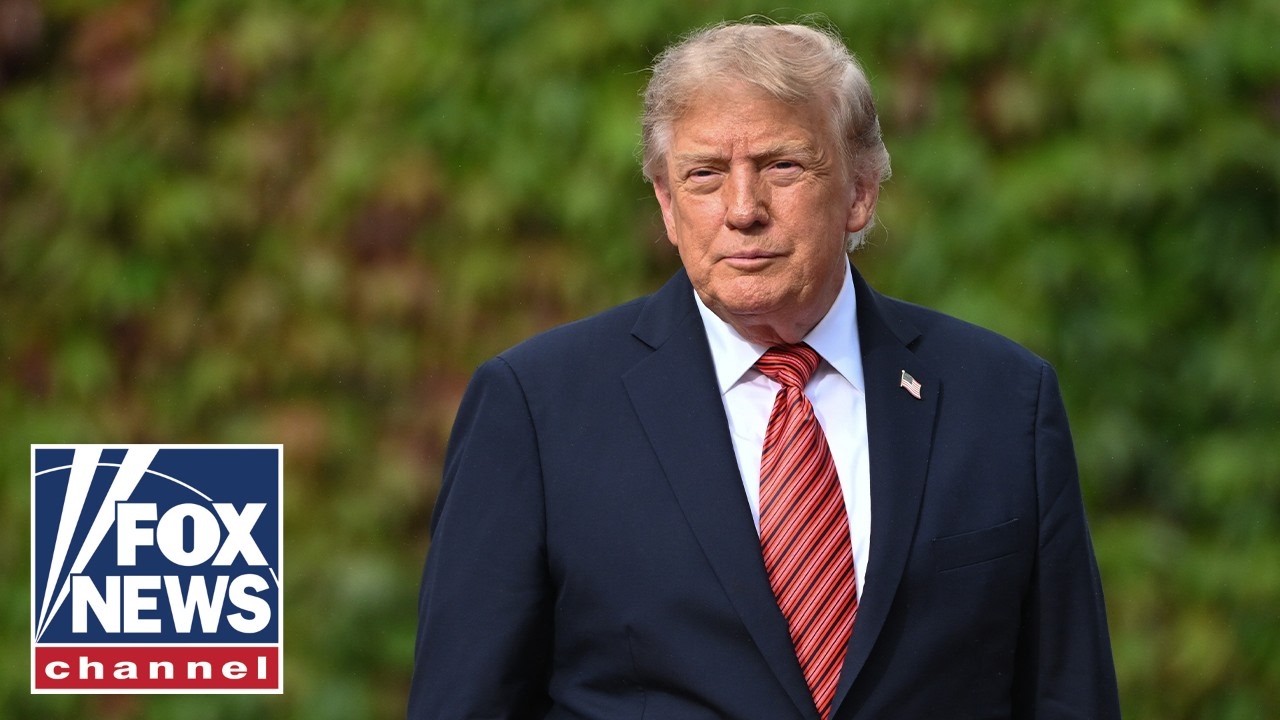
Donald Trump signed an executive order on Friday directing the interior department to consider de-listing gray wolves from the Endangered Species Act and to contemplate whether the agency could make it easier to authorize killing them.
The order gives interior secretary Doug Burgum three months to determine whether gray wolves and Mexican gray wolves have recovered enough for the federal government to de-list them.
But the US Fish and Wildlife Service, a division of the interior department, has already attempted to de-list the gray wolf – a decision that is currently tied up in litigation. A 2022 federal court order has left wolves protected by the ESA across most of their range in the lower 48 states.
The major exception is in the northern Rocky Mountain states of Montana, Idaho and Wyoming, where states manage wolves. In Minnesota, wolves are classified as “threatened” rather than “endangered”.
The USFWS has not attempted to de-list the Mexican gray wolf, a rare sub-species that was reintroduced to New Mexico and Arizona in 1998.
The current recovery plan for Mexican gray wolves requires a population average of more than 320 animals for four years in a row before federal authorities consider de-listing. Arizona and New Mexico counted a total of 319 animals at the end of 2025, triggering the first year in which officials can start counting to make the case for de-listing.
But Mexican gray wolves also face dire threats from lack of genetic diversity, according to Michael Robinson, an advocate with the Center for Biological Diversity. Premature de-listing, he said, would likely invite challenge from environmental groups.
“We’re going to be fighting every step of the way, with information, with science,” Robinson said. “That should be the core of the decision-making process.”
Trump’s order also directs federal authorities to urge states to remove protections for gray wolves and loosen local restrictions on wolf killing.
The order drew sharp criticism from environmental groups.
“Once again, we see this administration attempting to override the checks and balances provided by bedrock environmental laws like the Endangered Species Act in order to create industry carveouts and distract from other bad policies that are proving unpopular,” said Leia Barnett, New Mexico conservation lead for WildEarth Guardians.
“Directing federal agencies to pressure states into rolling back their own wildlife protections isn’t just bad policy, it’s an attempt to bypass the very framework Congress built to keep species recovery decisions insulated from political whims.”
The federal government systematically trapped and killed wolves in the US through the late 19th and early 20th centuries, pushing them to the brink of extirpation from the contiguous states, largely to protect livestock from predation.
Ranchers still largely view the animals as a nuisance that threatens their already slim profit margins. Trump’s order was part of a broader series of measure aimed at protecting ranchers and American beef production.
Trump appeared to suggest his order would make it easier to shoot wolves, despite the fact that most of them remain protected.
“You can shoot them as of today?” Trump asked at the signing ceremony, referring to Mexican gray wolves while talking with an Arizona rancher.
The comment drew laughter. US agriculture secretary Brooke Rollins interjected to say that interior secretary Burgum “has to do a little magic, but yes”.
Gray wolves are protected under the Endangered Species Act across most of their range in the lower 48, making it a federal crime to kill one in most cases, regardless of Trump’s order.
But Trump raised the issue again at the signing ceremony. A rancher told the president that people in his home state of Washington struggle with wolves, noting that in one case a pack of wolves caused a young girl to climb a tree to safety.
“You’re allowed to go and take care of it,” Trump told the rancher.
“If you say so, sir,” he replied.
“We have no choice,” Trump said. “I’ve been hearing about it for a long time.”















Comments