
 German (DE)
  English (US)
  Spanish (ES)
  French (FR)
  Hindi (IN)
  Italian (IT)
  Russian (RU)
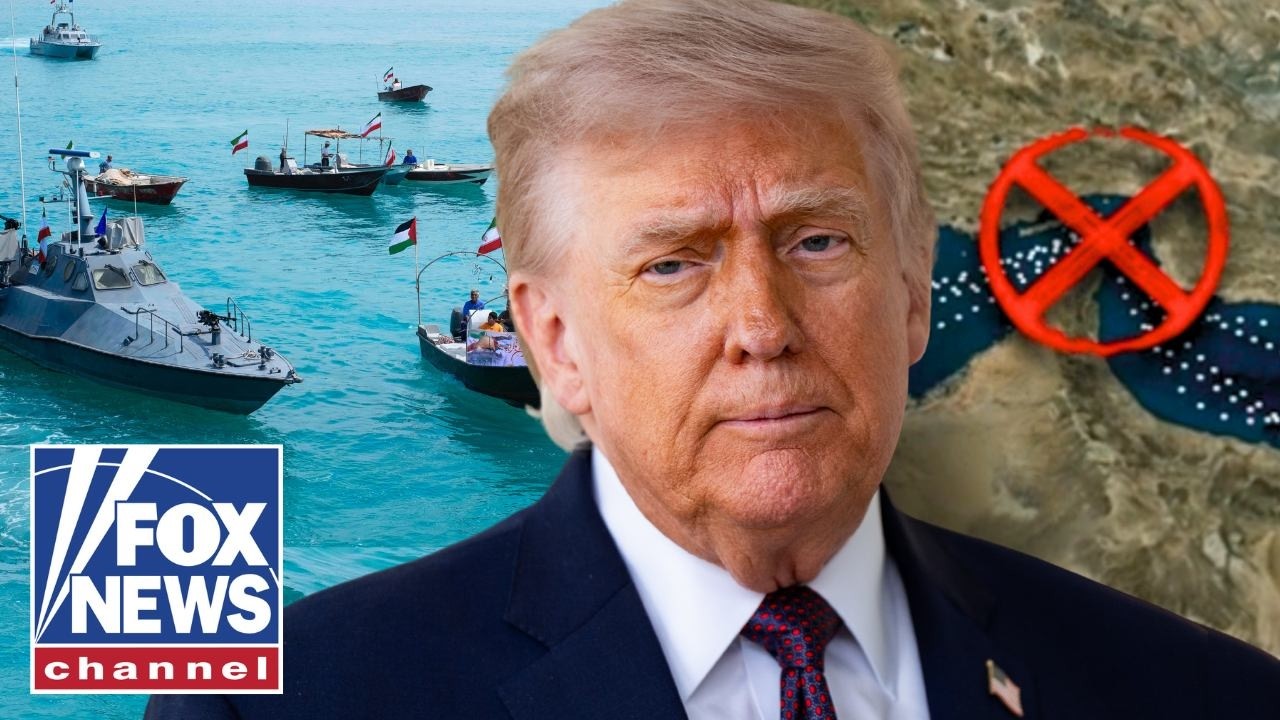
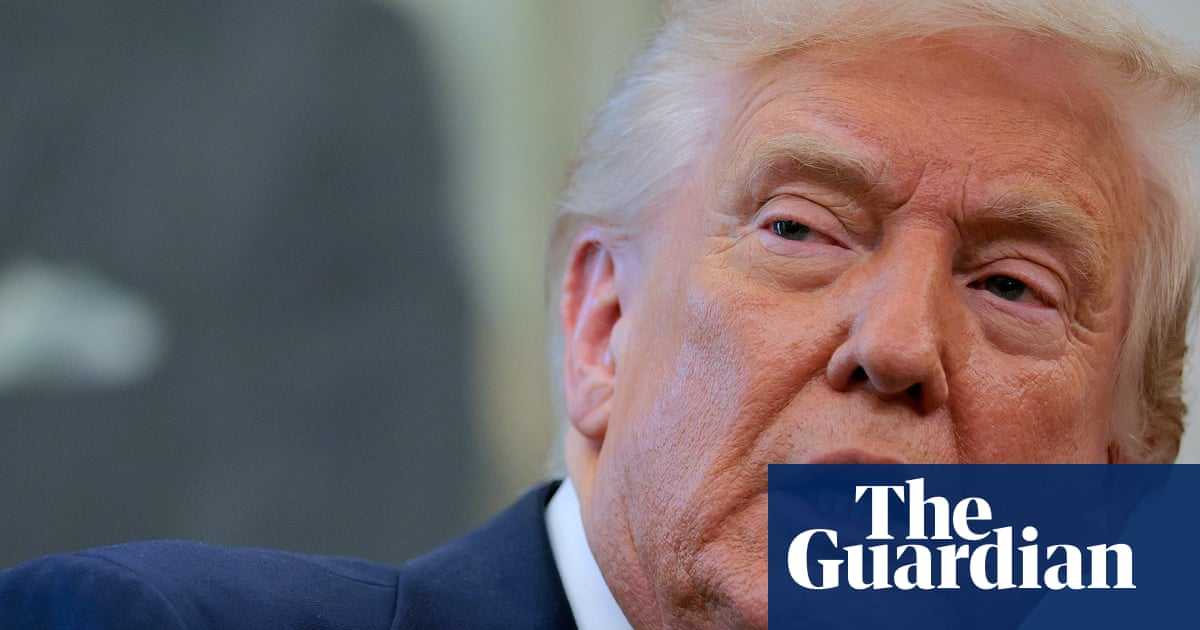
 WASHINGTON (AP) — As the Iran war intensifies, President Donald Trump has prioritized efforts to calm the financial markets — trying to keep oil prices from exploding upward, stocks from cratering and interest rates from surging.
When the markets have flashed danger, Trump has been quick with a social media post or a remark to claim the war he launched last month could soon end. He's publicly declared that the markets are doing better than he expected, even with the S&P 500 stock index declining over the past five weeks and the global oil benchmark up roughly 60%.
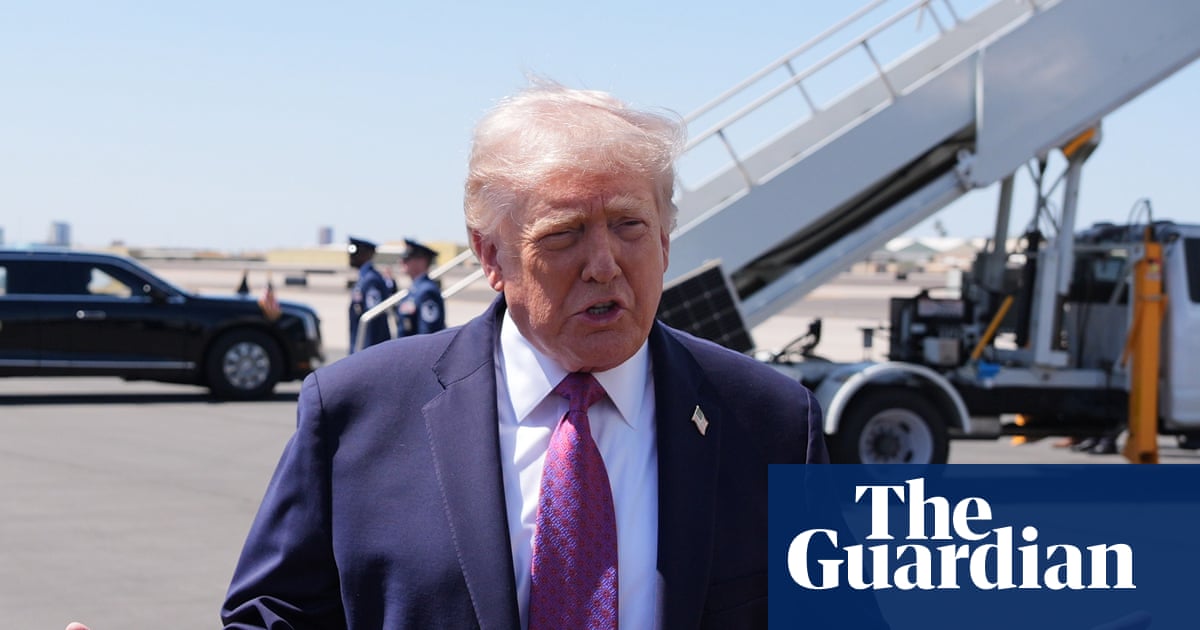
“I thought oil prices were going to go up higher than they are now,” Trump said at a Friday investor summit. “And I thought that we would see a bigger drop in stock. It hasn’t been that bad."
With the Iran war, the White House has largely refrained from messaging more aggressively to voters about the economic consequences — choosing instead to try to contain any damage in the financial markets, which have swung wildly on the prospects of ceasefire or escalation in what has become a high-stakes guessing game about Trump's next moves.
The Republican president showed the extremes of his messaging Monday before the U.S. stock market opened, writing in a social media post that great progress had been achieved on peace talks with Iran while also threatening civilian infrastructure such as desalination plants if a deal wasn't reached “shortly.”
The White House sees the stock, energy and bond markets as a way to indirectly reach voters. Trump has staked his economic agenda on cheap prices at the pump, robust gains in 401(k) accounts and cheaper mortgage rates.
But that messaging appears to be wearing thin as the president's various pronouncements have done little to change the reality that a large chunk of the world's energy supplies is stranded by the conflict. Just 38% of U.S. adults approve of how he's handling the economy and only 35% support him on Iran, according to a March survey by The Associated Press-NORC Center for Public Affairs Research.
Gene Sperling, a top economic adviser in the Democratic Clinton, Obama and Biden administrations, said voters can make a direct connection between prices at the pump and Trump’s choice to attack Iran. He said “simplistic jawboning” to the markets is insufficient for a public that is stuck paying the price as gasoline soars past $4 a gallon nationwide.
“Most advisers would say the president has to speak directly to the American people and fully acknowledge the economic pain that his policy has so directly caused in a short amount of time and make the case for why the national security concerns justify it,” Sperling said. “Instead, you have a strategy of not recognizing or even dismissing people’s economic pain.”














Comments