
 German (DE)
  English (US)
  Spanish (ES)
  French (FR)
  Hindi (IN)
  Italian (IT)
  Russian (RU)
 The ceasefire in the Middle East was in peril Tuesday after the United States and Iran traded fire and threats over President Donald Trump's new mission to force open the Strait of Hormuz.
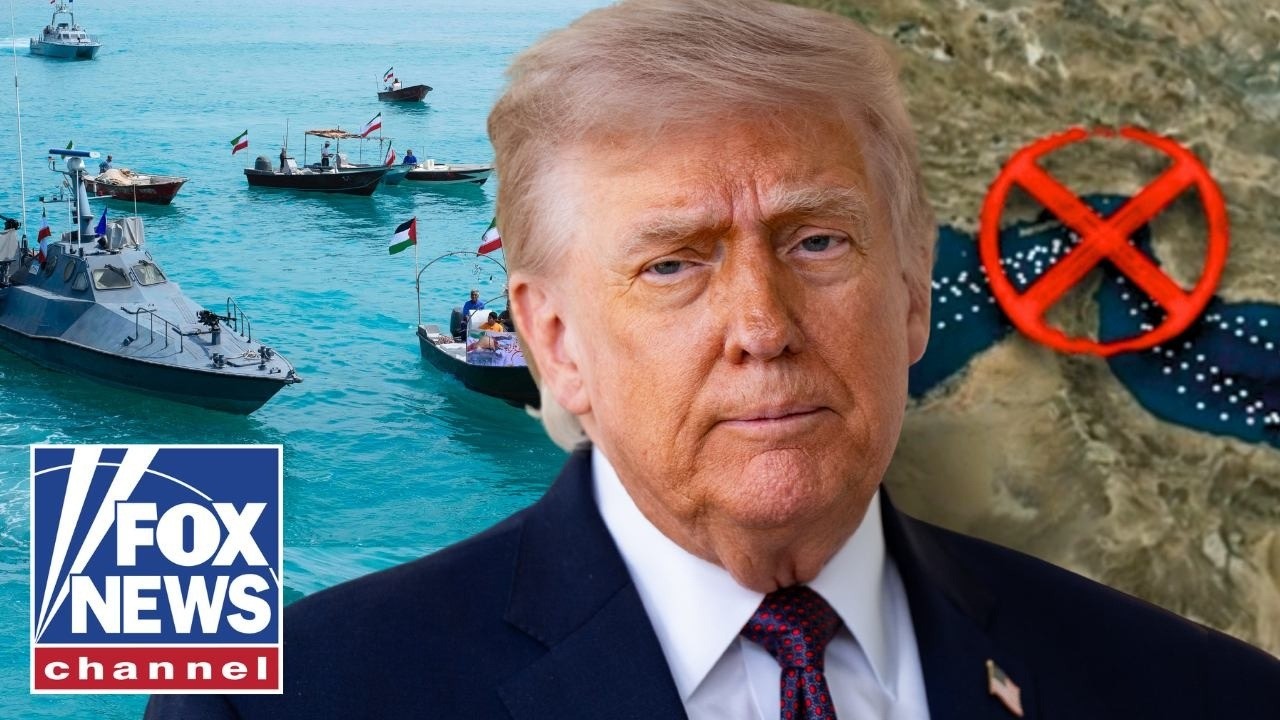
Trump's “Project Freedom” aims to use the U.S. military to break Tehran’s chokehold on the critical waterway, which has throttled international shipping and sent energy prices soaring.
But Iran's aggressive effort to retain its grip on the strait saw it attack U.S. ships, hit a neighboring Gulf state for the first time in weeks and come under American fire itself.
The U.S. military said Tehran's forces attacked U.S. Navy and commercial ships with cruise missiles, and launched drones and small boats at the vessels under U.S. escort, but that no American ships were struck. Trump said the U.S. destroyed eight Iranian boats.
Two U.S.-flagged merchant vessels made it through the strait, the U.S. military said, with shipping giant MAERSK confirming Tuesday that one of its vehicle carriers was escorted out "under U.S. military protection."
Iran denied there had been any successful crossings of commercial vessels or oil tankers, and said none of its navy ships suffered damage.
Top officials sounded defiant Tuesday.
While the situation in the strait was clearly “unbearable” for America, Iran has “not even begun yet,” Parliamentary Speaker and lead negotiator Mohammad Bagher Ghalibaf said in a post on X.
Events in the strait make clear that there is “no military solution to a political crisis,” Foreign Minister Abbas Araghchi also said in a post on X late Monday. He added “Project Freedom is Project Deadlock.”

Vessels in the Strait of Hormuz near Bandar Abbas, Iran, on Monday. (Amirhosein Khorgooi / WANA via Reuters)
(Amirhosein Khorgooi)
The escalating tensions raised questions about whether the ceasefire that began on April 8 was at risk or effectively over.
“Well, I can’t tell you that,” Trump responded when asked that question late Monday in an interview on the “The Hugh Hewitt Show.”
He warned that Iranian forces would be “blown off the face of the Earth” if they attack American ships, in a separate interview with Fox News.
The hostilities in the strait also involved a South Korean-operated ship, which suffered damage after an explosion and fire on Monday.
Trump called on South Korea “to join the mission” in a TruthSocial post, as he blamed Iran for taking “some shots” at the ship. Seoul said it was reviewing Trump’s proposal.
Meanwhile the United Arab Emirates, a key U.S. ally in the Gulf, said it engaged 12 ballistic missiles, 3 cruise missiles and 4 drones fired from Iran. The attack sparked a fire at an oil facility and injured three Indian nationals, officials said, drawing widespread condemnation.
Iran did not explicitly confirm or deny the attack, but said Tehran had no plan to target its neighbor. Araghchi, the foreign minister, warned both the U.S. and U.A.E. against "being dragged back into quagmire."
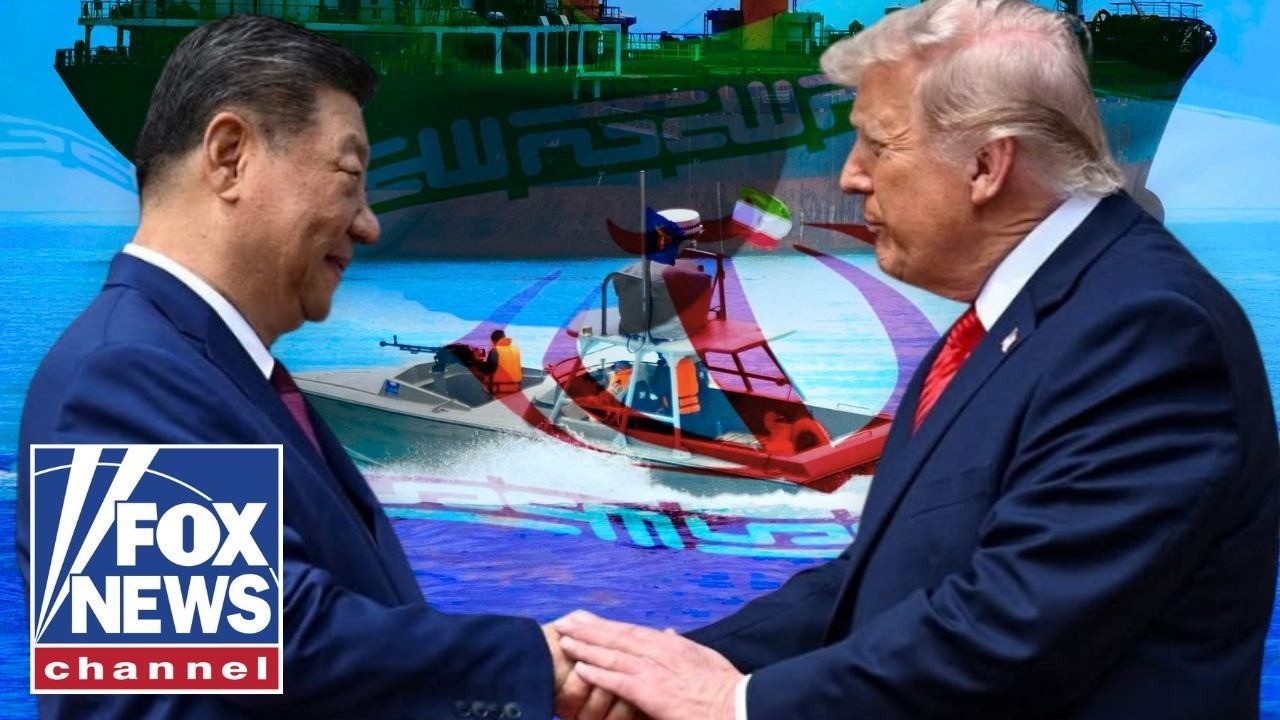
Araghchi was set to travel to Beijing on Tuesday. China, which has close ties with Tehran, has come under mounting pressure to help end the war.
Pakistan, a key mediator in stalled peace talks, urged the two sides to keep their cool.
It’s “absolutely essential that the ceasefire be upheld and respected, to allow necessary diplomatic space for dialogue leading to enduring peace and stability in the region,” Prime Minister Shehbaz Sharif said in a post on X.
The markets responded to the latest dramatic events with oil prices retreating but remaining well above $100 a barrel, while average gas prices in the U.S. climbed slightly to $4.48 a gallon.
Trump's mission appeared to have done little to immediately boost the confidence of those whose crews and cargo have spent weeks stranded in the strait. Ship owners and operators expressed caution about whether "Project Freedom" could significantly change the calculus and restore the flow of traffic.
"Either party can signal willingness to allow transit, but unless the other side mirrors that behaviur and it is seen to hold over time, the risk profile for vessels and crews remains unchanged," Bjorn Hojgaard, the CEO of ship management company Anglo-Eastern Univan Group, told NBC News in an email Tuesday.
"Most prudent owners are still choosing to hold position rather than expose vessels and crews to uncertainty," Hojgaard said.
More clarity is needed, including what guarantees of protection and security will be provided in the event of an Iranian attack, said John Stawpert, marine principal director at the International Chamber of Shipping, the global trade association for shipowners and operators.
“There is still a huge amount of uncertainty as to what "Project Freedom" actually means,” Stawpert told NBC News in a phone interview.
This article was originally published on NBCNews.com







Comments