
 German (DE)
  English (US)
  Spanish (ES)
  French (FR)
  Hindi (IN)
  Italian (IT)
  Russian (RU)
  3 weeks ago
The US state department has cancelled tourist visas for more than half of the board members of Costa Rica’s leading national newspaper, La Nación, which has been a critical voice against the country’s president, Rodrigo Chaves, an ally of Donald Trump.
During Chaves’s 2022 presidential campaign, La Nación published several articles documenting allegations of sexual harassment against him that had forced him out of his job at the World Bank. The paper also reported on allegations of illegal campaign financing, which Chaves denied.
Since taking office, Chaves has been extremely critical of La Nación, accusing it of being “despicable press” and “political assassins”. He also targeted the newspaper financially by withdrawing a sanitation permit for an event space run by the organisation’s parent company.
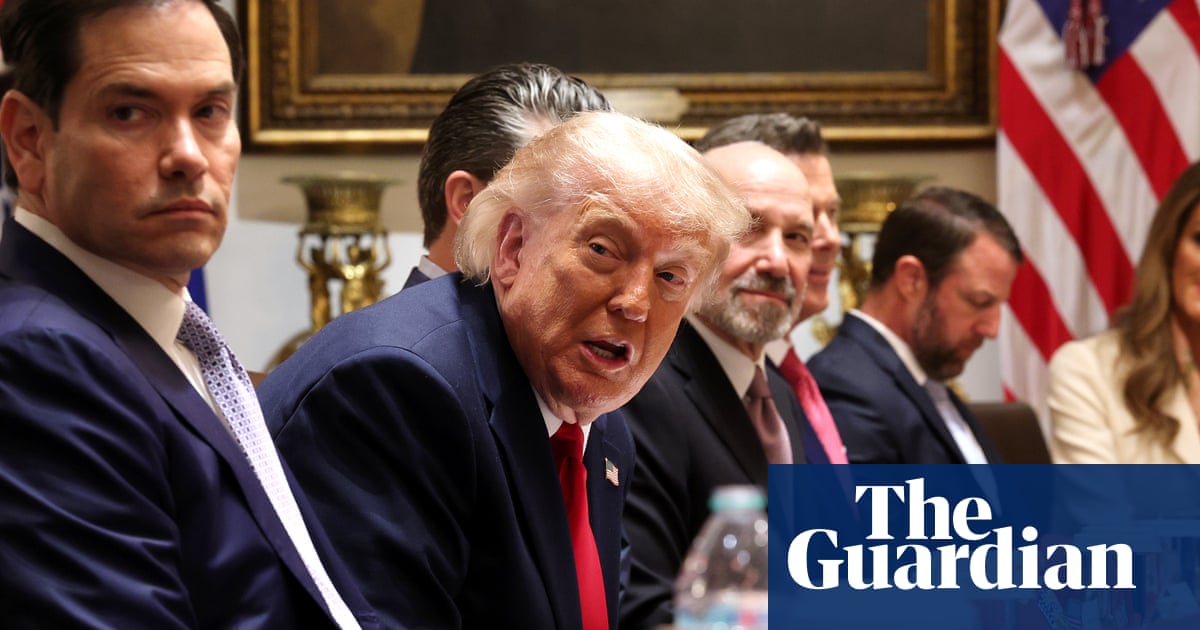
At the same time, Chaves has become a close ally of the US president. Last month, he agreed that Costa Rica would receive up to 25 deported migrants a week from the US. Chaves also participated in Trump’s Shield of the Americas summit and closed the Costa Rican embassy in Havana.
Now, the ties between the two governments appear to have led to La Nación’s board members being barred from entering the US.
“This is completely unprecedented,” Pedro Abreu, the president of the board of La Nación, said via email. “We see it as an indirect attack on press freedom because of the effect it can have on an independent media outlet and on those who have the institutional responsibility to protect it.”
Abreu said five of the paper’s seven board members had had their visas revoked, while the other two held passports from countries that do not require a visa to enter the US.
Analysts say the move by Washington could have an immediate chilling effect in Costa Rica. “It’s extremely serious,” said Felipe Alpízar, the coordinator of the Observatory of American Politics at the University of Costa Rica. “It’s the United States eroding the foundations of political discussion in Costa Rica, of freedom of expression, of freedom of the press.”
The state department did not immediately respond to a request for comment.
The members of La Nacion’s board are just the latest in a long list of Costa Ricans targeted by Washington. Mauricio Herrera, a former Costa Rican communications minister, said: “This didn’t happen in a vacuum; there’s a persistent pattern. There’ve been a number of individuals whose visas have been revoked because they are political opponents or critics of the government.”
Among them is Óscar Arias, twice president of Costa Rica and a Nobel peace prize laureate. Washington also banned Arias’s brother, Rodrigo, the president of the legislative assembly and a supreme court justice.
The visa restrictions began not long after the US secretary of state, Marco Rubio, visited Costa Rica last year and praised Chaves for a decree that in effect barred Chinese companies from Costa Rica’s 5G network rollout.
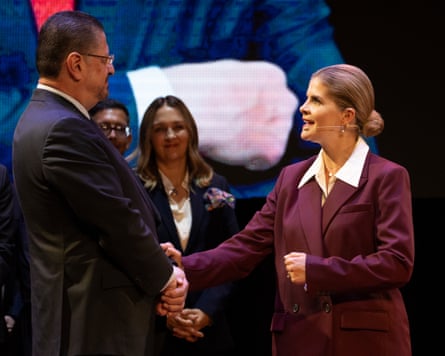
Rubio told Chaves: “We’re going to try to work in cooperation with you. To impose costs on those within the country who use their positions of authority to undermine the interests of the people of Costa Rica.”
Weeks later, opposition members who had criticised Chaves’s decree found their visas revoked.
Chaves will step down later this week and be replaced by his handpicked successor, Laura Fernández. Analysts fear attacks against the opposition will only increase under her presidency.
Herrera said: “My fear is that in the near future they will revoke visas of opposition members of parliament and the rectors of public universities. I would like to think that this is going to stop, but nothing indicates that it will.”










Comments