
 German (DE)
  English (US)
  Spanish (ES)
  French (FR)
  Hindi (IN)
  Italian (IT)
  Russian (RU)
  3 weeks ago
The US Senate confirmed Kevin Warsh as chair of the Federal Reserve, one of the most powerful roles in the federal government that holds enormous sway over the economy.
The 54-45 Senate vote on Wednesday was split along party lines, with the exception of Democratic senator John Fetterman from Pennsylvania, who joined the Republican majority. Warsh was confirmed for a four-year term as chair and a 14-year appointment on the Fed’s rate-setting board.
Warsh will officially step into the role on 14 May, when the term of outgoing Fed chair Jerome Powell ends. He is taking over leadership of the Fed at a time when the central bank faces immense pressure from the Trump administration to lower rates, even as inflation climbs and war in the Middle East continues.
The Fed sets interest rates, which determines the cost of borrowing money. Higher interest rates typically cool spending and prices, at the risk of higher unemployment. Lower interest rates can boost the economy but also raise prices.
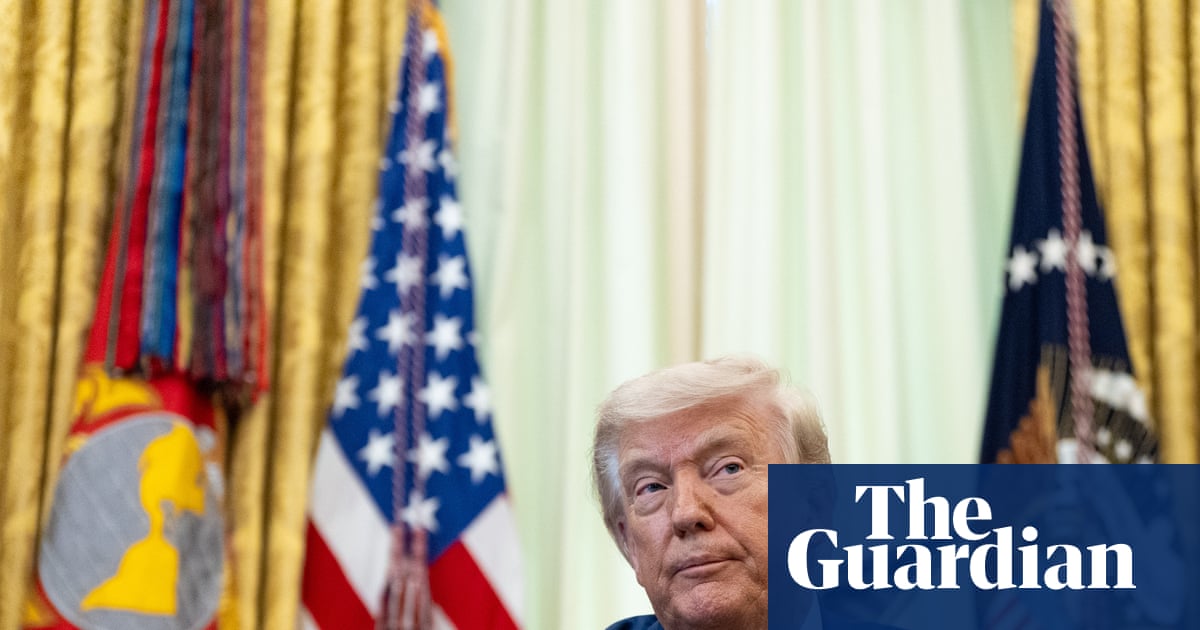
Warsh has echoed Donald Trump’s calls to lower rates, but must convince the other members on the Fed’s 12-member voting board to do so. With inflation rising to 3.8%, that could be a hard case to make.
An Ivy League economist and former Wall Street banker, Warsh previously served as a Fed governor from 2006 to 2011. During his time on the board, he was known as an “inflation hawk” – advocating for higher interest rates to combat high inflation. He left the Fed board in 2011 due in part to disagreements over the Fed’s post-financial crisis stimulus package.
Warsh reportedly interviewed for the top position at the Fed in 2018, but Trump ultimately appointed Powell – a decision the president now calls a “really big mistake”.
At a hearing before the Senate banking committee last month, Warsh said he would maintain Fed independence and “take politics out of monetary policy and monetary policy out of politics”. But he refused to answer whether Trump lost the 2020 election, raising alarm among Democrats who say Warsh will be Trump’s “sock puppet”.
Though outgoing Fed leaders typically leave after their terms as chair end, Powell announced last month that he will stay on the Fed board as a voting governor until the White House ends its scrutiny of renovations at the central bank’s headquarters that went over budget. Powell called the scrutiny “pretext” behind wanting to pressure the central bank to lower rates.











Comments