
 German (DE)
  English (US)
  Spanish (ES)
  French (FR)
  Hindi (IN)
  Italian (IT)
  Russian (RU)
  2 weeks ago
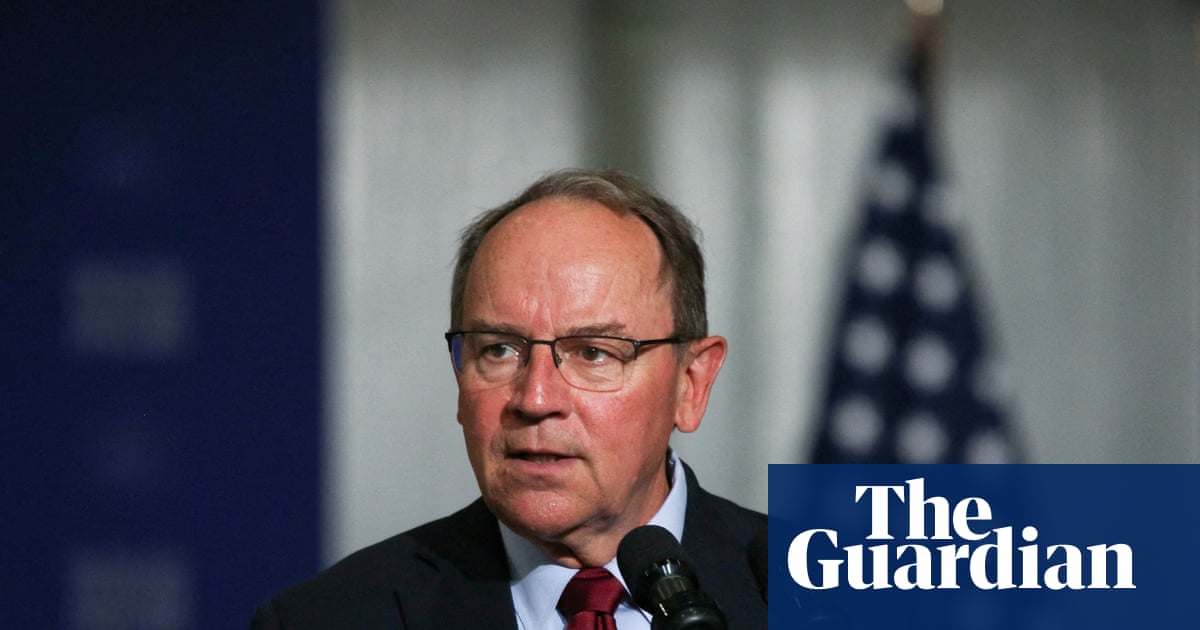
“El-Sayed and Stevens Project Party Unity After Divisive Race,” announced the New York Times on 5 August, the day the democratic socialist Abdul El-Sayed beat out his centrist Democratic rival, Haley Stevens, in the Michigan senatorial primary. “Divisive” is now the Times’s favorite attack word, deployed repeatedly to disparage and try to undermine the astonishing recent advances by self-identified democratic socialists and other progressive candidates.
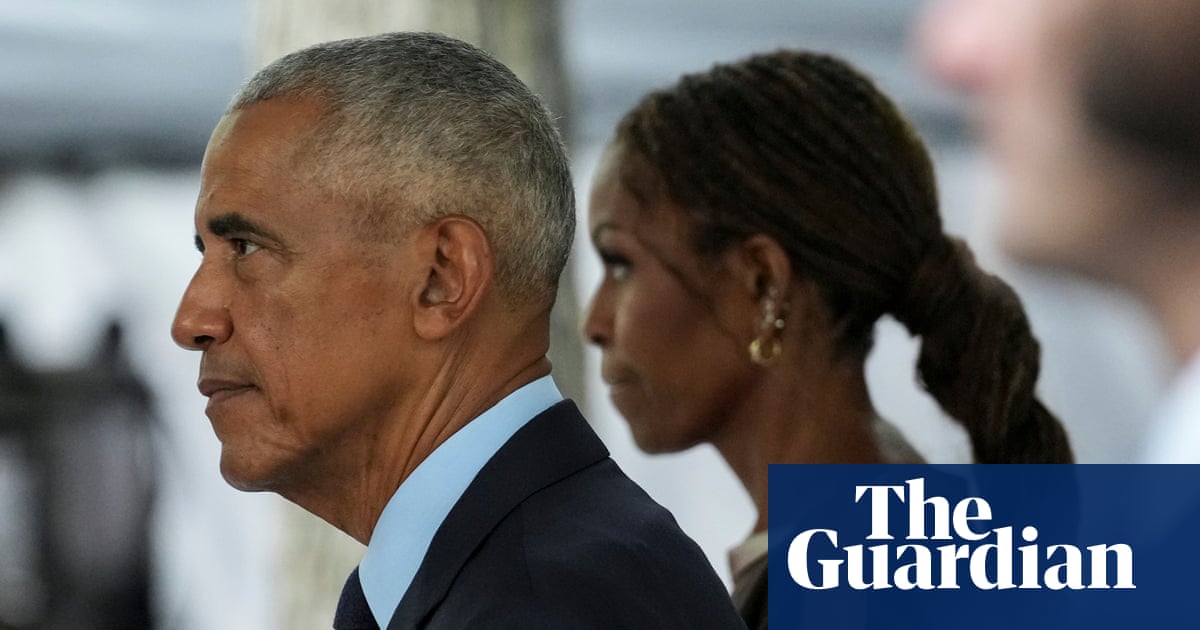
Four days after that first story, the Times again landed “divisive” under “Obama and El-Sayed Discuss Unity After Ugly Michigan Primary.” El-Sayed, it asserted, had “narrowly prevailed in a divisive primary after campaigning on a progressive and anti-establishment platform”.
On 12 August, the Times reported that David Crowley, who narrowly beat out Democratic socialist Francesca Hong in the Wisconsin gubernatorial primary, “promised to leave behind the divisive Democratic primary and focus on Mr. Tiffany”, his Republican opponent. Other stories slip it in more subtly. That same day, in a piece about representative Alexandria Ocasio-Cortez allegedly distancing herself from “Woke 1.0”, the Times cited Middlebury College professor Erik Bleich, who “pointed to the calls to defund the police as a divisive goal”.
“Polarizing”, a close cousin to “divisive”, appears regularly, too. The Times especially likes to apply it to New York mayor Zohran Mamdani. A reporter insisted in October 2025, for example: “As Mamdani’s campaign upends New York politics, no single stance has polarized New Yorkers as passionately as his pro-Palestinian activism and caustic criticism of Israel.”
Perhaps most outrageous was the Times’s choice of headline for a recent review of David Zirin’s new book about Howard Zinn: “America’s Most Divisive Historian Gets a New Biography.” How, exactly, was Zinn “divisive”? And who are those other historians who are also divisive, just not at bad? Neither Adam Hochschild, in his review, nor Zirin, in his biography, nor any discussion of I’ve ever seen in 40 years as a practicing US historian (and co-author, along with Robin DG Kelley, of a book with Zinn), talk about Zinn that way.
The Times’s choice to cast Zinn as divisive out of the blue, on top of its repeated usage of the word since the midwest primaries, suggests there’s a conscious campaign underway to utilize the concept however it can.
Overall, the Times’ repeated charge of “divisive”, along with “polarizing”, implies a previous and virtuous whole that is currently being destroyed by the left. It assumes voters agree that in the face of deep fear of Trump and his allies, we have to stick together, and that progressive candidates can’t beat Republicans in the midterms.
But the Times’s mythical unified country never existed. The United States has always been riven by race, class, gender, religion, immigration status and much more. And vigorous debate has always been at the core of truly democratic politics.
For the Times, “unity” is a stand-in for the powers-that-be in the Democratic party and “their preferred strategy of running moderate campaigns that won’t offend aging incumbents, never-Trump Republicans, and the multimillionaire-and-up donor class,” as the editors of Hammer & Hope Magazine recently put it.
The mealy-mouthed, centrist candidates the party’s leadership has chosen in the name of unity have repeatedly alienated or failed to energize voters, especially African Americans.
The Times does on occasion employ “divisive” to describe far-right Republicans, such as with Florida governor Ron DeSantis. But that, in turn, colors its usage against the left, which, implicitly, is behaving fanatically and dangerously, too. As the paper claimed on 16 August, after the midwest primaries, “Democrats Face a Potential Tea Party Moment.”
Note, moreover, the recent actions by “moderate” Democrats the New York Times has apparently not deemed divisive: James Carville, the political consultant, who called Democratic socialists “a pack of fools” on Fox News, or Abigail Spanberger, the governor of Virginia, who in May vetoed a bill granting collective bargaining rights to public workers, betraying the union base that had elected her.
In Michigan, it’s Islamophobia that’s in fact “divisive”, not the Muslim candidate Abdul El-Sayed, who, along with many of the other candidates the Times calls divisive, is not coincidentally a person of color.
By charging progressives – and especially democratic socialists – with divisiveness, the New York Times is doing everything it can to shore up a fantasized unity in which corporate powers, Wall Street, and billionaires control the Democratic party, and the rest of us fall into line to vote however they like.
But it’s the Times that’s trying to divide us, as we form ever broader, ever more dynamic and ever more effective coalitions to challenge the masters it serves.
-
Dana Frank is professor of history emerita at the University of California, Santa Cruz. Her newest book, Balancing Acts: How a Japanese Immigrant Built a Life in the Face of Racial Danger – Until Federal Agents Arrived, will be out from Beacon Press in April 2027














Comments