
 German (DE)
  English (US)
  Spanish (ES)
  French (FR)
  Hindi (IN)
  Italian (IT)
  Russian (RU)
 California voters will decide who will oversee the state’s elections in the race for California secretary of state between incumbent Shirley Weber, a Democrat, and Republican Don Wagner.
The secretary of state plays a central role in administering statewide elections, providing voters with information about ballot measures and statewide candidates as well as overseeing campaign financing and lobbying activity. The office also handles business licensing and filings.
Weber, a former state Assembly member, is seeking another term after she initially was appointed to the role in 2020 by Gov. Gavin Newsom and elected by voters in 2022.
Wagner, also a former Assembly member, was elected to the Orange County Board of Supervisors in a special election in 2019 and reelected in 2020 and 2024.
This year's race sharpens ongoing partisan debates over how elections should be run in California, particularly when it comes to Republican-led efforts to create stricter voter identification measures, including requiring proof of citizenship. Nationally, President Trump is aggressively pushing for legislation in Congress that he says is necessary to combat fraud by noncitizens at the ballot box.
Republicans in California want voters in the state to get a chance to weigh in on the issue through a proposed ballot initiative. The ballot measure would require voters to show identification, and election officials would need to verify registered voters are U.S. citizens.
Read more: Voter guide to the 2026 California primary election
Who are the candidates?

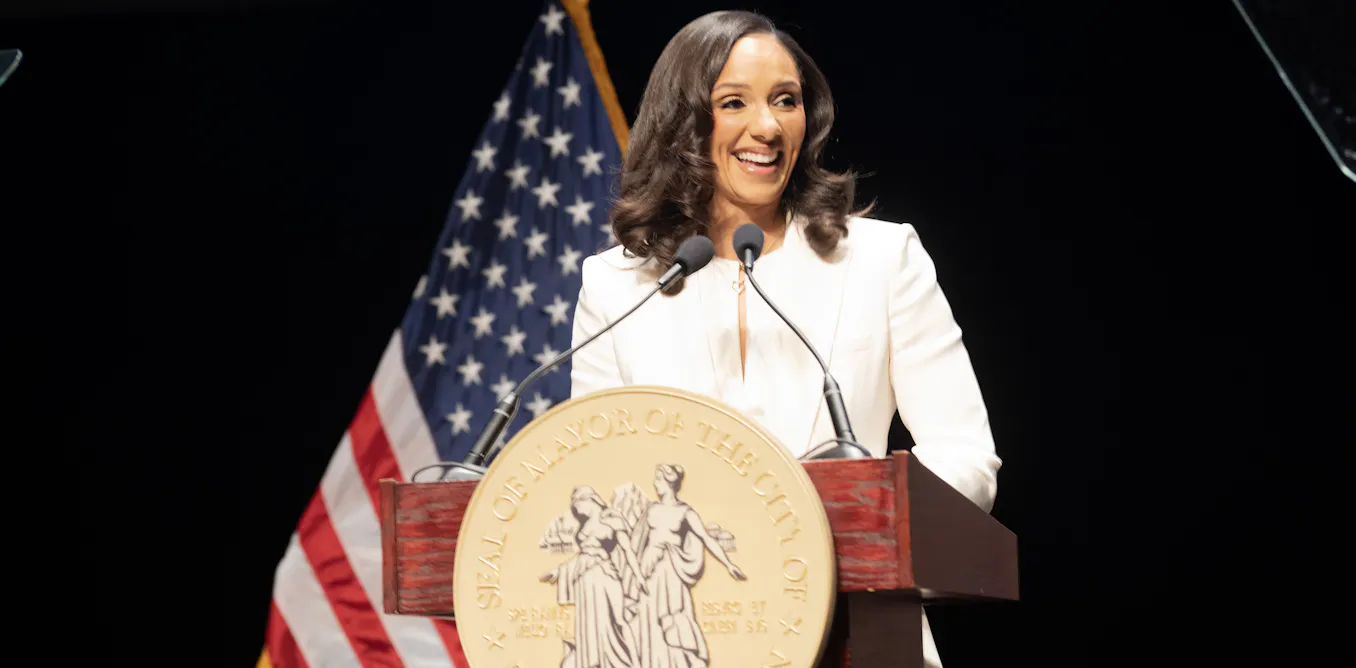
California Secretary of State Shirley Weber speaks during the California Democratic Convention in San Francisco. (Christina House / Los Angeles Times)
Shirley Weber taught Africana studies at San Diego State University for 40 years, was a member of the San Diego Board of Education and represented the city in the California Assembly. She was chair of the Legislative Black Caucus and authored a bill that created a reparations task force, restricted when police can use deadly force and made ethnic studies mandatory for California State University students.
"I take pride in the fact that I'm a person of integrity," Weber said. "I'm not an attention-getter. I do the job. I do it well and I want people to vote in California, whether they're Democrats or Republicans."
Don Wagner spent 12 years on the South Orange County Community College District Board of Trustees before he was elected to the state Assembly. He built his secretary of state campaign around election oversight and transparency, arguing that the state should take additional steps to ensure voters have confidence in the system.
"I have had the opportunity to see government at the state level, at the county level and I was also the mayor of Irvine," Wagner said. "I know how to serve the public and provide the kind of service that the public deserves in California."

Don Wagner speaks at a town hall at the Calvary Chapel in Big Bear. (Gina Ferazzi / Los Angeles Times)
In addition to Weber and Wagner, two Green Party candidates are running for secretary of state — teacher Gary Blenner and Michael Feinstein, a former mayor and city council member of Santa Monica who ran unsuccessfully for secretary of state in 2018. Blenner and Feinstein have not been actively fundraising, according to state campaign finance filings, putting them at a major disadvantage.
Where they stand on voter ID
Across the country, debates over voter identification laws have become a flash point in broader fights about election security and voting access.
Supporters of voter ID laws say they are needed to prevent election fraud and ensure only eligible voters cast ballots. Critics argue there is little evidence of noncitizens voting and say the requirements instead would reduce voter participation in elections.
Under California law, voters in the state are not required to show or provide identification when casting a ballot in person or by mail. The state does require ID when registering to vote, and residents must swear under penalty of perjury that they are eligible to vote and they are a U.S. citizen.
Weber has opposed proposals that would require voters to show identification in order to cast a ballot. She and many Democratic leaders argue that voter ID laws can create barriers for eligible voters, particularly those who may not have easy access to government-issued identification.
Weber believes Voter ID efforts are meant to sow doubt in the integrity of the elections system.
"When you really get to it, Voter ID is a smoke screen for trying to create the idea that this is a corrupt system," she said.
Weber instead supports policies aimed at expanding participation among eligible voters, including vote-by-mail ballots and automatic registration.
Conversely, Wagner wants the state to require voters to show ID at the polls. He argues that requiring identification would strengthen public trust in election results and align California with practices used in many other states. He said it's patronizing to minorities when critics argue it's hard for them to get identification.
"You need an ID to drive," he said. "You need an ID to fly in a plane. You need one to buy alcohol. You need it to buy tobacco."
Wagner has been working with proponents of the Voter ID ballot measure to raise money and helped gather signatures. That statewide ballot measure would require state or local elections officials to verify that Californians registering to vote are U.S. citizens by “using government data,” which according to supporters could include information in the federal Social Security Administration database, jury summons information and other government records.
"What I'm pledging the people of California is that if they pass voter ID, I will protect it. I will sue if I have to," Wagner said. "If I am secretary of state, I will implement it and hold the registrars accountable and hold my office and myself accountable for doing the will of the people."
Where they stand on turning over voters rolls to feds
When the Trump administration sought the release of sensitive California voter data last year, Orange County leaders vowed to fight back. Wagner, however, urged the board to comply with the federal request, saying it was not in the best interest of the state to take on the Trump administration and risk losing vital funding.
"If the Department of Justice wants to come in and help us clean our rolls, we should say thank you and take the help," Wagner said."Here in Orange County, I would like the help to clean the rolls so that everybody who is entitled to vote is allowed and is on the rolls and should be able to vote. But if you're not legally entitled to vote, I want you out of the polling place."
The Justice Department sued Weber after she refused to hand over the state’s voter rolls. Weber said the Trump administration was attempting to use the federal court system to "erode the rights of the State of California and its citizens by trying to intimidate California officials into giving up the private and personal information of 23 million California voters."
"Given the distrust that we have in this country right now with the federal government, it would not be wise to do that," Weber said. "If you have a Secretary of State who willingly gives away information without some kind of court or other action, that is dangerous."
How much have they raised and spent
Past coverage
Read more: Justice Department sues California, other states that have declined to share voter rolls
Read more: Orange County will fight Trump over sensitive voter information, despite pushback
More California statewide races
How and where to vote
More election news
This story originally appeared in Los Angeles Times.









Comments