
 German (DE)
  English (US)
  Spanish (ES)
  French (FR)
  Hindi (IN)
  Italian (IT)
  Russian (RU)
  3 weeks ago
Tammy Gooding,BBC Hereford & Worcesterand Elliot Ball,West Midlands

 Jessica Hill
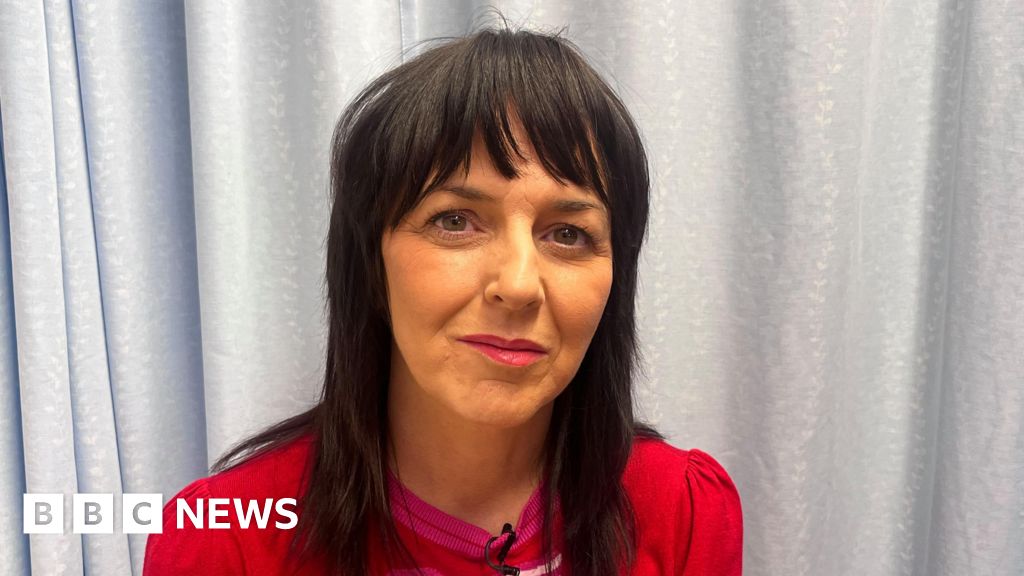
Jessica Hill has suffered from endometriosis symptoms from the age of 14
A clinical trial aims to help women receive an earlier and safer diagnosis for endometriosis.
Led by Worcestershire Acute NHS Trust, it is the first in the NHS to study the accuracy of a non-invasive test that does not require surgery.
Endometriosis affects about one in 10 women, but can take years to be diagnosed and surgery is usually required to confirm a diagnosis.
Consultant gynaecologist Donna Ghosh, said: "What we're really focusing on is reducing the delay in diagnosis. Patients who are suffering from symptoms that are suggestive of endometriosis will reach that diagnosis sooner."
The NHS defines endometriosis as a "chronic, often painful condition" where tissue similar to the lining of the womb grows outside of it, commonly on pelvic organs like ovaries and fallopian tubes.
It can often cause inflammation, scar tissue, and pain.
The trial, led by Ghosh, began in November, and uses electrodes to detect activity of the small intestine.
Explaining how it works, Ghosh said small electrodes placed on the abdomen detected the activity of the muscle of the small intestine.
"The pattern or frequency of this activity has been shown to be specific or unique to the patients with endometriosis."
Ghosh said endometriosis diagnoses in the UK had been delayed due to the condition's reliance on surgical intervention.
"Non-invasive tests, such as the ones we are investigating as part of this trial, will be much more helpful in diagnosing endometriosis and giving patients access to timely treatment," she said.
Jessica Hill, from Tenbury Wells, has been suffering with endometriosis for 16 years, having five surgeries in that time.
"At 14, somebody saying they were going to open you up on a hunch, that it could be this, I was terrified," she recalled.
"I put it off and waiting another four years until I had surgery for my diagnosis because I was scared, and there was no other way but surgery to find it."
Her symptoms prevented her from attending school and college, leaving her bed bound in pain.

Consultant gynaecologist Donna Ghosh said the study had the aim of reducing diagnosis delay
Hill, who now suffers from severe stage four endometriosis, added: "I've had part of my bowel removed, I've had surgery on my bladder, my pelvis, my nerves, everything."
She also explained the condition "feeds" off scar tissue so the more surgery a patient had, the worse it could be.
"If they can find it before even cutting someone open it's going to make it quicker for them, the woman herself won't feel like she's losing her mind, because that's exactly how you feel," Hill said.
"They can also get the treatment earlier to stop it from getting to the more serious stages."
The trust and Ghosh are now recruiting more women with no history of pelvic pain, aged between 18 and 50, to take part in the trial.
The study has three groups:
- Patients with pelvic pain and suspected endometriosis
- Patients who are having laparoscopic surgery for any other reason
- Healthy women with no complaint


















Comments