
 German (DE)
  English (US)
  Spanish (ES)
  French (FR)
  Hindi (IN)
  Italian (IT)
  Russian (RU)
  2 hours ago
Kate MorganWales community correspondent

 BBC
BBC
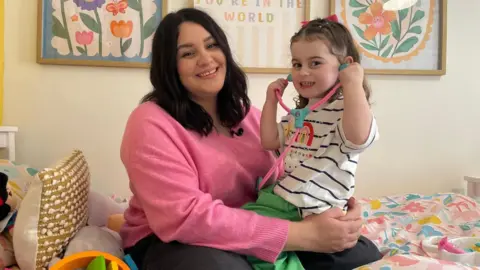
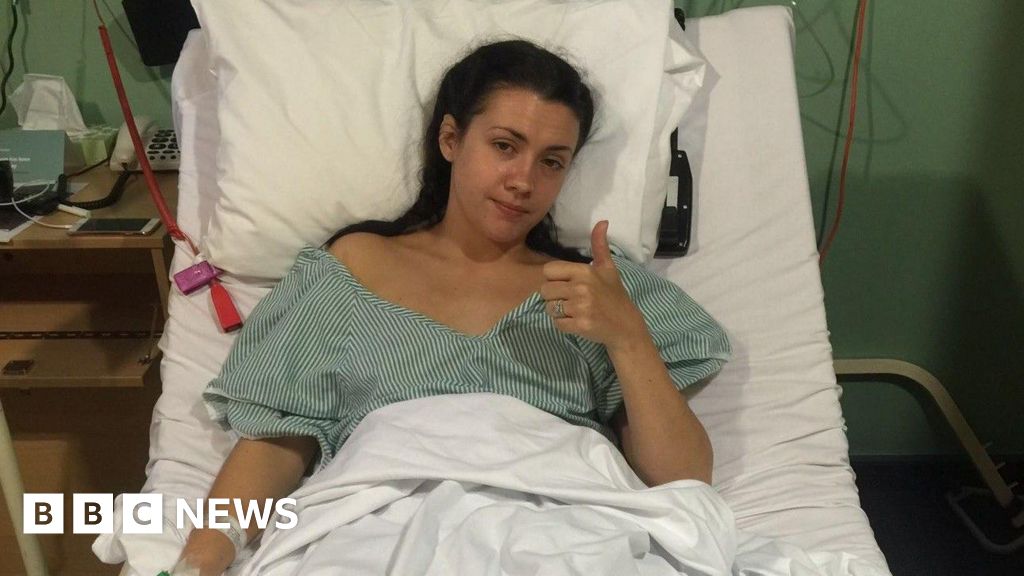
Sofii says her experience in a mother and baby unit following her diagnosis of OCD and postpartum psychosis tendencies has made the bond with her daughter even stronger
When Sofii Lewis packed a bag for a mother and baby mental health unit, she thought she would be home within a fortnight.
Instead, the 27-year-old spent five months there - time she said saved her and her daughter's lives.
Diagnosed with OCD and postpartum psychosis tendencies after giving birth, Sofii said she had "no idea" how unwell she was.
"I knew I wasn't safe. But I didn't think I was out of control."
Postpartum psychosis is a rare but severe mental illness that begins suddenly in the days or week after birth, affecting around one in 1,000 mothers. It is treatable but can escalate quickly.
Experts say specialist support for postpartum psychosis is now available across Wales.
After a difficult pregnancy and birth, Sofii, from Aberdare, Rhondda Cynon Taf, said she knew instantly something was not quite right when she was handed her newborn daughter.
"There was nothing. I had no interest, even though I had just given birth to my first child."
In the days and weeks after, she struggled to sleep and was plagued by a beeping noise in her bedroom at night, that was neither her phone nor the baby monitor.
"I thought it must have been someone trying to buy Evie as my brain had connected that the beeping noise sounded like a till or a checkout.
"It makes no sense to me now but that felt so real at the time," she said.
Sofii said she found herself getting angry every time Evie cried, so she visited a counsellor and explained her feelings.
The counsellor told her she might benefit from a mother and baby unit.
"I didn't know they existed," Sofii said.
According to the NHS, symptoms of postpartum psychosis vary and can change rapidly, including mania, depression, confusion and hallucinations - and can happen to any woman.
It can last several weeks or longer and is much less common than postnatal depression and anxiety.
 Sofii Lewis
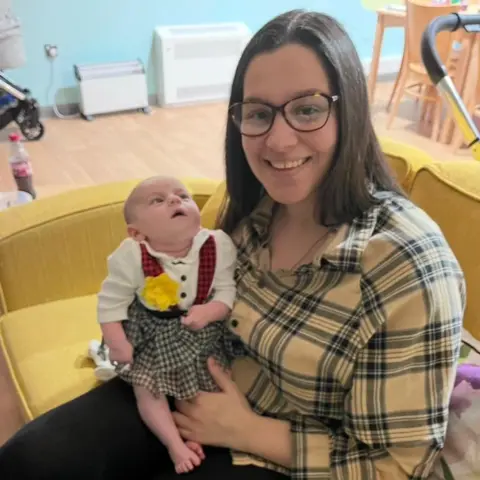
Sofii Lewis thought she would in the mother and baby mental health unit for two weeks, instead she ended up spending five months there
Sofii said she was fearful about being separated from her partner and thought it would be like a "prison", initially feeling "hysterical".
However, she said the unit was much more like halls of residence, living with other women with shared experiences, alongside medication, therapy and staff helping her bond with her baby.
"She [Evie] was 16 weeks and that's the first time I'd done skin-to-skin [contact] with her, and that was a really big moment for me."

Sofii wants to share her experience and help other women who may be struggling, encouraging them to ask for help if they need it
Sofii said leaving the intense support of the ward after a long stay was hard but three years on she now wants to help other mums by raising awareness and encouraging others to ask for help if they need it.
"They aren't alone in this and when you are in it, it does feel like the most isolating thing in the world.
"You think 'I'll never get back to [being] a normal mum', but you will," she said.
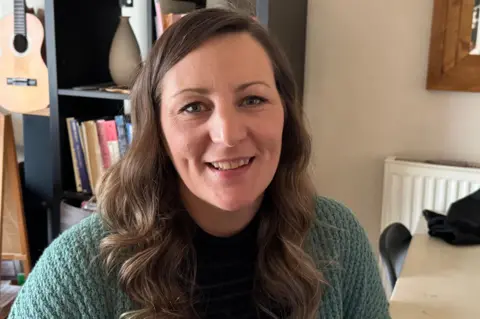
Dr Sally Wilson says support services have improved since her own experience of postpartum psychosis 11 years ago
Dr Sally Wilson works at Action on Postpartum Psychosis, a charity she said saved her life 11 years ago almost immediately after the birth of her daughter.
"In my mind I had died. I was living in an afterlife and being punished for something that happened to my daughter," she said.
"At that point I was diagnosed with postpartum psychosis.
"I was completely detached from reality. It was really scary and I was admitted to a general psychiatric ward and separated from my baby at the time."
Wilson said it took her "a long time to recover" although specialist care had improved since her experience.
"We now have perinatal specialist teams in all the health boards in Wales," she added.
"We have a mother and baby unit in Swansea and there is a unit that's just opened in Chester, which is a collaboration between NHS England and NHS Wales."
Wilson said there was still "plenty of work to be done" to raise awareness of the condition with expectant parents, the public, as well as healthcare professionals.
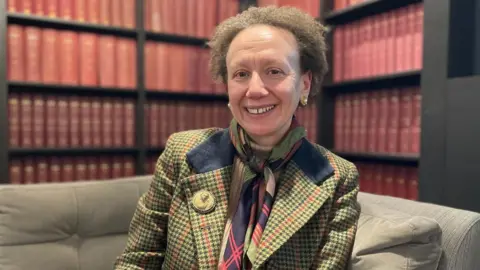
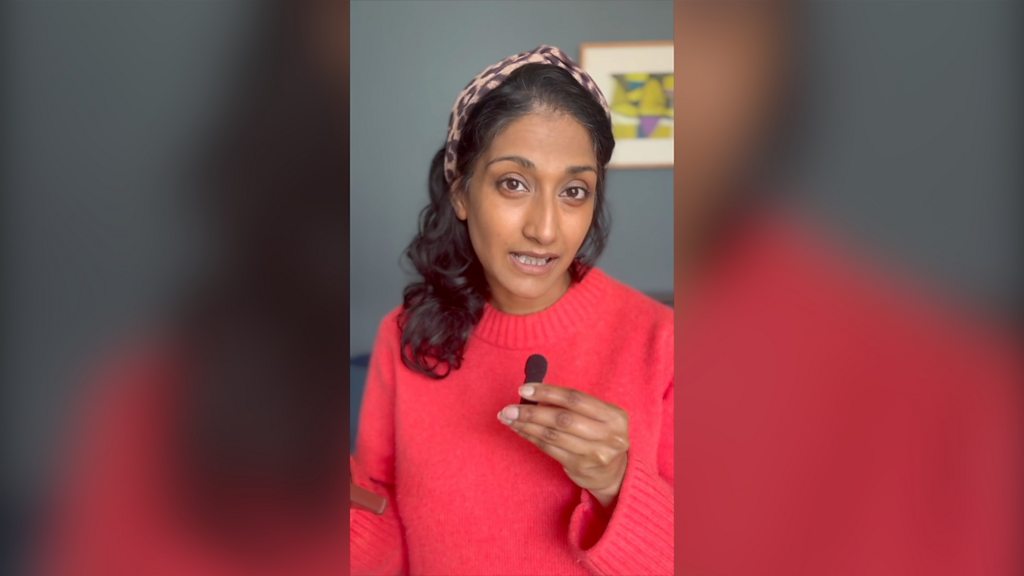
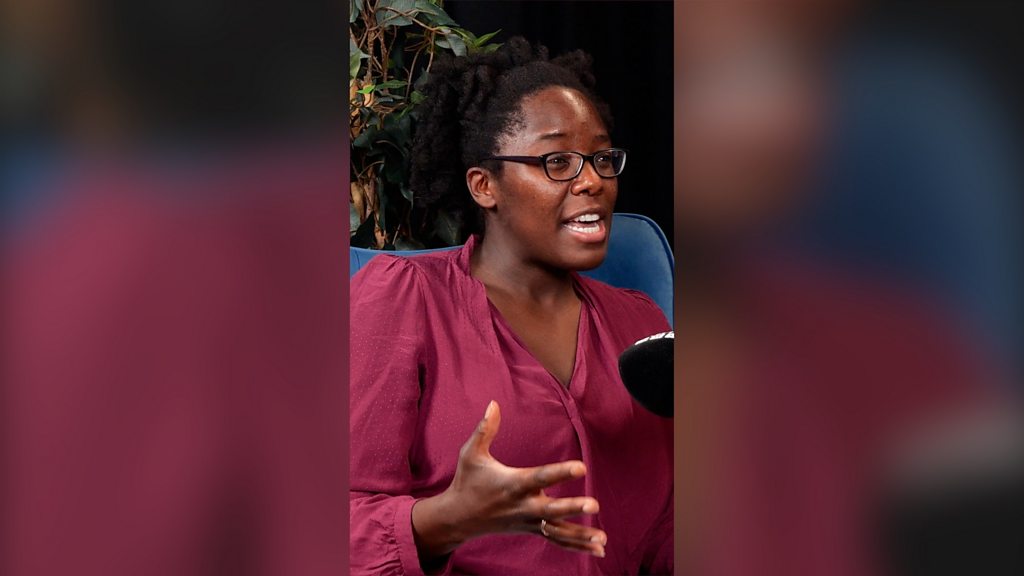
Prof Arianna Di Florio says it can be particularly difficult for new mothers to ask for help because of the pressure to appear perfect
Prof Arianna Di Florio from Cardiff University said it was important to raise awareness of the condition without creating anxiety or worry for women.
"While it is very rare, it's also very treatable," she said.
"It's really terrifying but there are treatments that work very well and most women recover with some never getting ill again.
"The prognosis is very good."
Di Florio said that lots of things like outreach were being done well, but it remained a difficult condition to detect, especially when there is no history of mental illness.
"I know it's easy for me to say but I think it's a very important message to say that nobody chooses to get postpartum psychosis, it can happen to anyone."
If you've been affected by the issues in this story, help and support is available via BBC Action Line.











Comments