
 German (DE)
  English (US)
  Spanish (ES)
  French (FR)
  Hindi (IN)
  Italian (IT)
  Russian (RU)
  3 weeks ago
Joanne WrittleWest Midlands health correspondent

 Family
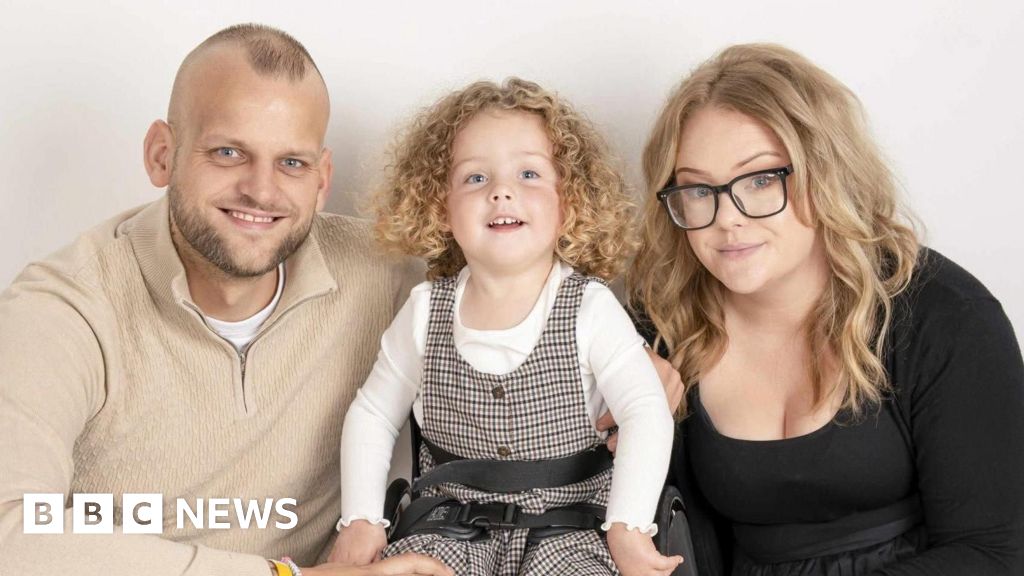
Tilly's parents want a few hours respite care at home
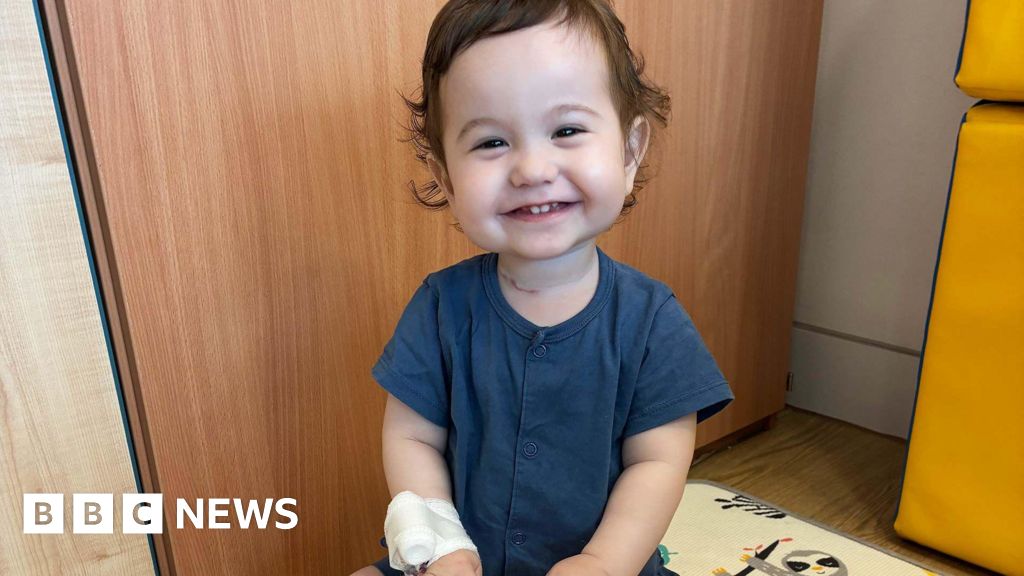
The parents of a two-year-old girl with a life-limiting illness have told of their "exhaustion" after being refused a request for respite help.
Tilly has Dravet Syndrome, a rare genetic epilepsy which causes seizures that could kill her. Their request to Birmingham Children's Trust for respite was refused with the trust suggesting training grandparents to help, even though the family had told them that was not possible.
Her father, Dan, said his family had asked for a few hours of respite per week as Tilly needs 24-hour monitoring and had "cried and begged for help".
The trust says it is now reviewing the multi-agency decision.
Dan told the BBC the monitoring and caring for a severely disabled child meant neither he or his partner got much sleep, were exhausted and also had two other children to care for.
"It is really, really hard," he said.
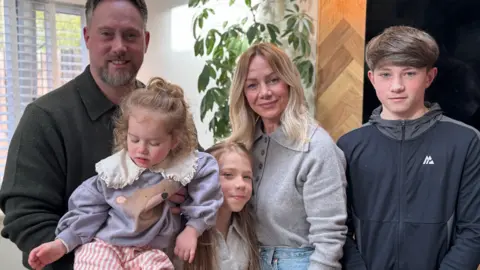
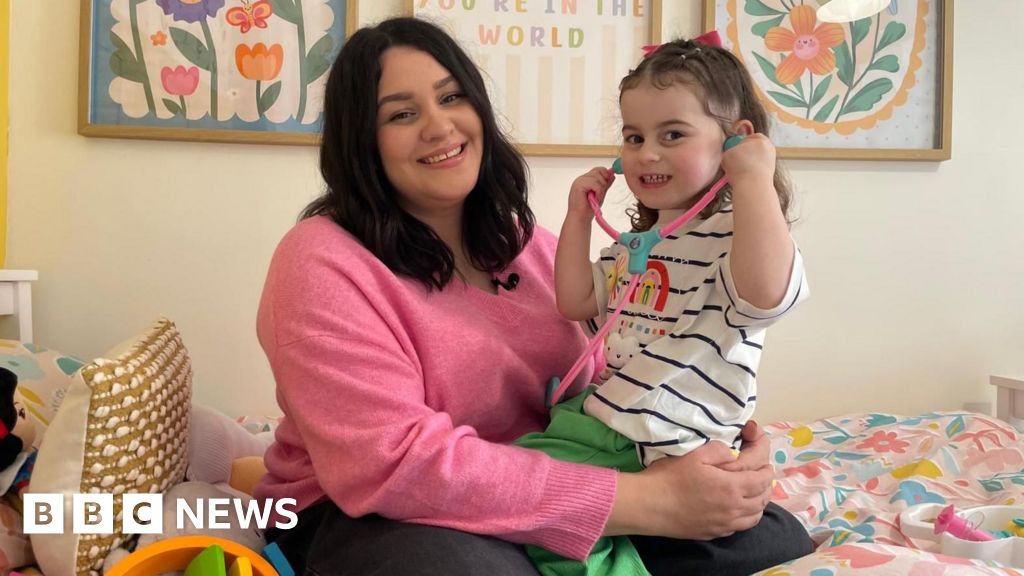
Tilly with her father, Dan, mother, Jenny and siblings Tabitha, aged eight and 12-year-old Toby
He said the family had "cried and begged for help" in meetings at home.
"Does our family unit have to break down? Does it have to get to a point where we can no longer sustain this and then they'll step in and give you support? Because right now that's where we're at," said Dan.
"We don't have any alternatives. If grandparents were an option, we'd already be doing it."
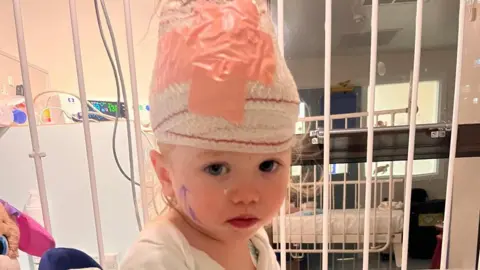
Tilly was part of a gene therapy clinical trial at Sheffield Children's Hospital in 2024 to try to help reduce seizures connected to her condition.
Her parents believe it has helped reduce the severity of frequent seizures which led to many ambulance trips to A&E.
But she still has them, as well as autism and learning difficulties.
Her mother Jenny said: "I'd say in Tilly's life at least about 10 times I've honestly thought that she's gone, she's died, with the seizures and going on to ITU and them all saying that we can't stop it and the panic."
The family praised A&E staff at Birmingham Children's Hospital for saving Tilly's life numerous times.
 Family
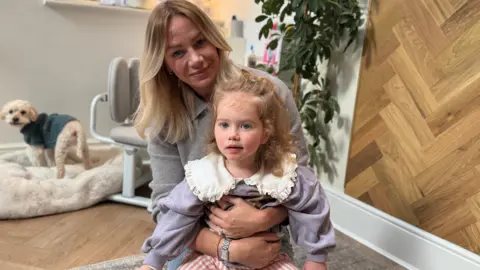
Tilly's mother, Jenny said her family felt like they had been left without support
Birmingham Children's Trust is the body responsible for providing social care and support services for children, young people, and families in Birmingham.
A letter from the trust, shared by the family, said its panel had considered Tilly's needs but did not believe there were any unmet needs and that a child of Tilly's age needed to be with her primary care givers to ensure good attachment.
"Panel recommend grandparents are brought fully on board with training around this to support the family as a whole to manage this," it said.
The trust had known grandparents were unable to help as they had told staff during assessments, Dan said.
"So two of our grandparents are unfortunately no longer present, one works full time and the other one has her own health concerns," he added.
A spokesperson for Birmingham Children's Trust said following a request from the family it was reviewing the decision made about support for Tilly.
Meanwhile, Birmingham Community Healthcare NHS Foundation Trust said: "We continue to provide a package of support for Tilly, including occupational therapy, physiotherapy and speech and language therapy, and remain in regular communication with her parents about her care."
 Family
Tilly had gene therapy in hospital when she was one











Comments