
 German (DE)
  English (US)
  Spanish (ES)
  French (FR)
  Hindi (IN)
  Italian (IT)
  Russian (RU)
  1 hour ago
For once, Democrats and Donald Trump might be in agreement: “Pretend I’m on the ticket,” the historically unpopular president has instructed supporters. Midterms are in large part a referendum on the incumbent, and Trump’s war on Iran and its impact on the cost of living have boosted support for Democrats. With less than a month to go, they have reason to be upbeat. The party has a mountain to climb after the devastating defeats of 2024, and the gerrymandering of Republicans, but surveys give it a lead of about nine points on the generic ballot, which measures preference for parties rather than specific candidates.
Attention has turned from the prospects of seizing the House, where Democrats are forecast a clear majority, to what once seemed like the highly optimistic possibility of taking the Senate too. That would require flipping four seats, with 35 in play. Remarkably, Democrats are prospering in red states from Texas to Alaska. In Kansas – which Mr Trump carried by 16 points, and which has not elected a Democratic senator since 1932 – the race is neck and neck.
Even putting aside the ongoing questions about polling accuracy, there are very good reasons for caution. The first and most glaring is that the Democrats remain unpopular. Voters are being turned off the Republicans rather than drawn towards their rivals; pundits talk of a red undertow rather than a blue wave.
Second, the picture is extremely patchy. Democrats’ striking progress in key races where few had favoured them is tied to standout candidates and especially unpopular opponents – notably in Texas, where the Christian pastor and economic populist James Talarico is leading Ken Paxton, viewed unfavourably by a third of his own party’s supporters. Yet Democrats are struggling in some places where they initially had good reason for optimism, such as Maine. Third, the huge Republican spending advantage is now materialising – with $700m of advertising booked since the start of September.

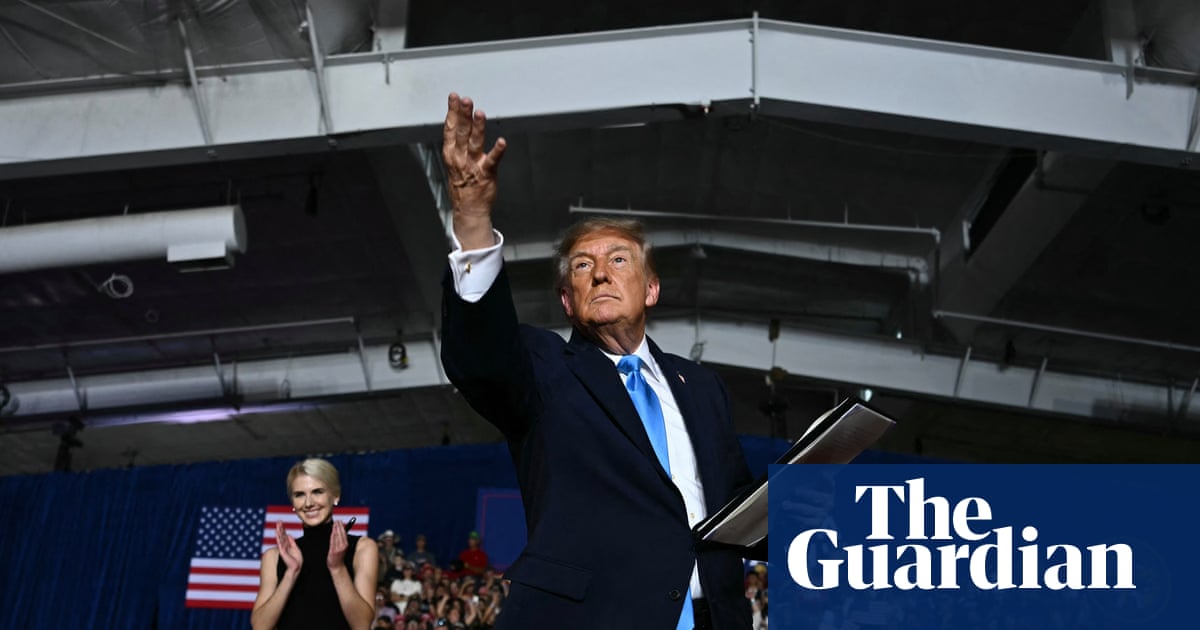
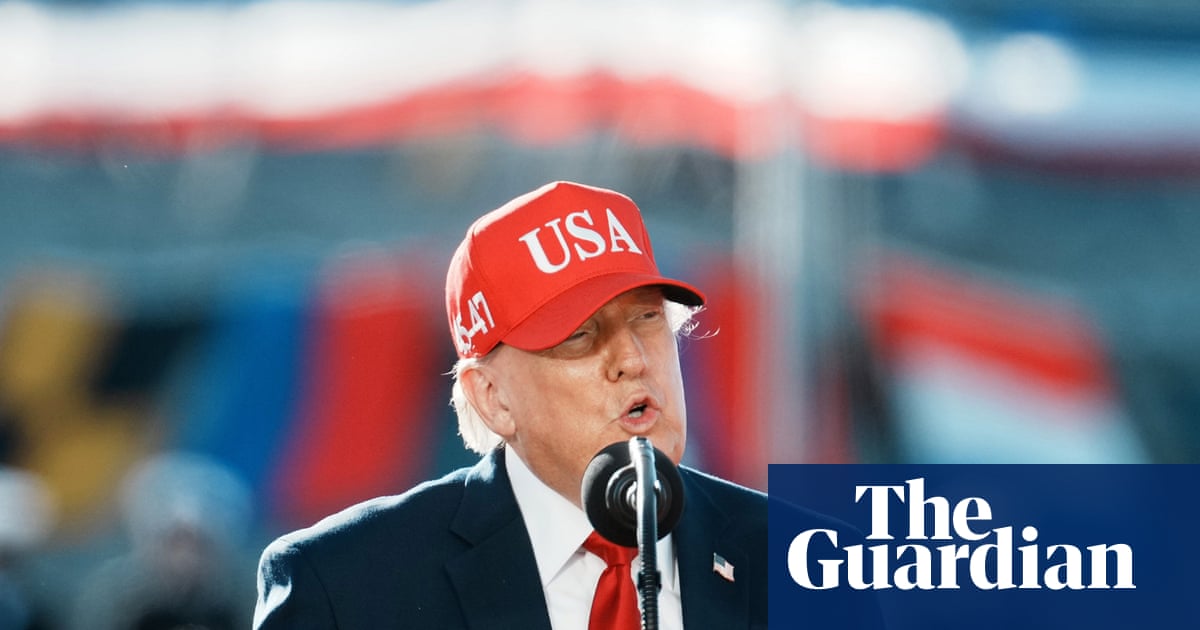
Mr Trump, who has fared better than his party in elections, is hitting the campaign trail. He may make sure his base turns out. But candidates – including those who benefited from his endorsement – are increasingly distancing themselves from the president because he alienates others. He is visibly more energised by his construction projects than how his voters can pay their bills. His war on Iran looks not only reckless and ineffectual, but is pushing up prices. Strikingly, voters are now more likely to identify Republicans than Democrats as “elitist”. Latino voters who swung to him are changing their minds, with Immigration and Customs Enforcement excesses contributing.
Outrageously, Mr Trump has used taxpayer-funded adverts to laud his presidency. It goes without saying that he cannot be expected to respect the midterm results. The supreme court rejected his efforts to restrict mail-in voting – used by almost a third of the electorate – but he continues to smear it.
Just as he disrupts the electoral process, in office he rejects the norms and restraints that his predecessors recognised, and relies more and more on executive orders – seeking to avoid checks on issues ranging from war to vaccines. But should Democrats manage to take both House and Senate, they would regain both legislative control and investigative powers. In these elections, most votes will be driven by economic stress rather than democratic peril. But their outcome will be critical to the defence of American democracy – or its continued erosion.













Comments