
 German (DE)
 English (US)
 Spanish (ES)
 French (FR)
 Hindi (IN)
 Italian (IT)
 Russian (RU)
 50 minutes ago
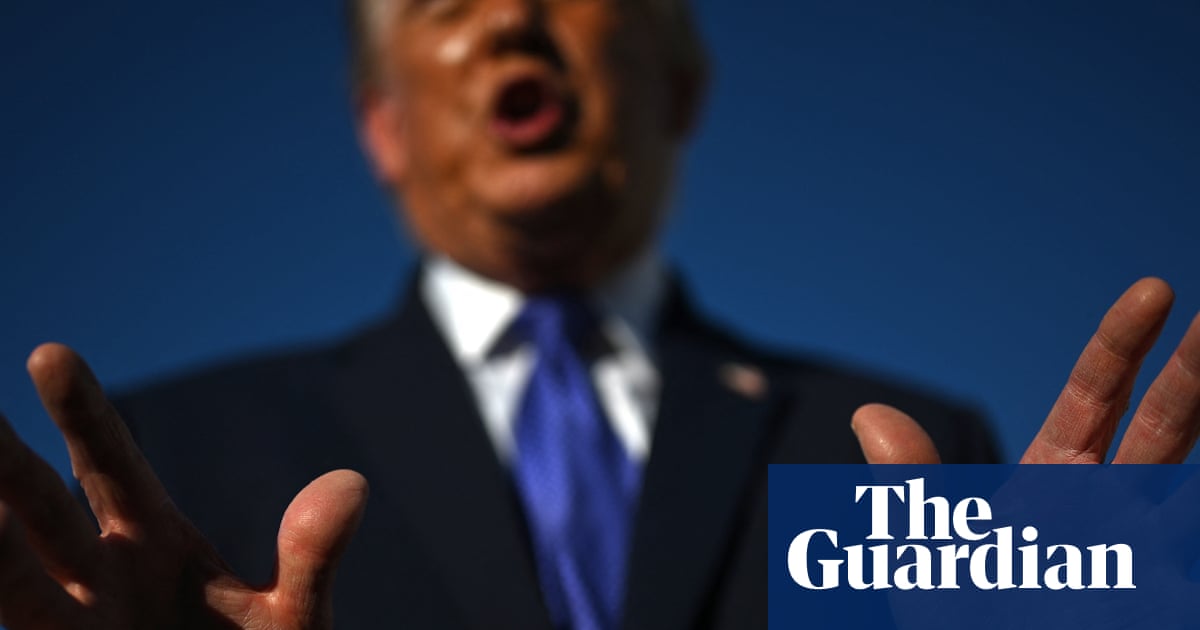
Donald Trump just gave the middle finger to millions of American voters.
Any other president who suffered the kind of drubbing at the polls that Trump did this week might have felt at least a sliver of humility – and perhaps even an obligation to work with the new opposition in Congress.
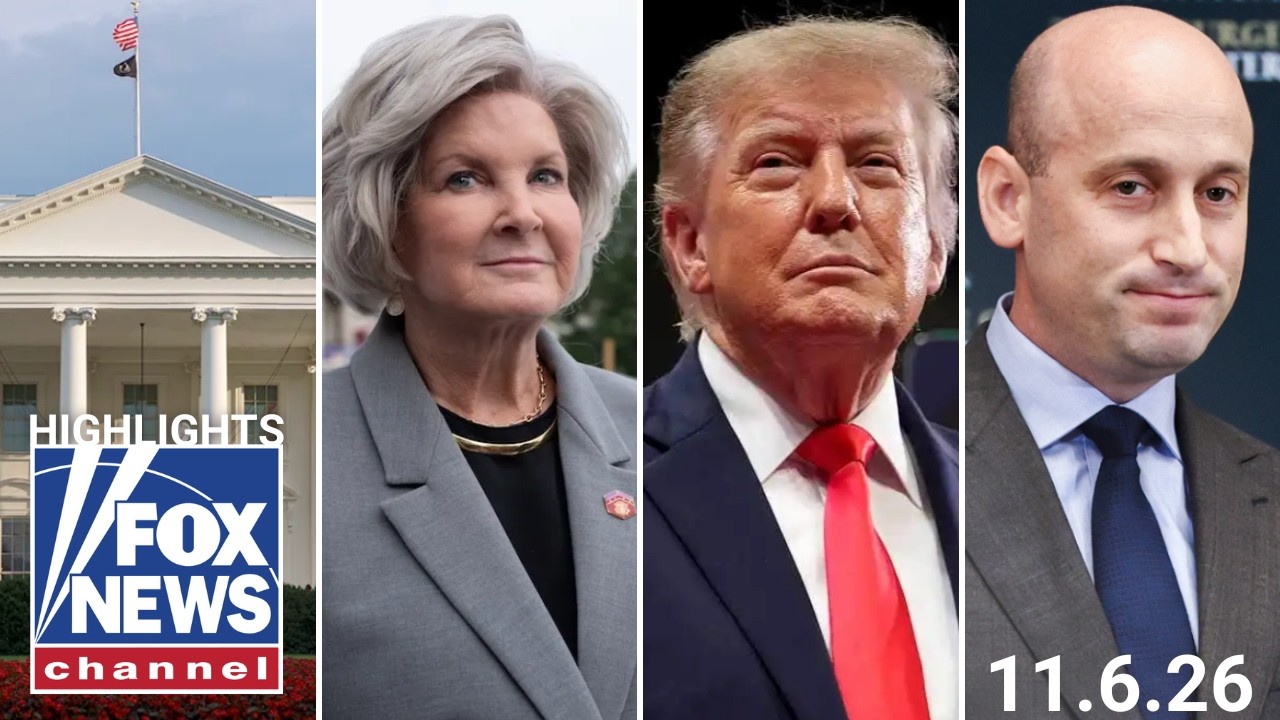
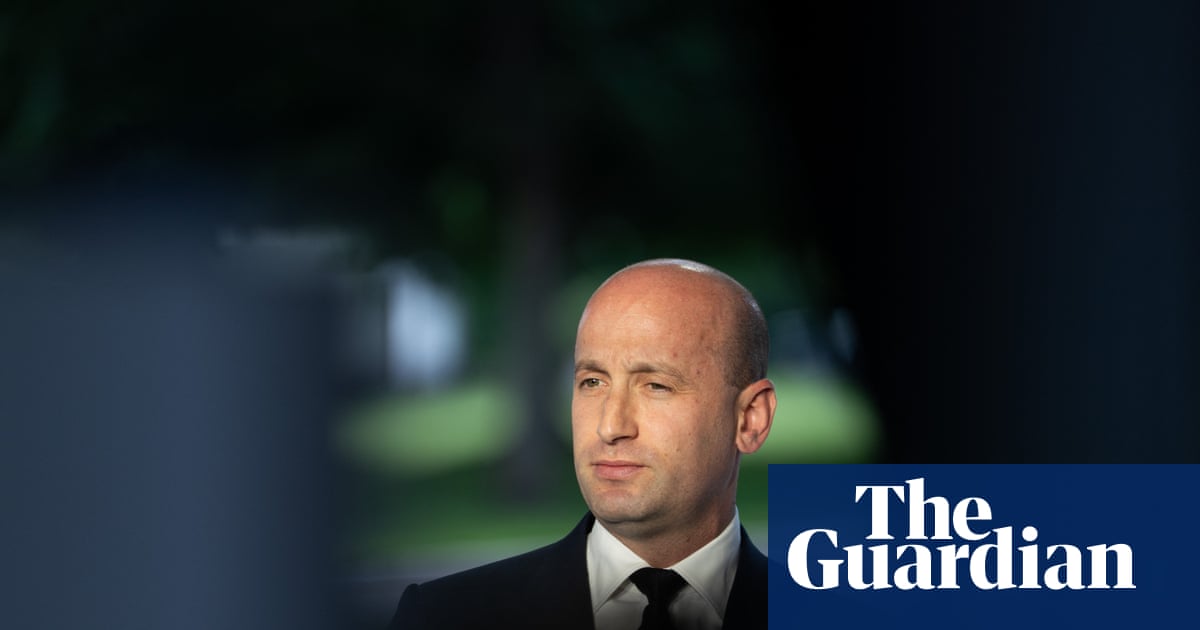
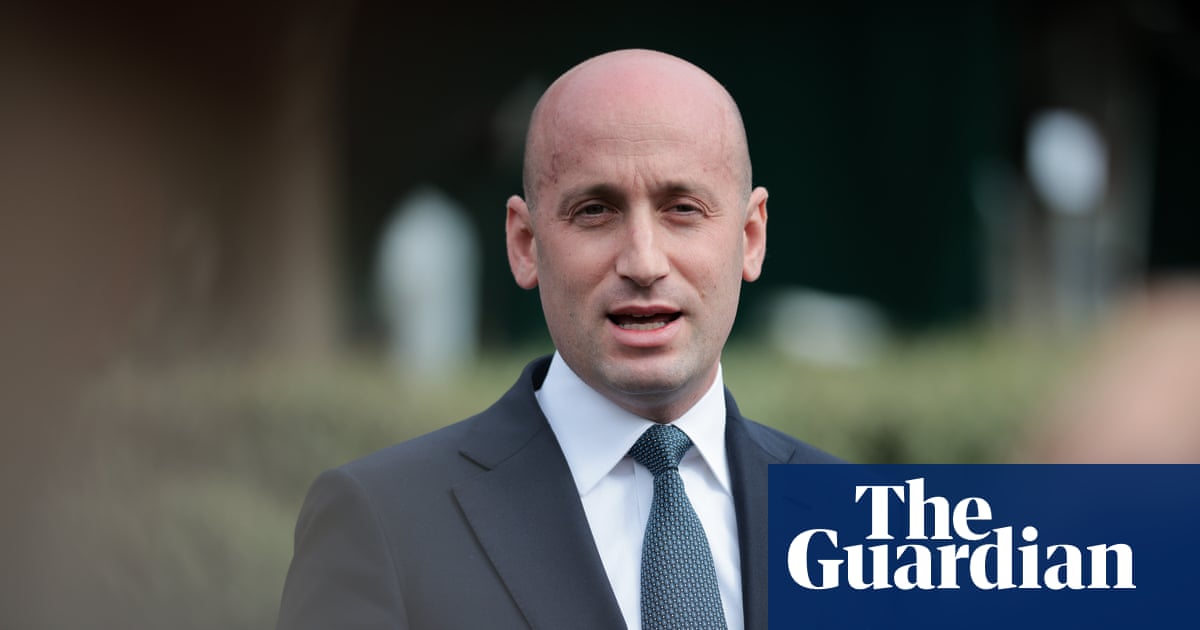
But not for the first time in his political career, Trump veered in the opposite direction. On Friday he made Stephen Miller, condemned by Democrats and civil rights groups as a white nationalist, one of the most powerful unelected officials in Washington by naming him White House chief of staff.
Miller is the architect of Trump’s far-right, nativist immigration agenda. He is, therefore, arguably the architect of the blue wave that engulfed Republicans in Tuesday’s midterm elections as voters – including many Latinos – expressed their disgust. Yet instead of firing Miller, Trump promoted him.
It was a declaration of war. Miller, 41, is a longtime proponent of the presidential authority that Trump has spent the past two years expanding at the expense of Congress. In 2017 he declared: “The powers of the president to protect our country are very substantial and will not be questioned.”
Now Republicans’ catastrophic defeat is likely to leave Trump more reliant on unilateral executive action than ever to advance his domestic agenda.
“In a lot of ways Stephen Miller has been the id to Trump’s authoritarian impulses and machinations,” Kurt Bardella, an adviser to Democrats in Texas, said. “I have to imagine that anointing this person chief of staff – the most powerful non-elected position in all of government – is a signal that they intend to double down on that authoritarianism.
“You’re going to see a lot of executive orders, unilateral action and stress testing of the checks and balances system continue for the final two years of his presidency.”
Trump’s second term has presented a concerted effort to dismantle those checks and balances that have traditionally constrained the occupant of the White House. He has signed 292 executive orders in less than two years, more than in his entire first term and a record pace for a modern presidency.
He has bypassed Congress on military action and tariffs, withheld congressionally approved spending, deployed the National Guard against the will of state authorities, politicised the justice department, punished critics and challenged judicial independence. Congress, dominated by Republicans reluctant to confront him, offered little resistance.
But this week’s landslide, the biggest in a midterm election since Watergate, puts Democrats back in charge of the House of Representatives and Senate. That the elections were free and fair, and that Trump did not dispute the result, was itself a victory for democracy.
Democrats will now seek to rein in the president and block his legislative agenda, bringing them into direct conflict with Miller, who was already a hugely powerful deputy chief of staff at the White House and now takes over from Susie Wiles.
Miller has been a champion of the Iran war and prominent voice on many of the president’s other priorities, including countering diversity initiatives and targeting transgender rights. He is reportedly one of a small group of White House staffers who approve all executive orders.
He is best known for driving the immigration crackdown in Trump’s second term, setting a target of 3,000 arrests per day – far above levels under previous administrations. He has pushed Immigration and Customs Enforcement (ICE) to target anybody in the country illegally, not just those with criminal records.
There are limits on what Democrats can do to stop the immigration drive since the One Big Beautiful Bill Act included major increases for Immigration and Customs Enforcement (ICE) that will keep it funded for the rest of Trump’s term.
Even so, they will now chair House committees with the ability to launch investigations, issue subpoenas and hold high profile hearings. Along with ICE, they might scrutinise Jeffrey Epstein files and the department of government efficiency (Doge). They have also vowed to look at how Trump and his family have become wealthier since he returned to office.
The appointment of the pugnacious Miller as Trump’s consigliere suggests that the White House is moving to a war footing. He is likely to marshal a team of lawyers and attack Democrats by accusing them of weaponising the deep state against the president. As a frequent guest on the conservative Fox News network, he will also wage war in the court of public opinion.
“Trump’s decision to elevate Stephen Miller means that he’s spoiling for a fight with Democrats and they’re going to just rely on executive action to try and push their agenda through,” said David Cohen, a political science professor at the University of Akron in Ohio, who studies the American presidency and White House staffing.
Cohen added: “It’s a White House that doesn’t seek out cooperation with Congress. It’s their way or the highway, essentially, and it’s possible Stephen Miller is relishing this because he’s a believer in the unitary presidency and executive presidential action and he views this as a way where he can expand the powers of the presidency.”
Trump is not the first president to seek to consolidate authority. Arthur Schlesinger Jr’s 1973 book The Imperial Presidency warned that an accumulation of presidential power threatened the constitutional separation of powers.
In 1989 the American Enterprise Institute thinktank published The Fettered Presidency, a counterpoint arguing that legal and congressional constraints had unduly weakened the executive. It helped inspire a modern conservative drive to expand presidential authority, which accelerated under George W Bush and was subsequently exploited by Barack Obama as congressional gridlock made legislating increasingly difficult.
The combination of Trump and Miller, however, takes the concept of an American Caesar to a new extreme – and flies in the face of the verdict delivered by the electorate on Tuesday.
“It’s a step that I find hard to fathom except as the president giving the middle finger to the American public,” said Bill Galston, a senior fellow in governance studies at the Brookings Institution thinktank in Washington.
“In the same way that he ransacked the state of Texas for the very worst senatorial nominee imaginable, now he’s done the same thing with the chief of staff position. This is simply outrageous.”


















Comments