
 German (DE)
  English (US)
  Spanish (ES)
  French (FR)
  Hindi (IN)
  Italian (IT)
  Russian (RU)
  3 weeks ago

 Getty Images
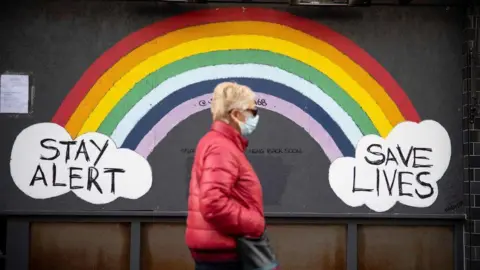
The Covid inquiry will publish its third report looking at how healthcare systems were affected by the pandemic on Thursday.
Its first two reports were extremely critical of the government's preparations and political decision-making across the UK, describing the response as "too little, too late".
Just under 227,000 people died in the UK from Covid between March 2020 and May 2023, when the World Health Organization said the "global health emergency" was over.
What is the Covid public inquiry?
The announcement came after the Covid-19 Bereaved Families for Justice campaign group said it was considering a judicial review over "time-wasting".
The inquiry covers decision-making by the UK government, as well as the administrations in Scotland, Wales and Northern Ireland. The first public hearings took place in June 2023.
 Pirahna Photography
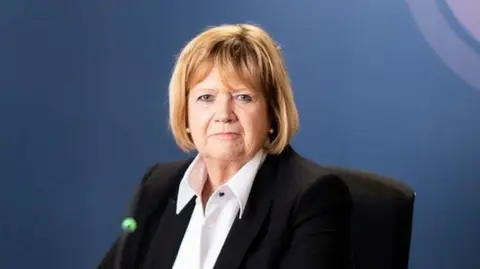
Chair Baroness Hallett said "loss and suffering" would be at the centre of the inquiry's work
Public inquiries are established and funded by the government and are led by an independent chair. They can compel witnesses to give evidence.
No one is found guilty or innocent, but an inquiry publishes conclusions and recommendations. The government is not obliged to accept these.
The Covid inquiry's chair is former judge and crossbench peer Baroness Hallett, who previously led the inquests into the 7 July London bombings.
That is on top of the £192m spent by the inquiry itself - meaning the cost to the taxpayer is over 50% more than previously thought.

What did the inquiry's second report into political decisions during the pandemic say?
The inquiry's second report looked at political decision-making, and was published in November 2025.
A week-long delay led to 23,000 more deaths in England in the first wave than would have been seen otherwise, the report said.
It also described a "toxic and chaotic" culture at the heart of the UK government during its response to the pandemic, which it said affected the quality of advice and decision-making.
More than 7,000 documents from the time have been made public, including WhatsApp chats and emails, private diaries and confidential files.
What did the inquiry's first report into preparedness say?
The first report, into resilience and preparedness, was published in July 2024.
"Never again can a disease be allowed to lead to so many deaths and so much suffering," she added.
It said the UK government and devolved nations "failed their citizens", and that ministers did not sufficiently challenge scientific experts.
It made recommendations for reforming the way the government approaches emergency planning.
What else is the inquiry investigating and when will it publish its other reports?
Although there will be no further public hearings, the inquiry is still investigating other aspects of the pandemic:
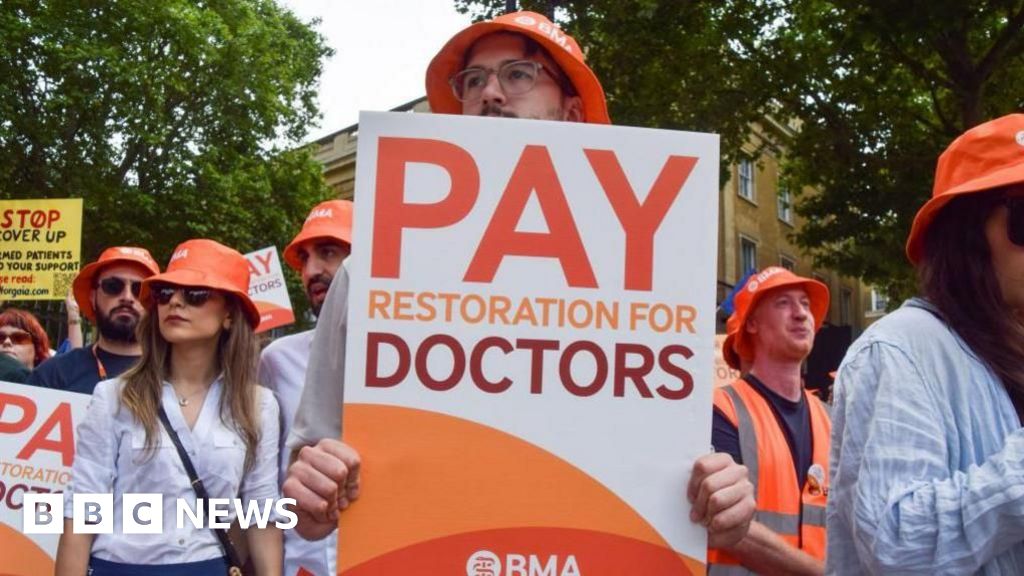
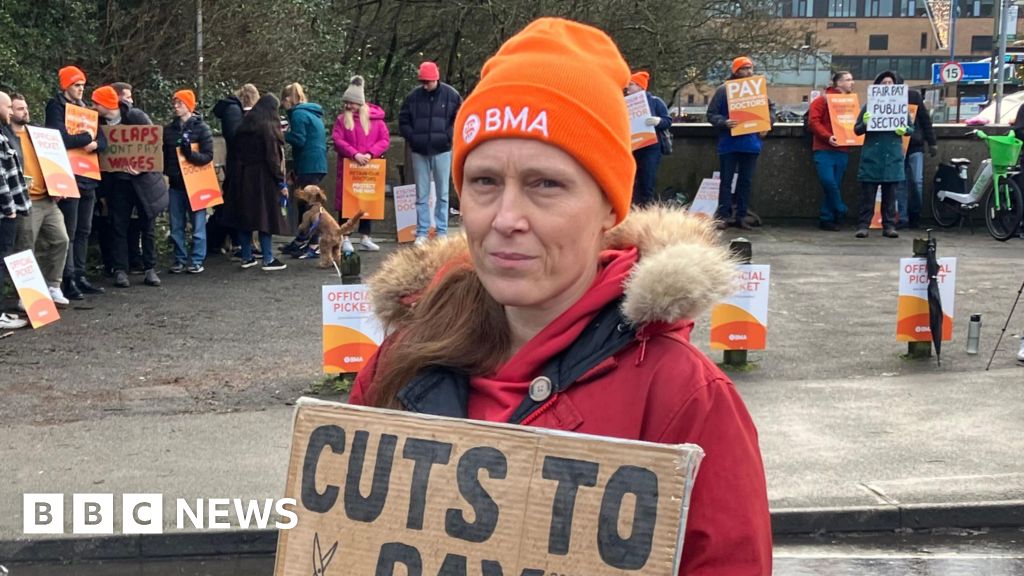
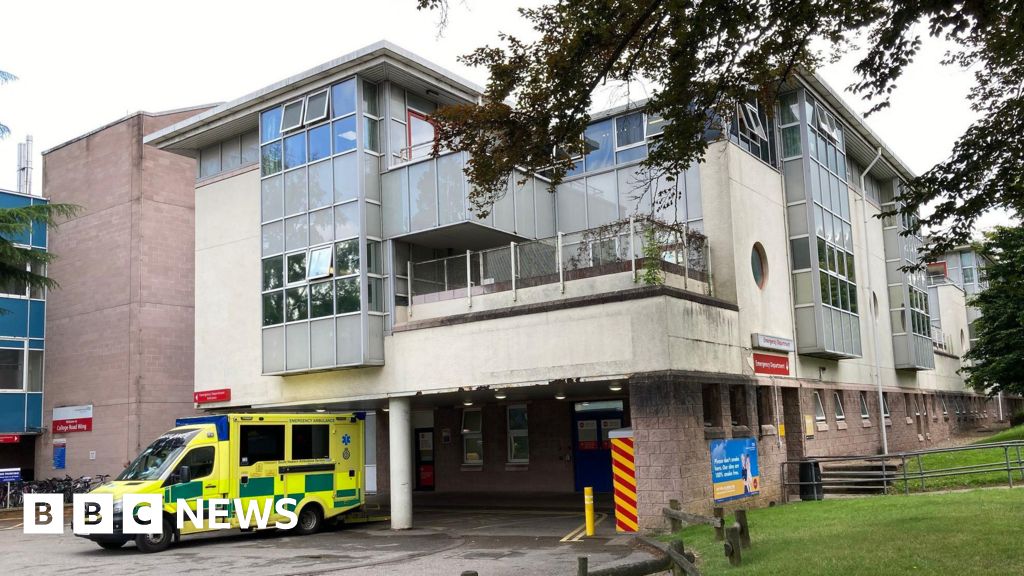
- the impact on healthcare systems across the UK
- vaccines, therapeutics and anti-viral treatment
- government procurement and PPE
- the care sector
- test-and-trace
- the impact on children and young people
- the impact on society
The inquiry will publish its fourth report on vaccines on 16 April 2026.
The report into procurement is expected in summer 2026, with reports on the care sector and test-and-trace due towards the end of the year.
The remaining three reports will be published in the first half of 2027.
Who has given evidence to the inquiry?
The inquiry's final public hearings took place in March 2026, after taking evidence from hundreds of witnesses. They include current and former politicians, civil servants, government advisers, public health experts and representatives of bereaved families.
Many were extremely critical of Johnson, who was prime minister throughout the pandemic.
He began his first evidence session in December 2023 by apologising for the "pain and the loss and the suffering" during the pandemic.
Barnard Castle, ICU and heckling: Johnson grilled at Covid inquiry
Johnson admitted mistakes were made and that "there were unquestionably things we should have done differently", but insisted that ministers had done their "level best" in difficult circumstances.
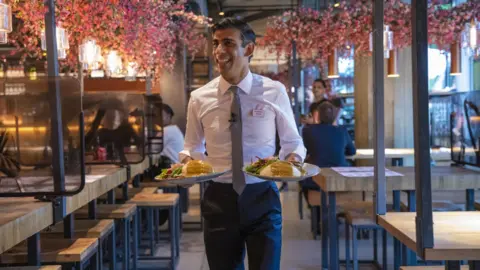
In his first appearance before the inquiry, former Chancellor Rishi Sunak apologised to "all those who suffered... as a result of the actions that were taken".
But he denied his Eat Out to Help Out scheme had increased infections and deaths.
 HM Treasury
The government's chief medical officer, Prof Sir Chris Whitty, and former chief scientific adviser Sir Patrick Vallance, previously told the inquiry that they had not been consulted about the policy.
Sir Patrick, Sir Chris and his former deputy Prof Sir Jonathan Van-Tam also said they had received substantial abuse from the public while carrying out their roles.
 Getty Images
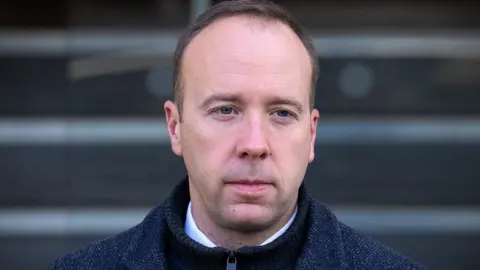
Several witnesses accused Matt Hancock of lying during his tenure as Health Secretary, which he denied
Former Health Secretary Matt Hancock has given evidence several times.
He told the inquiry that the UK's pandemic strategy had been completely wrong, while admitting the UK should have locked down much sooner.
Hancock also criticised the "toxic culture" in government, for which he blamed Johnson's former adviser Dominic Cummings.
In his evidence to the inquiry, Mr Cummings described a "dysfunctional" government and was very critical of Johnson's approach.
The hearing also discussed scathing text messages he sent, many of which contained offensive descriptions of ministers and officials.
Mr Cummings said he regretted the handling of his infamous trip to Barnard Castle during the first lockdown, but denied that he had damaged public trust in the government.
The inquiry has also heard from Scottish, Welsh and Northern Irish political leaders, including:
- former Scottish First Ministers Nicola Sturgeon and Humza Yousaf
- former Welsh First Minister Mark Drakeford
- current Northern Irish First Minister Michelle O'Neill and former First Minister Baroness Foster
How can the public get involved in the Covid inquiry?
Groups representing bereaved families urged the inquiry to ensure that their voices were heard.






Comments