
 German (DE)
  English (US)
  Spanish (ES)
  French (FR)
  Hindi (IN)
  Italian (IT)
  Russian (RU)
  3 weeks ago
Eleanor LawsonWest Midlands

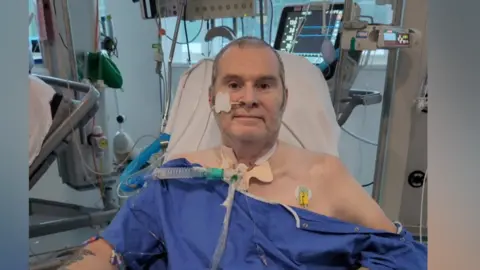 Matthew and Nicola Smith
Matthew Smith had to wait almost a year for a double lung transplant
For almost a year, Matthew Smith woke up every day wondering if he would receive the phonecall that would save his life.
Diagnosed with a terminal lung condition in 2023, he spent many nerve-wracking months on the waiting list for an urgent double lung transplant.
"From when you first wake up, you think, is today going to be the day we get that call?" he said.
For him and wife Nicola, from Wednesbury, every day was a waiting game.
"I would wake up through the night just to double check my phone that I haven't slept through a phone call," his wife added.
The call did eventually come after 10 long months. But there are more than 8,000 people - more than ever before - currently waiting for an organ donation in the UK.
While demand is at an all-time high, the donor consent rate has stagnated.
Increasingly, families are refusing to allow their loved ones' organs to help save other people's lives after their death.
That has meant a longer wait for Smith and the 500 others in the West Midlands who desperately need a vital operation.
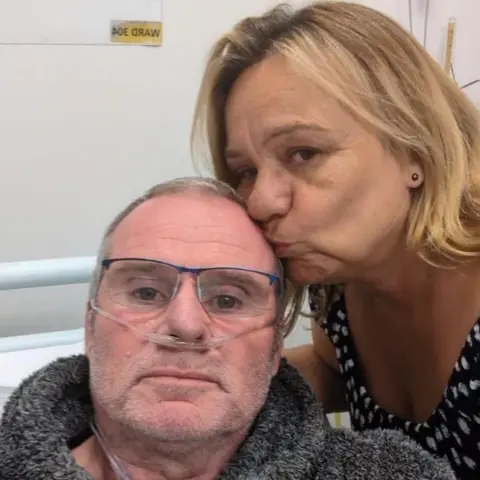 Matthew and Nicola Smith
Matthew Smith said his life revolved around being tethered to oxygen tanks
In 2020, an "opt-out" donation system was introduced in England in 2020, five years after being implemented in Wales.
The system presumes consent to donate organs for all adults unless they explictly remove themselves from the list, with Theresa May's government estimating in 2018 that it could save up to 700 lives each year.
However, family members can veto their loved one's wishes to donate their organs after their death, even if they had signed up to the organ donor register.
Reasons that families have given for blocking donations have included not knowing what the patient would have wanted, feeling the process took too long, not wanting any further surgery to the body or being against religious and cultural beliefs.
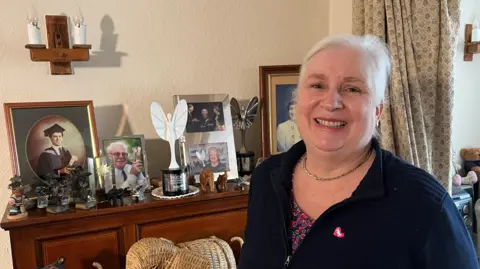
Christine Cox became an organ donation campaigner after her brother died
Christine Cox MBE, from Wolverhampton, has been a campaigner around organ donation for more than 35 years.
She started after her brother Peter died from a brain tumour in 1989 when he was just 24.
"Unfortunately no organ would save him but it was his final wish that his life should benefit others and indeed 17 people benefitted from him donating all of his organs when he died," she said.
"He did say it was our duty to ensure that as many organs as possible could benefit others."
However, she and her parents realised after his death that there was no list for people willing to donate - something they campaigned for relentlessly until its introduction in 1994.
Prior to the organ transplant list, donation relied entirely on people carrying organ donor cards.
"People didn't always carry the donor card on them in their pockets and handbags and the nurses and doctors didn't have time to look through. So there was a problem," Cox said.
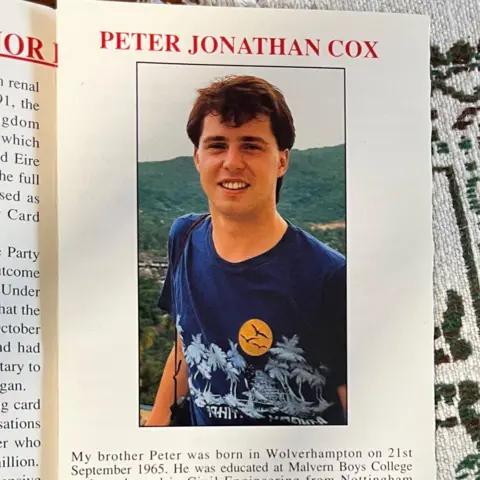
Peter died when he was 24, at a time before the organ donor register existed
Over the years Cox has been a fervent campaigner and won many awards.
But while she was delighted when the opt-out system was introduced, she didn't realise the "fatal flaw" of next of kin being able to rescind their loved one's wishes.
She thinks discussion is the way forward.
"I implore everybody not just to make their wishes known but to talk to their friends and their family and also find out what their friends and family want," she said.
"It possibly will never happen however everyone needs to know what your wishes are."
 Harpreet Matharu
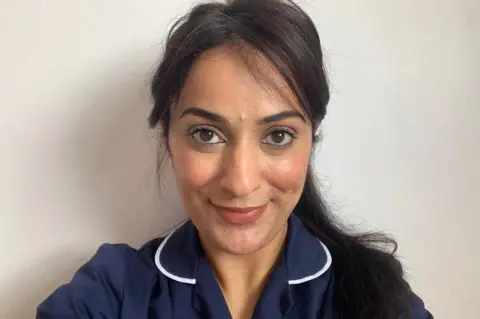
Harpreet Matharu said there was a higher donation consent rate for patients who had discussed their wishes with their loved ones
This tactic is echoed by the NHS, as seen in their recent Hope Takes Flight campaign, urging families to talk about organ donation before its too late.
"What we've always said is talk to your loved one, make a decision and sign on the register, because we know when a patient has opted in and had those conversations, consent is much higher in those circumstances," said Harpreet Matharu, an organ donation specialist nurse for the NHS.
For people who feel squeamish about the process, she said it was important to know the facts around donation, adding it often helped the grieving process for families.
"When you donate, you are looked after with the upmost respect in hospitals and all your religious and cultural needs are still catered for."
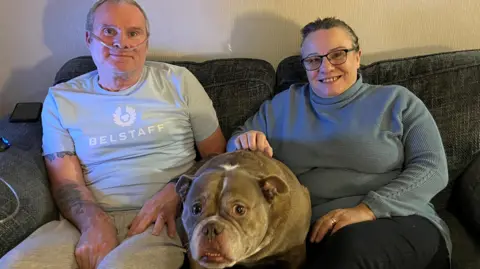
Matthew and Nicola Smith knew his only hope was an organ transplant
Nicola Smith said the day her husband underwent the transplant was a "very long day".
"I think I cried from when he went in until he came out. It's the start of a new beginning. It's a new life," she said.
"He can do so much more now, he can take part in things. It just feels like his life's just beginning again now."
They hope to renew their vows on their 30th wedding anniversary this year on the beach in Cornwall.
She urged people to think seriously about donating their organs and have a lasting impact on the world you leave behind.
"You're giving somebody the chance of a new future, to live a good, long life. To make memories."





Comments