
 German (DE)
  English (US)
  Spanish (ES)
  French (FR)
  Hindi (IN)
  Italian (IT)
  Russian (RU)
  3 weeks ago
Helen BriggsScience correspondent

 Getty
Getty
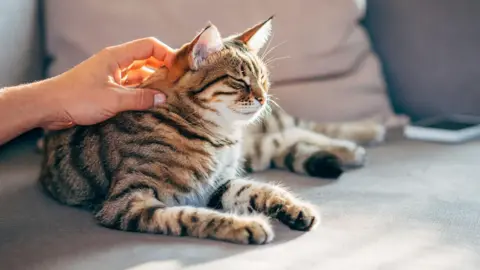
Over 10 million cats are kept as pets in the UK
The first detailed genetic map of cancer in pet cats reveals striking similarities with human versions of the disease, possibly helping find new ways to treat cancers in both.
Scientists analysed tumour DNA from almost 500 domestic cats, uncovering key genetic mutations linked with the condition.
Cancer is one of the main causes of illness and death in cats, however, very little is known about how it develops.
"Cat cancer genetics has totally been a black box up until now," said lead researcher, Dr Louise Van der Wayden. "The more we can understand about cancer in any species has got to be beneficial for everybody."
 Getty
Getty
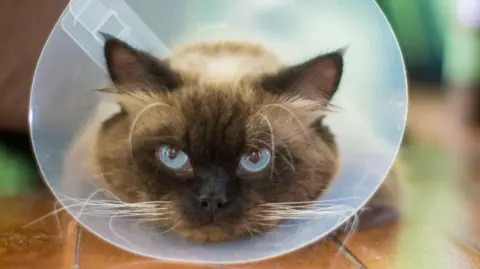
Understanding the genetic basis of cancer in cats can lead to better treatments
They found many of the genes driving cat cancers are mirrored in humans, suggesting the two species share key biological processes that allow tumours to grow and spread.
The scientists say the household cat could hold the key to understanding certain types of breast cancer, such as triple negative breast cancer. Around 15 out of 100 breast cancers are of this type.
Cats develop this subtype more often than humans, giving scientists access to samples, and offering clues to new medicines that might help in treatment.
 Getty Images
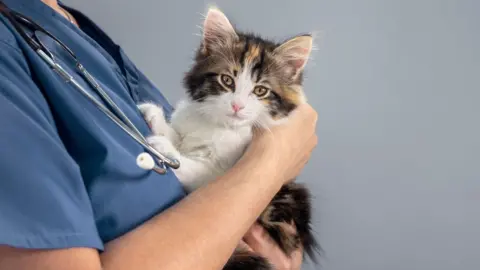
Cancer is one of the leading causes of illness in cats
Almost a quarter of UK households own at least one cat, making the animal almost as popular as dogs as a trusted companion.
But while cancer studies have been carried out extensively in dogs, cats have remained unexplored.
The scientists say both household pets could give clues to environmental factors involved in some types of cancer.
They share the same spaces as us, meaning that they are also exposed to the same environmental factors that we are.
"This can help us understand more about why cancer develops in cats and humans, how the world around us influences cancer risk, and possibly find new ways to prevent and treat it," said Prof Geoffrey Wood of the Ontario Veterinary College, Canada.
The research is published in the journal, Science.













Comments